





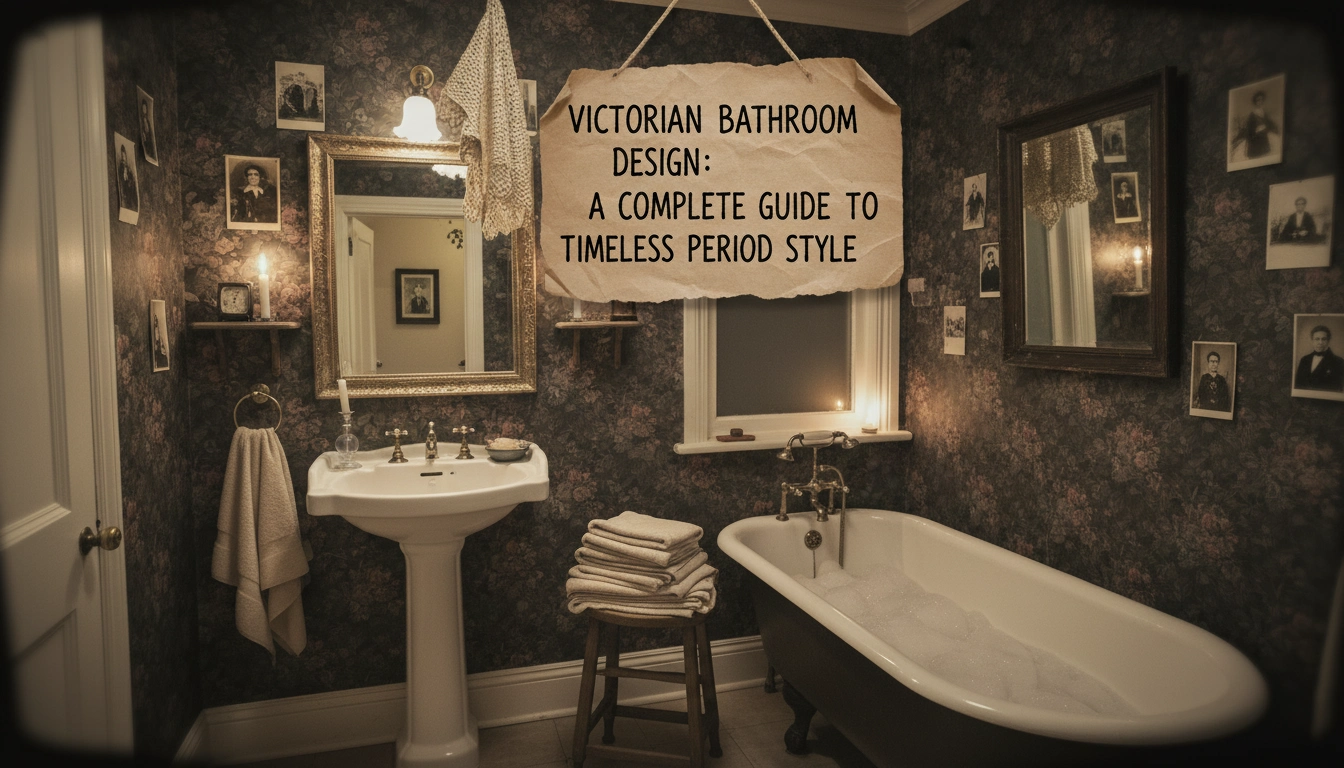

Look. Modern bathrooms are mostly garbage. They feel like plastic. I’m sitting in my car outside a job on Hamilton Ave in Sacramento right now—Samuel’s place—and we just pulled out a 90s renovation that was basically cardboard and hope. Victorian Bathroom Design is the opposite. It’s heavy. It’s real. It’s actually about having a soul in your house. Sorry if this is a bit of a rant, but I see so many people waste money on fast trends that look terrible in two years. You want a room that feels like it’s been there forever? That’s Victorian. It’s not just old stuff; it’s better stuff. I’m typing this fast between meetings but the point is, if your bathroom feels like a hospital hallway, you’re doing it wrong. You need grit and history. Anyway.
- Understanding the Basics of Victorian Bathroom Design
- The History and Evolution of Victorian Bathroom Style
- Key Elements of Victorian Bathroom Design
- Choosing the Perfect Clawfoot or Freestanding Bathtub
- Victorian Tile Patterns and Flooring Ideas
- Traditional Wall Treatments and Wood Paneling
- Authentic Victorian Bathroom Color Palettes
- Period-Correct Sinks and Pedestal Basins
- Victorian Brassware and Plumbing Fixtures
- Vintage Lighting and Chandelier Styles
- Incorporating Victorian Design in Modern Homes
- Victorian Decorating Ideas for Small Bathrooms
- Essential Victorian Bathroom Accessories and Mirrors
- Conclusion
Understanding the Basics of Victorian Bathroom Design
When we talk about Victorian Bathroom Design, we’re looking at a specific window from 1837 to 1901. It was a messy time. People were literally just figuring out how not to die from bad water. Actually, the whole room for a bath thing was a totally new concept back then. Before that, you just had a bowl in your bedroom. Gross.
As the industrial revolution kicked into high gear, the middle class started wanting what the rich had. This meant heavy cast iron tubs and toilets that actually worked. These rooms weren’t just for cleaning yourself; they were a statement. Look at me, I have indoor pipes.
The look is a weird, beautiful mix. You’ve got Gothic stuff—think pointy and dramatic—mixed with super clean, symmetrical lines. And it was all about hygiene. Because Victorians were terrified of germs, they used a lot of glazed ceramic and shiny metal. Easy to scrub. Very practical, despite how fancy it looks.
The Sanitary Shift
Actually, the shift toward white subway tiles in the late Victorian era was driven by a Victorian obsession with hygiene and the germ theory of disease.
The History and Evolution of Victorian Bathroom Style
In the beginning, these rooms weren’t rooms at all. They were just converted closets or dressing areas. That’s why everything looks like furniture. The antique style bathroom vanity was literally a table. Samuel’s house has these weirdly deep wall niches that used to hold washstands. History is weird like that.
By the 1880s, things got serious. The sanitary movement happened. Designers started making things like the pedestal basin. It wasn’t just a sink on a table anymore; it was a sculpture that held water. The bathroom stopped being a modified bedroom and started looking like a laboratory for health.
If you had money, you showed it off here. You’d get floral patterns fired right into the porcelain of your sink. You’d plate your pipes in nickel. It was a way to brag about technology.
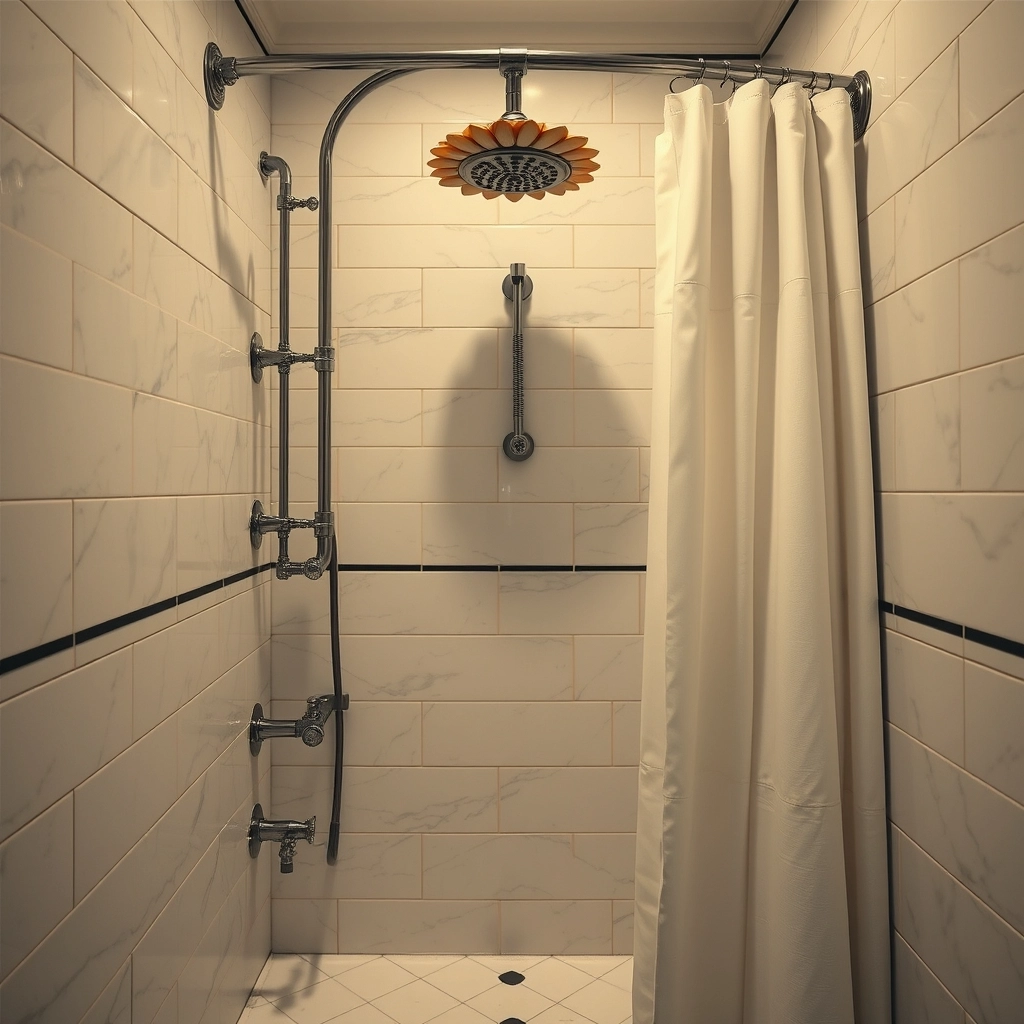
Then you had the rib cage shower. It’s this terrifying-looking cage of pipes that sprayed you from every angle. We don’t really use them now because they’re a plumbing nightmare, but they were the original spa experience. High-end engineering for people who really, really wanted to be clean.
Key Elements of Victorian Bathroom Design
If you want this to work, you have to nail the big stuff first. You can’t just put a brass faucet on a plastic tub and call it Victorian. It doesn’t work like that. You need the heavy hitters: the freestanding tub, the right sink, and the floor patterns.
The Importance of Freestanding Fixtures
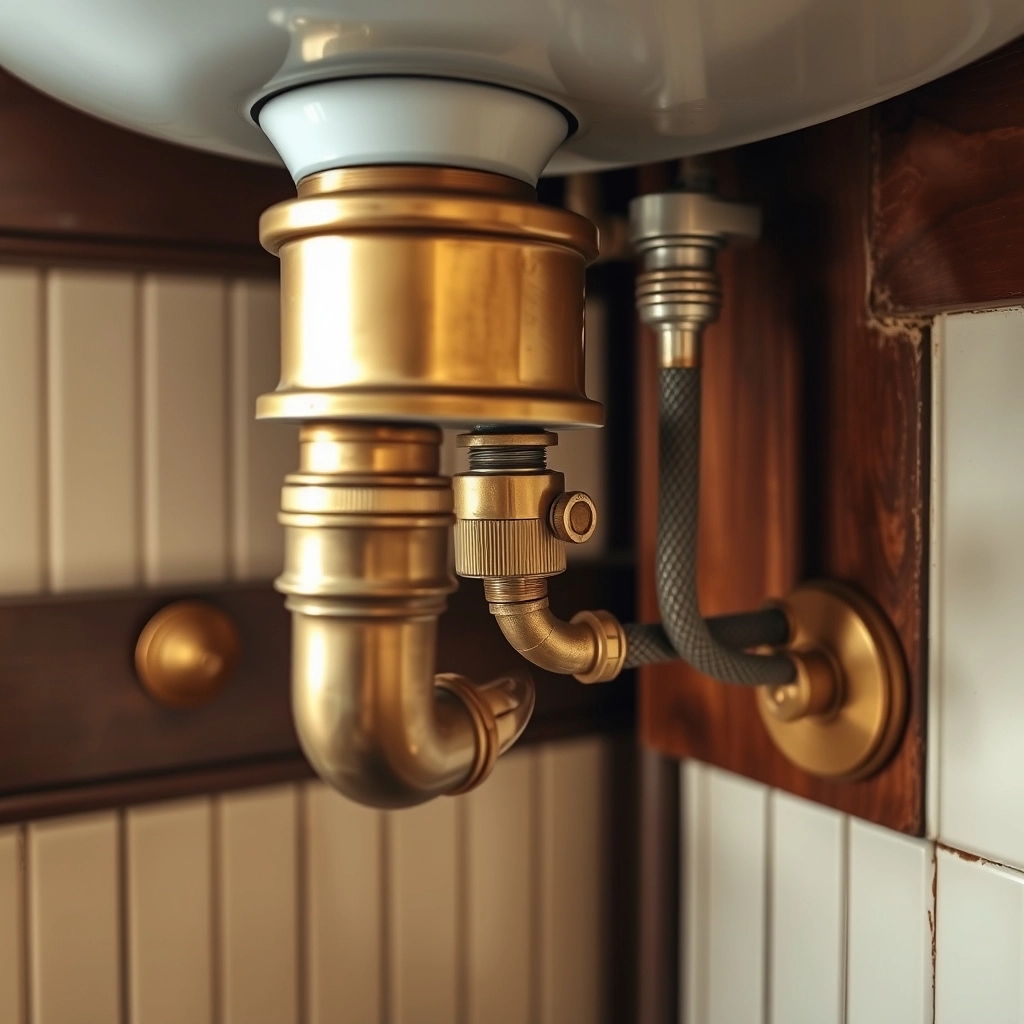
In a Victorian Bathroom Design, the plumbing is the star. Don’t hide it. Actually, the pipes are the best part. I’m talking about exposed supply lines and those curvy decorative traps under the sink. (Technical note: use real metal here, not the painted plastic junk).
It’s about the contrast. You have these hard, industrial pipes next to soft things like heavy curtains or a nice rug. It creates a tension. That’s what makes the room feel expensive and lived-in at the same time.
Choosing the Perfect Clawfoot or Freestanding Bathtub
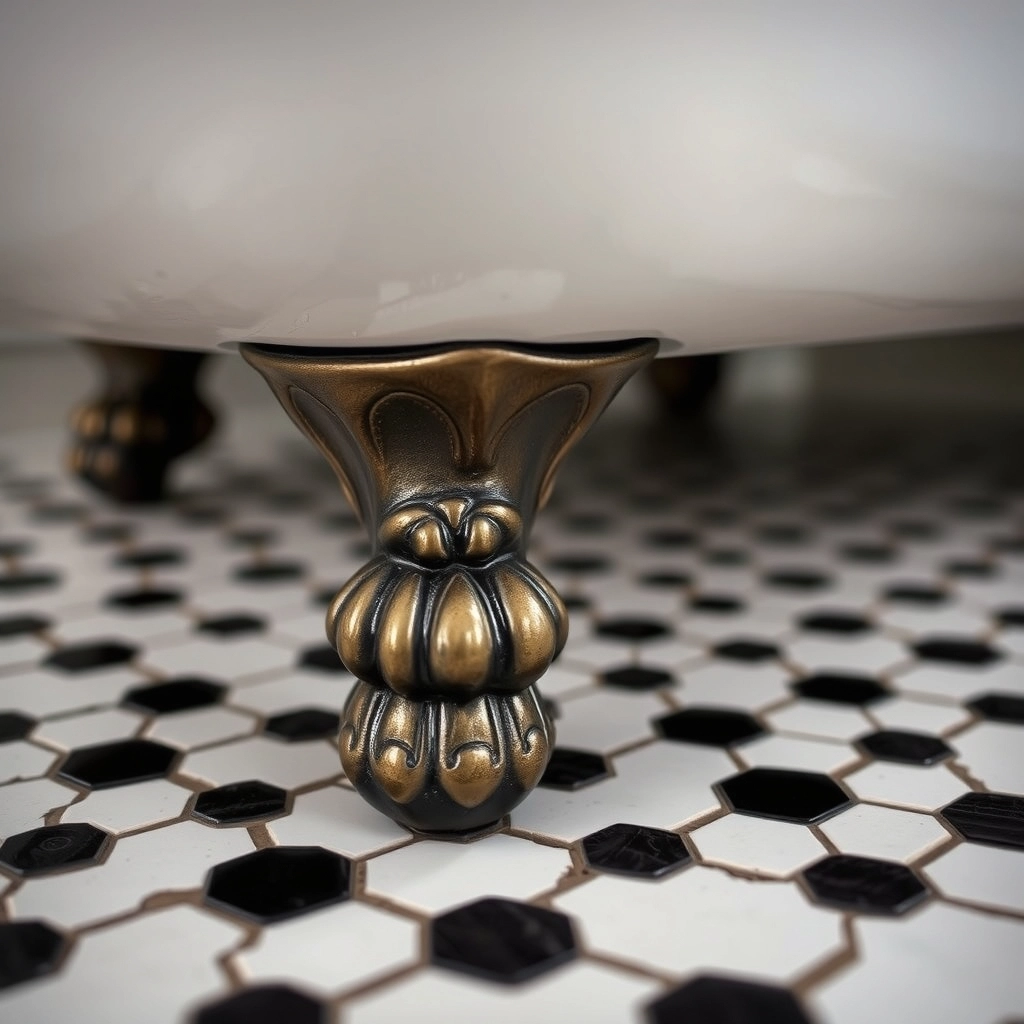
The clawfoot bathtub is the king of the room. Period. Most modern ones are made of acrylic because it’s light and easy. I hate them. They feel flimsy. A real Victorian tub is cast iron with a thick porcelain coating. It’s heavy. Like, we need to reinforce the floor heavy.
I put together a quick breakdown of why I fight with contractors over tub materials and standard bathtub size every single week.
| Material | Weight | Heat Retention | Vibe |
|---|---|---|---|
| Cast Iron | Very Heavy | Excellent | Authentic and Permanent |
| Acrylic | Light | Poor | Modern and Temporary |
My Take
Go with cast iron if your floor can handle it. The ‘thunk’ sound it makes when you tap it is the sound of quality.
Actually, the iron is better for your bath. It holds the heat. In an acrylic tub, your water is cold in ten minutes. In a cast iron one, you can sit there for an hour and it’s still steaming. The feet are the detail that matters. You usually see the ball and claw—a lion’s paw holding a ball.
Or you go with imperial feet, which are more like scrolls. If you’re tall, look for a slipper tub. One end is higher so you can actually lean back without hurting your neck. It’s basic ergonomics, even if it is a hundred years old.
Weight Considerations
Cast iron tubs are incredibly heavy, often exceeding five hundred pounds when filled, so you must ensure your floor joists are structurally sound.
Victorian Tile Patterns and Flooring Ideas
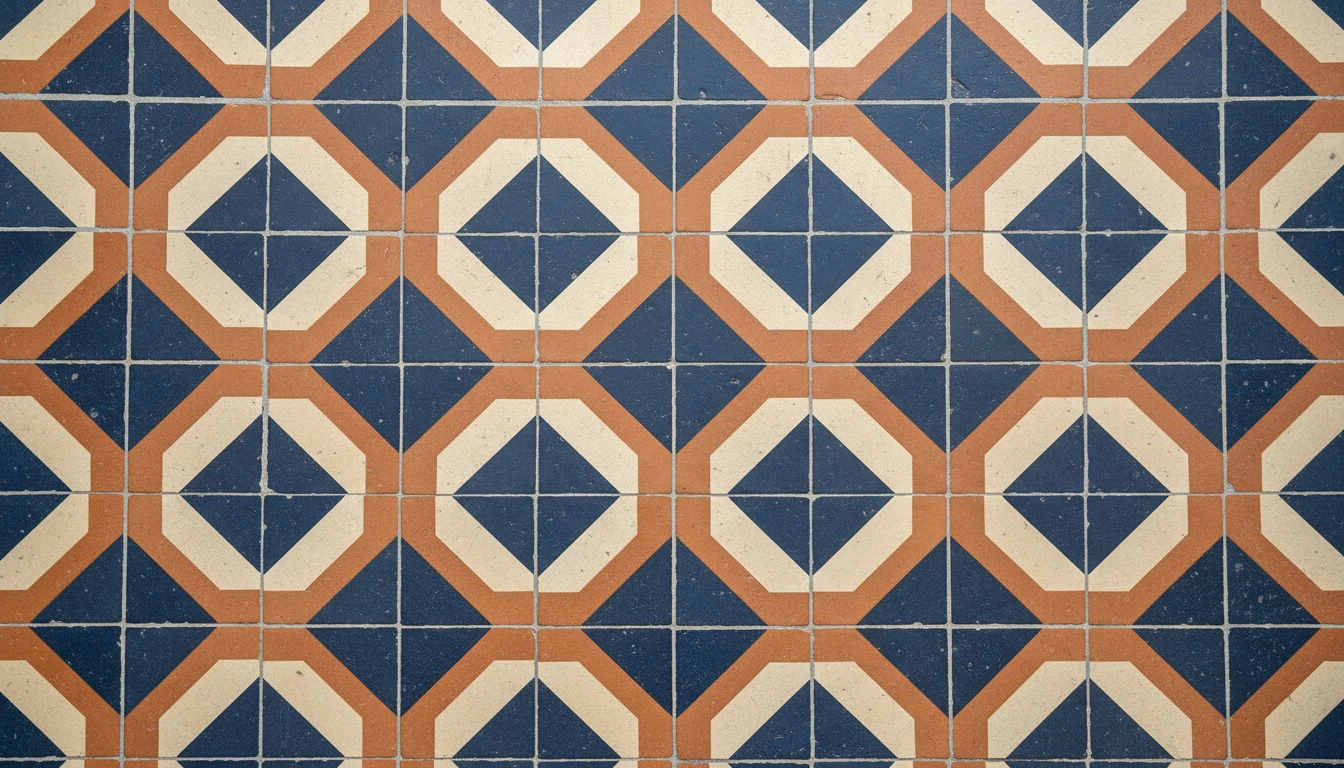
Floors had to be tough. The classic is the black and white checkerboard. It’s everywhere for a reason. It looks sharp. You use small squares or hex tiles. It’s a high-contrast look that makes everything else in the room pop.
If you are staring at a pile of tile samples and feeling overwhelmed, here is how the big three stack up against each other.
| Tile Type | Core Visual | Durability | Best Application |
|---|---|---|---|
| Checkerboard | High Contrast | High | Main floor area |
| Encaustic | Earthy Patterns | Very High | Feature zones or entries |
| Penny Tiles | Intricate Texture | Medium | Shower floors or borders |
My Take
I always lean toward encaustic tiles for a ‘forever home’ because they age so gracefully.
The Enduring Appeal of Encaustic Tiles
If you want to get fancy, go for encaustic tile. This isn’t just a pattern printed on top. The pattern is built into the clay itself. They’re matte. They feel earthy. They were used in old cathedrals and banks before they made it into homes.
Penny tiles are another good one. You can use them to make borders or even spell things out. I saw a floor once that had the word BATH spelled out in the entryway in tiny hex tiles. It’s a bit kitschy but very authentic. It adds a layer of someone actually thought about this to the design.
Traditional Wall Treatments and Wood Paneling
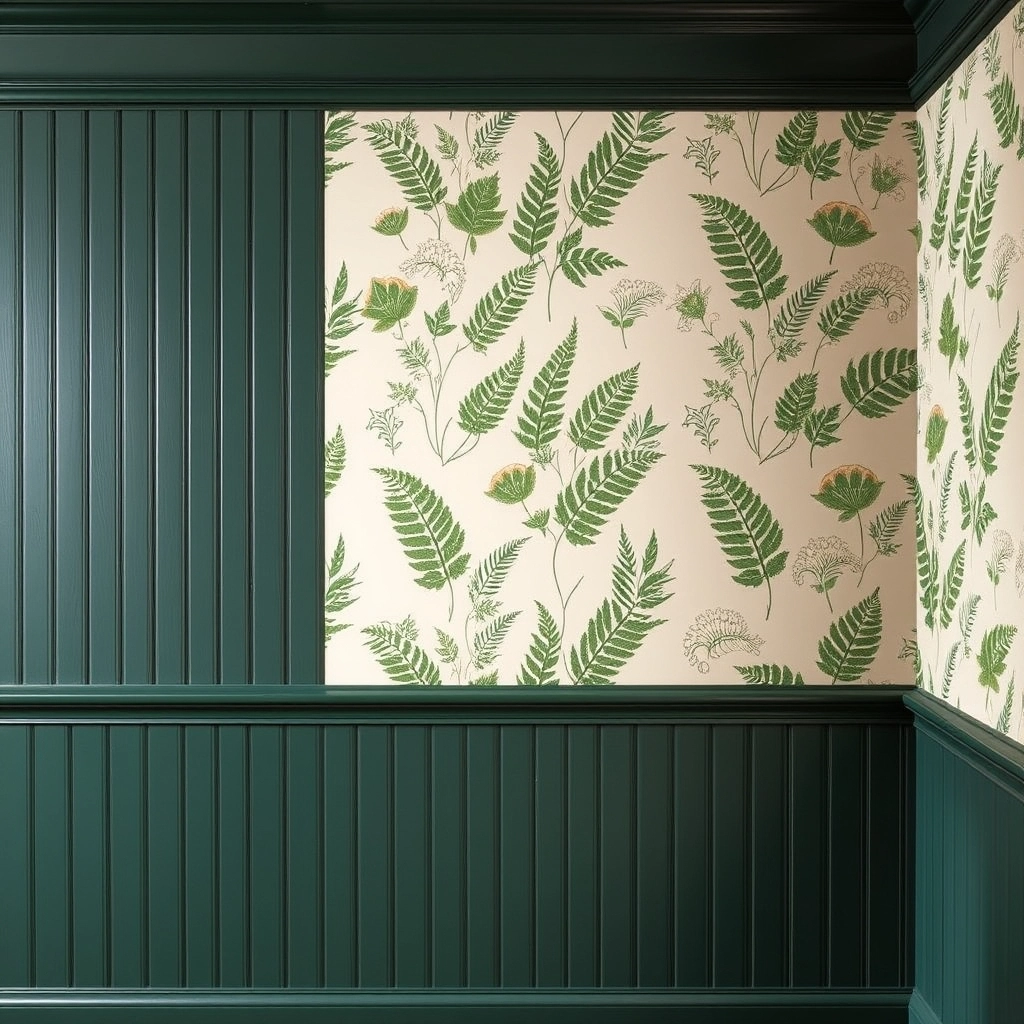
Walls shouldn’t be boring. Victorians hated empty space. Wainscoting or beadboard on the bottom half of the wall is the way to go. It protects the wall from splashes. Paint it with high-gloss enamel. It needs to be shiny and tough.
You use a chair rail to separate the wood from the rest of the wall. It gives the room a sense of height. It makes it feel like an actual room instead of just a box where you pee.
On the top half? Go wild. For bathroom wallpaper ideas, botanical patterns are the standard. Ferns. Birds. Vines. If you’re worried about steam ruining the paper, just use a really deep, dark paint. Something like a navy or a forest green. It makes the room feel small in a good way—like a hug.
Authentic Victorian Bathroom Color Palettes
Early on, bathroom paint colors were all about jewel tones. Deep reds. Dark greens. Moody blues. It felt rich. It felt like you were in a library. These colors work great with dark wood.
Transitioning from Jewel Tones to Sanitary White
Then things changed. Everyone got obsessed with clean. By the 1890s, everything went clinical white. But don’t use that blue-ish white they sell at the big box stores. It looks like a gas station.
Use parchment or biscuit. It’s a warmer white. It looks like it has a little age on it. It keeps the room from feeling like a freezer. It bridges the gap between old-school drama and modern brightness.
Period-Correct Sinks and Pedestal Basins
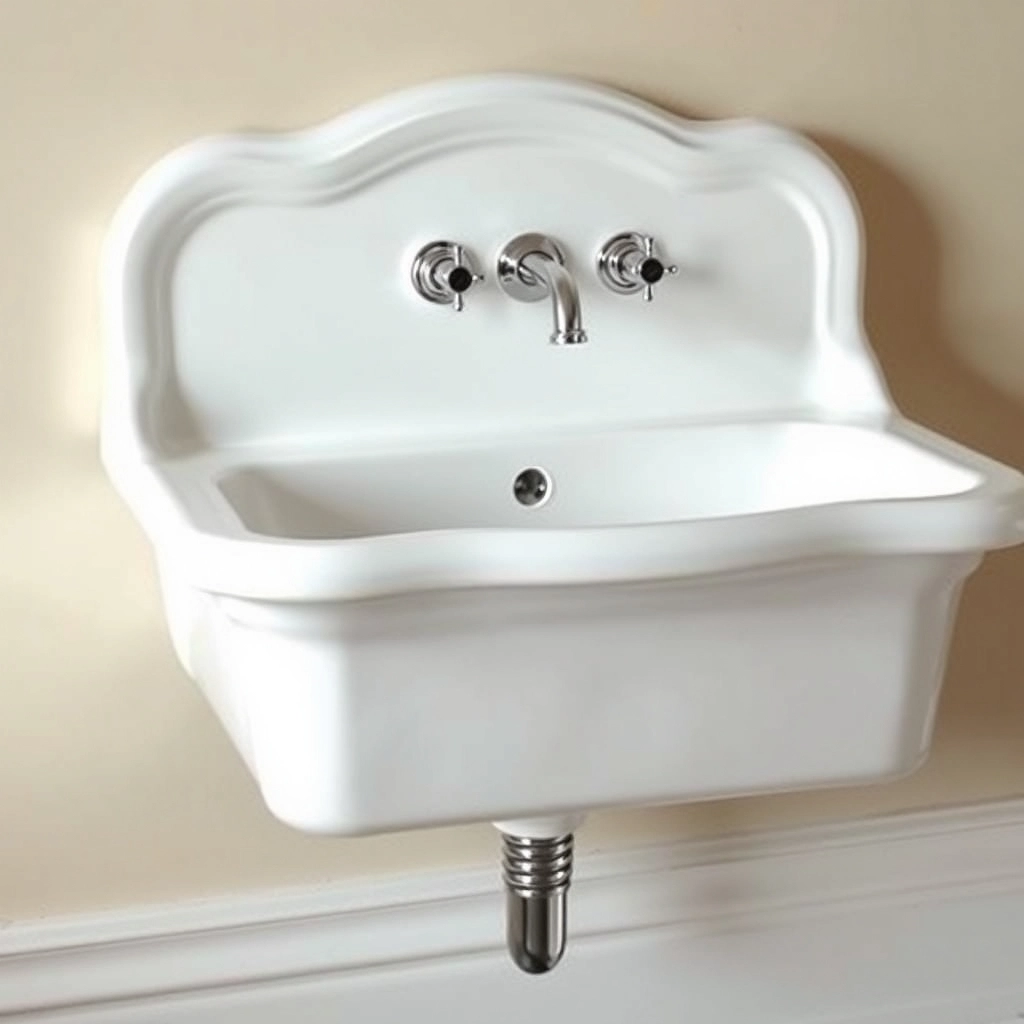
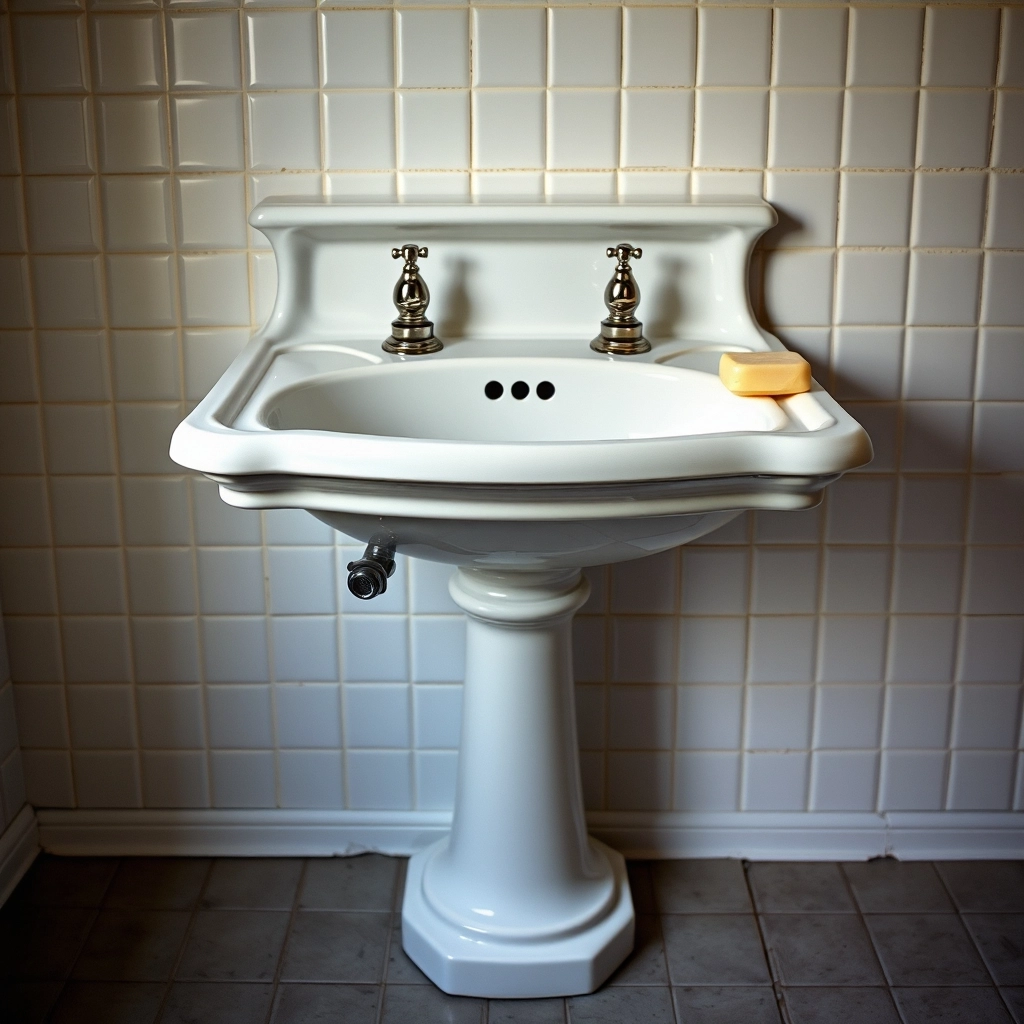
The pedestal sink is what everyone thinks of. One big basin on a porcelain leg. Simple. It saves a lot of space. If you have a massive room, you want a console sink. It has metal legs—usually brass or nickel.
I have sketched out the main sink types I use in my projects so you can see which one fits your square footage.
| Sink Style | Support Type | Space Efficiency | Visual Impact |
|---|---|---|---|
| Pedestal | Single Column | High | Classic and Airy |
| Console | Metal Legs | Medium | Industrial and Expensive |
| High-Back | Wall Mounted | Very High | Utilitarian and Unique |
My Take
If you have a tight space, the high-back sink is a ‘game changer’ because it keeps the wall clean and looks incredibly custom.
It looks like a piece of furniture. Actually, the high-back sink is my favorite. The back part of the sink goes way up the wall and the faucets come out of the porcelain itself. No water gets behind it. It’s a smart design that people just stopped using for some reason.
Victorian Brassware and Plumbing Fixtures
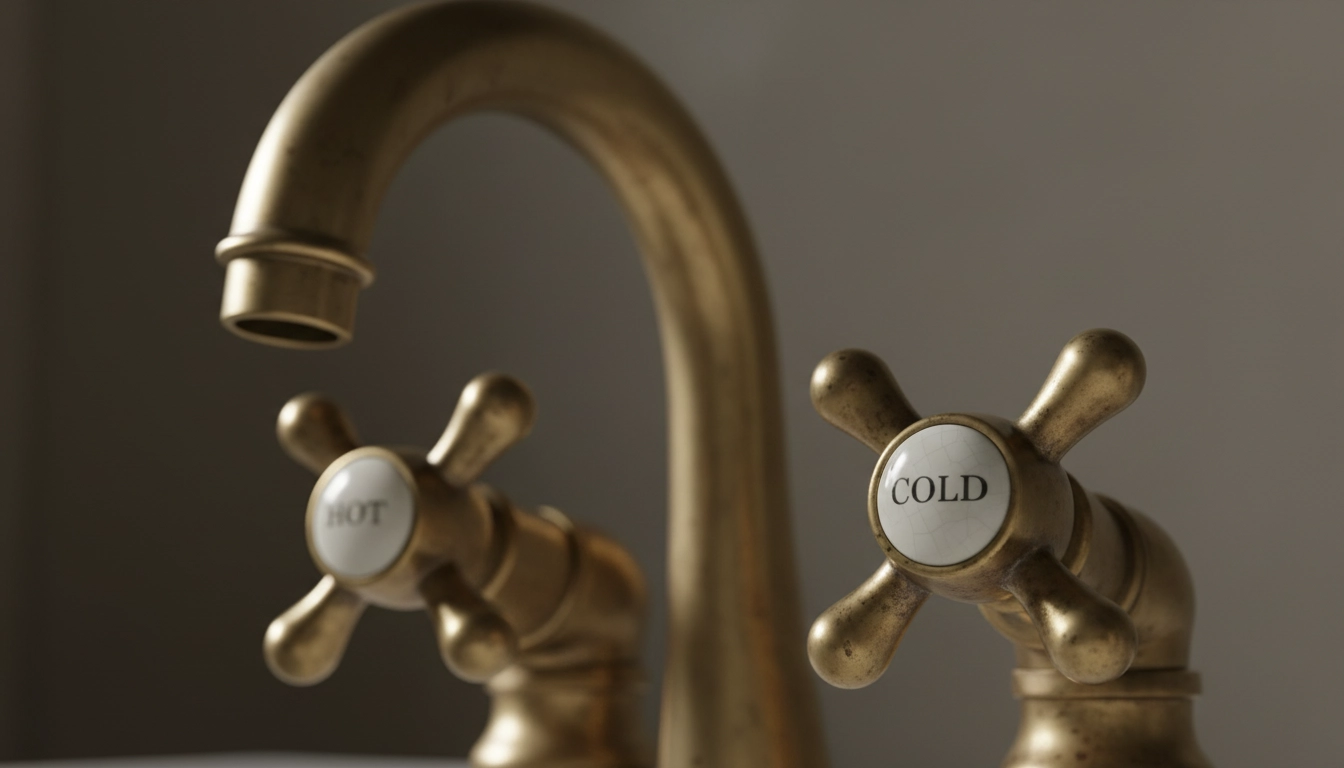
The hardware is the brassware. In the Victorian days, it was unlacquered brass—often used for a brass towel bar. This is living metal. It gets darker as you touch it. It develops a patina. Some people hate that; they want it to stay shiny. If that’s you, don’t buy it.
Let’s talk about the jewelry of the room—the metals. Choosing the wrong one is like wearing sneakers with a tuxedo.
| Finish | Color Temperature | Patina | Effort |
|---|---|---|---|
| Unlacquered Brass | Warm and Gold | Darkens with time | High maintenance |
| Polished Nickel | Warm and Silver | Stays consistent | Low maintenance |
| Chrome | Cool and Blue | Stays shiny | Very low maintenance |
My Take
Polished nickel is the ‘sweet spot’ for most of my clients who want luxury without the constant polishing.
Go with ‘polished nickel‘ instead. It’s warmer than chrome. Chrome is too blue. Nickel looks like old money. Look for cross-handle taps with those little porcelain discs that say HOT and COLD.
A gooseneck spout is the classic shape. It’s tall and curvy. It matches the curves of the tub. These little things are what make the whole look come together. If you get modern-looking faucets, you’ve ruined the whole vibe.
Vintage Lighting and Chandelier Styles
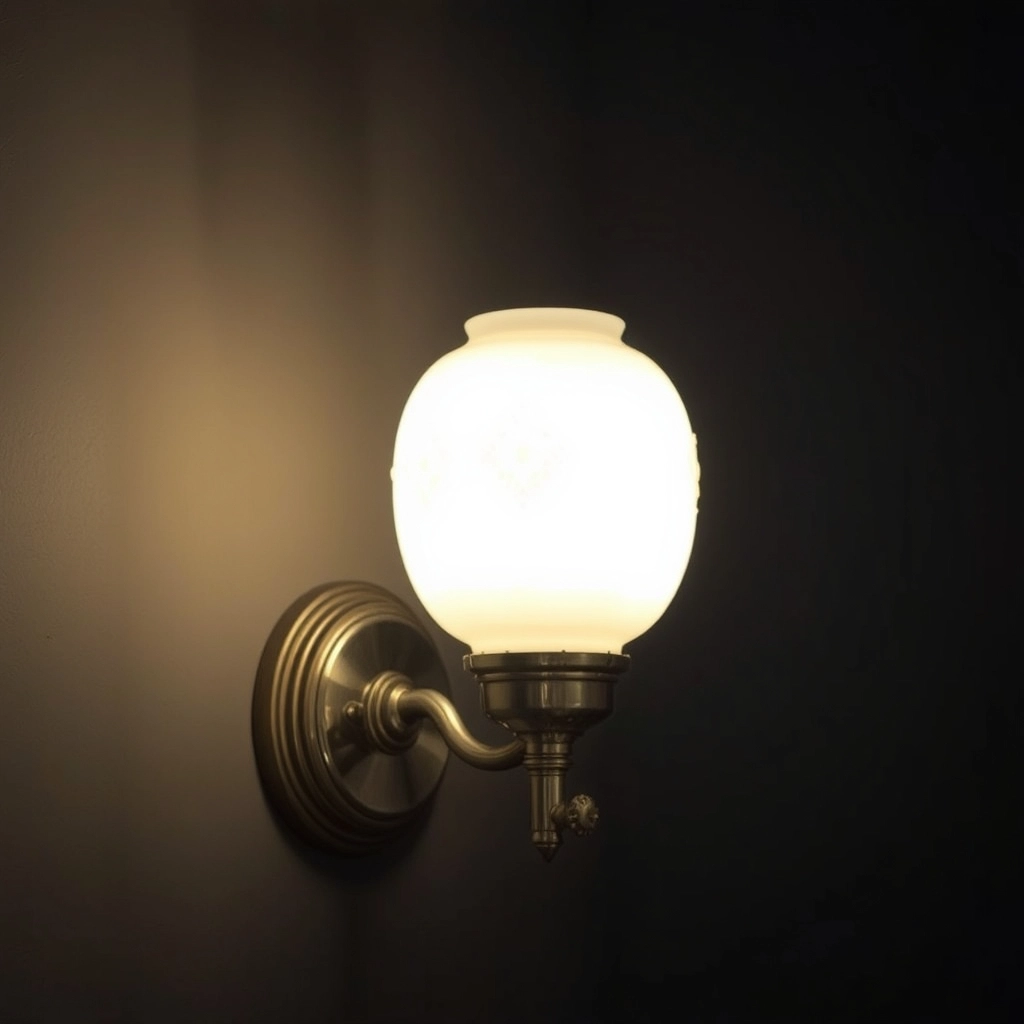
Bad lighting ruins everything. One light in the middle of the ceiling is a crime. You’ll look like a swamp monster in the mirror. You need wall-mounted sconces at eye level.
Use opaline glass or those etched globes. They soft-focus the light. If you have high ceilings, put a crystal chandelier in there. It’s a bit much, but that’s the point. It’s Victorian.
Actually, the first electric lights were designed to look like gas lamps. They had these downward-facing shades. If you find fixtures that look like they could have been gas, you’re winning.
Dimmable Ambiance
Actually, installing a dimmer switch is the easiest way to transition your Victorian bathroom from a bright morning space to a moody evening retreat.
Incorporating Victorian Design in Modern Homes
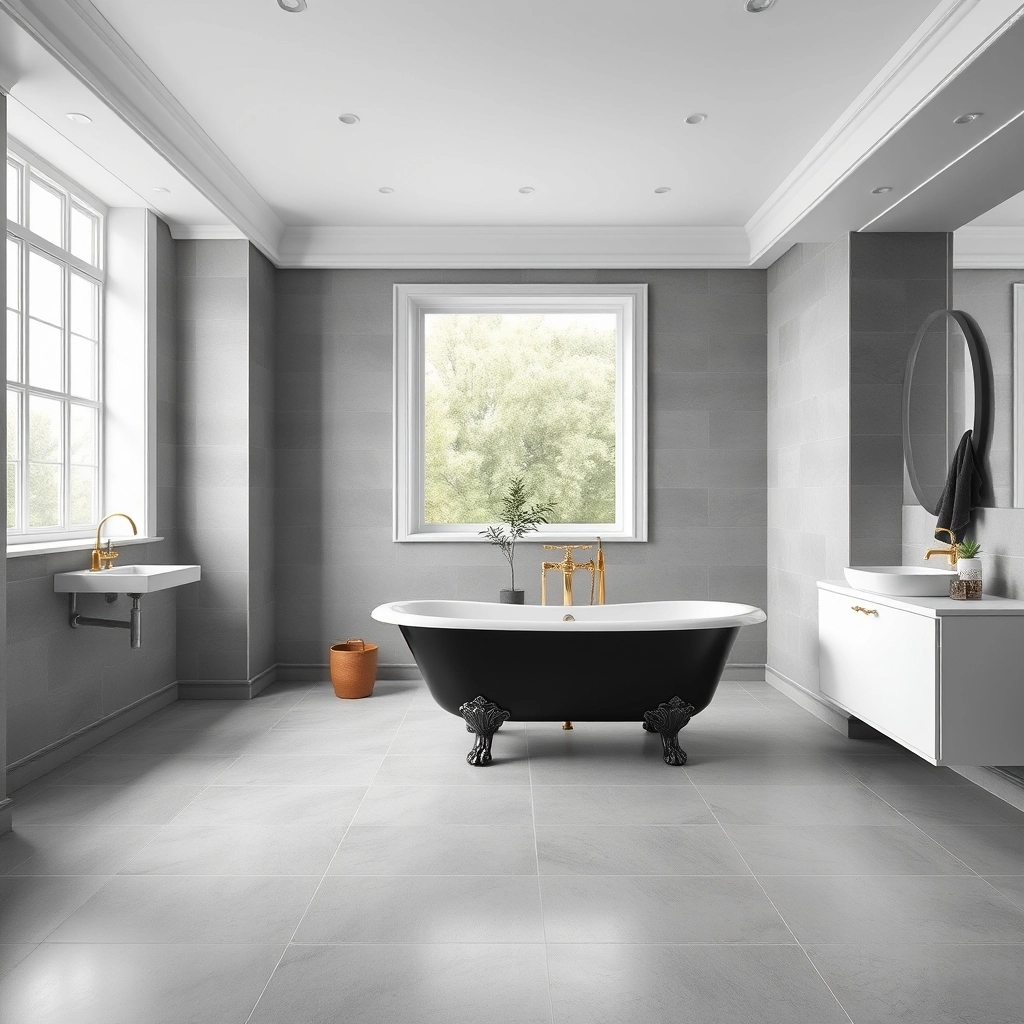
You don’t have to go full haunted mansion. Just pick a few hero pieces. Put a clawfoot tub in a room with normal tiles. It works. It gives the room a focal point.
It’s a hybrid approach. You don’t need the wood paneling if you have the right floor. You don’t need the wallpaper if you have the right tub. Just pick one or two things and let them do the heavy lifting. It keeps the room from feeling like a museum set.
Victorian Decorating Ideas for Small Bathrooms
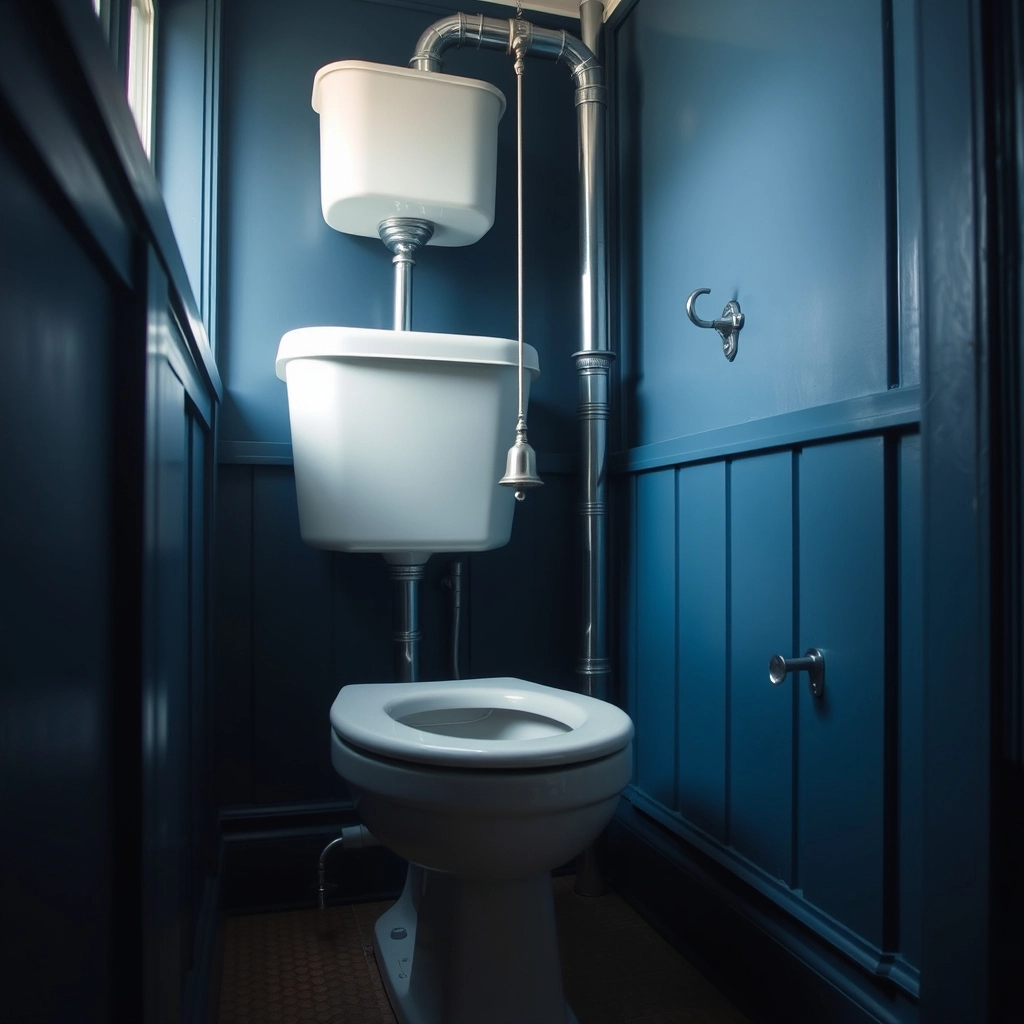
When it comes to small bathroom designs, these rooms are tough. Use a high-level cistern toilet. The tank is way up on the wall and you pull a chain. It looks incredible and it actually saves floor space because the tank isn’t sitting on the bowl.
Get a big gilt-framed mirror. It makes the room feel twice as big. Don’t use big, bulky cabinets for towels. Use a wire étagère or just some simple shelves. Keep it open so you can see the walls.
Essential Victorian Bathroom Accessories and Mirrors
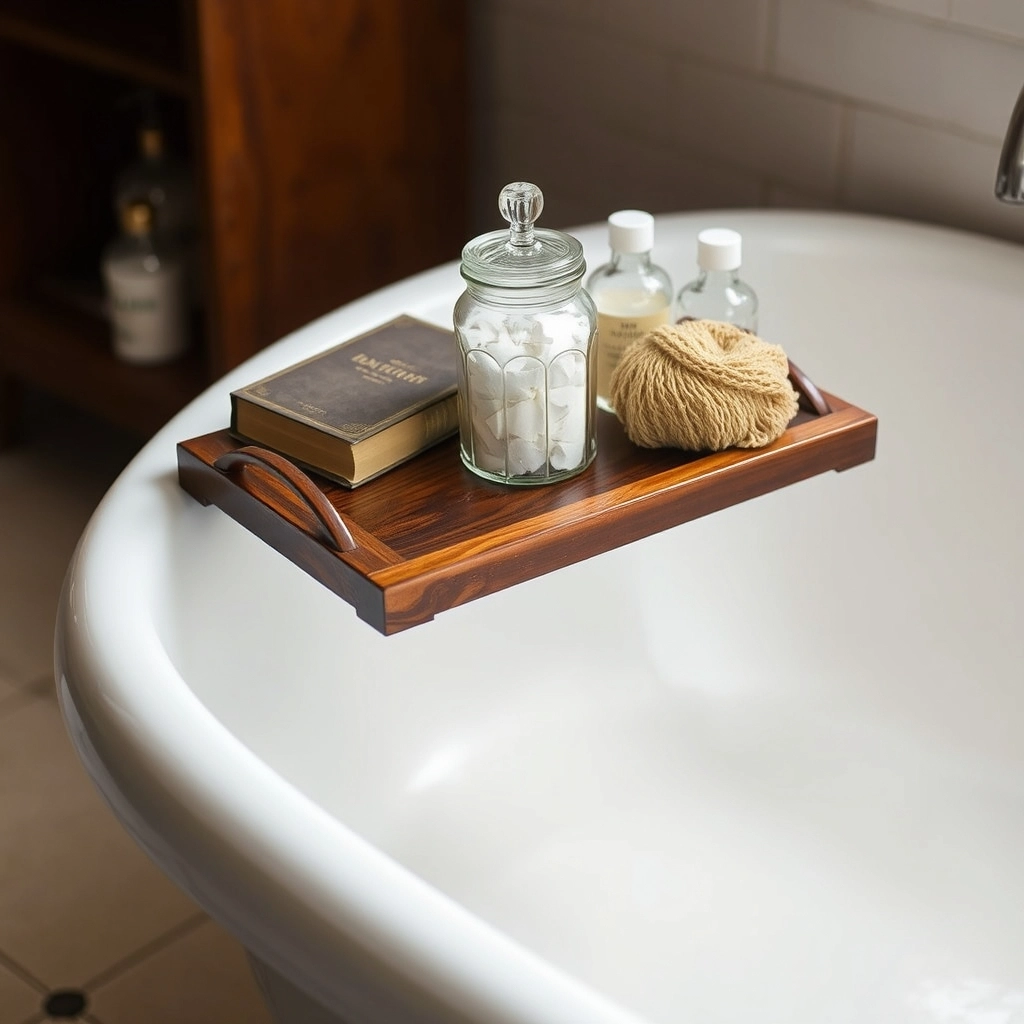
The accessories are the last 10%. Apothecary jars. Get some sea sponges. A wooden bath bridge for the tub so you have somewhere to put your coffee or a book.
Put art on the walls. Seriously. A framed print or a small oil painting. It makes it feel like a room where people actually live. It moves the bathroom away from being a utility and makes it a sanctuary.
Conclusion
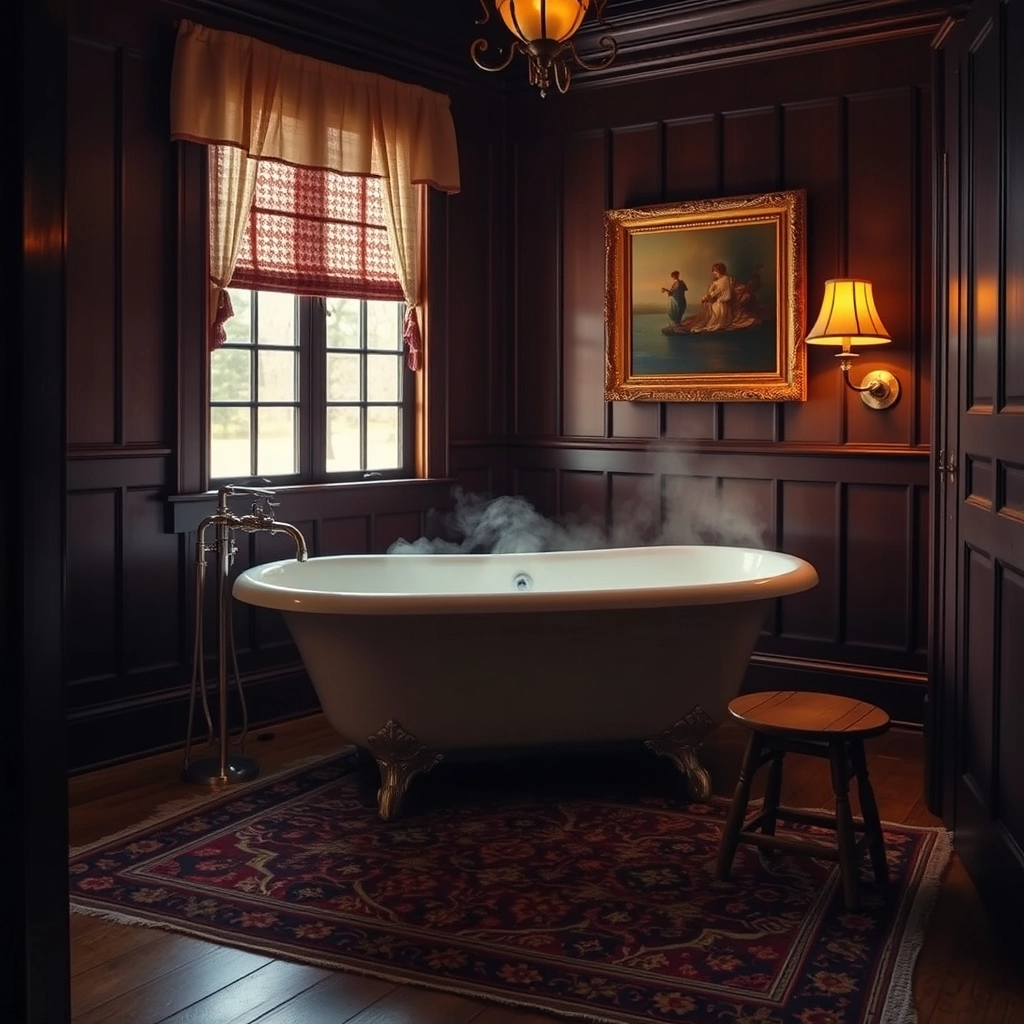
Building a Victorian Bathroom Design isn’t about being perfect. It’s about quality. Cast iron, porcelain, brass. Use real materials. They last. They have weight.
In the end, you want a place where you can actually relax. Not a plastic box. Think about what feels like home to you. If you like things that have a bit of history and a lot of character, this is your style. Let me know what you think or if you’ve tried any of this in the comments.