






Look, I’m typing this fast on my phone while I wait for a delivery truck, so excuse the mess. Honestly, I’m seeing this bathroom mirror retro 2026 stuff everywhere and it’s basically just us admitting the 70s had better taste than we thought. I was just talking to Craig—he’s got that place on Hogan St in Geelong—and he’s obsessed with these pill-shaped mirrors he saw online. He tried to hang one himself and nearly took out the plumbing. Mirrors are heavier than they look, people. Don’t just slap them on the wall and hope for the best. It’s wild how everything old is new again but at least we aren’t using that weird avocado green tile anymore. Mostly.
I put together a quick comparison of what we used to see in the nineties versus what people are asking for right now in 2026.
| Feature | Nineties Builder Grade | 2026 Retro Style |
|---|---|---|
| Shape | Flat Rectangle | Organic Curves |
| Frame | Frameless or Plastic Clips | Hand-forged Metal |
| Depth | Thin Sheet | Beveled Heavy Glass |
| Vibe | Sterile Apartment | Curated Luxury |
My Take
The biggest difference is the weight. those old sheets were like paper, but the new stuff has real ‘heft’ to it and requires proper wall anchors.
The sound of a crowbar snapping through thirty-year-old mastic is a sound that stays with you. It’s a sharp, nasty crack. I’ve spent way too much of my life pulling out those massive, wall-to-wall sheets of glass that every builder in the nineties thought was a good idea. They were cheap, they were boring, and they were a total pain to remove without getting a face full of glass shards. Now, here we are in 2026, and the trend is swinging right back to the stuff those big mirrors replaced. It’s funny how that works.
This time around, though, it’s not about just covering a wall because you’re lazy. It’s about the look of the thing. People want craftsmanship. They want something that doesn’t look like it came out of a box from a warehouse. We’re seeing a real focus on vintage vibes that actually mean something. It’s a shift toward luxury, I guess, but a kind of luxury that feels like someone actually put thought into it instead of just spending a lot of money on a flat piece of glass.
Understanding the Basics of Retro Mirror Design
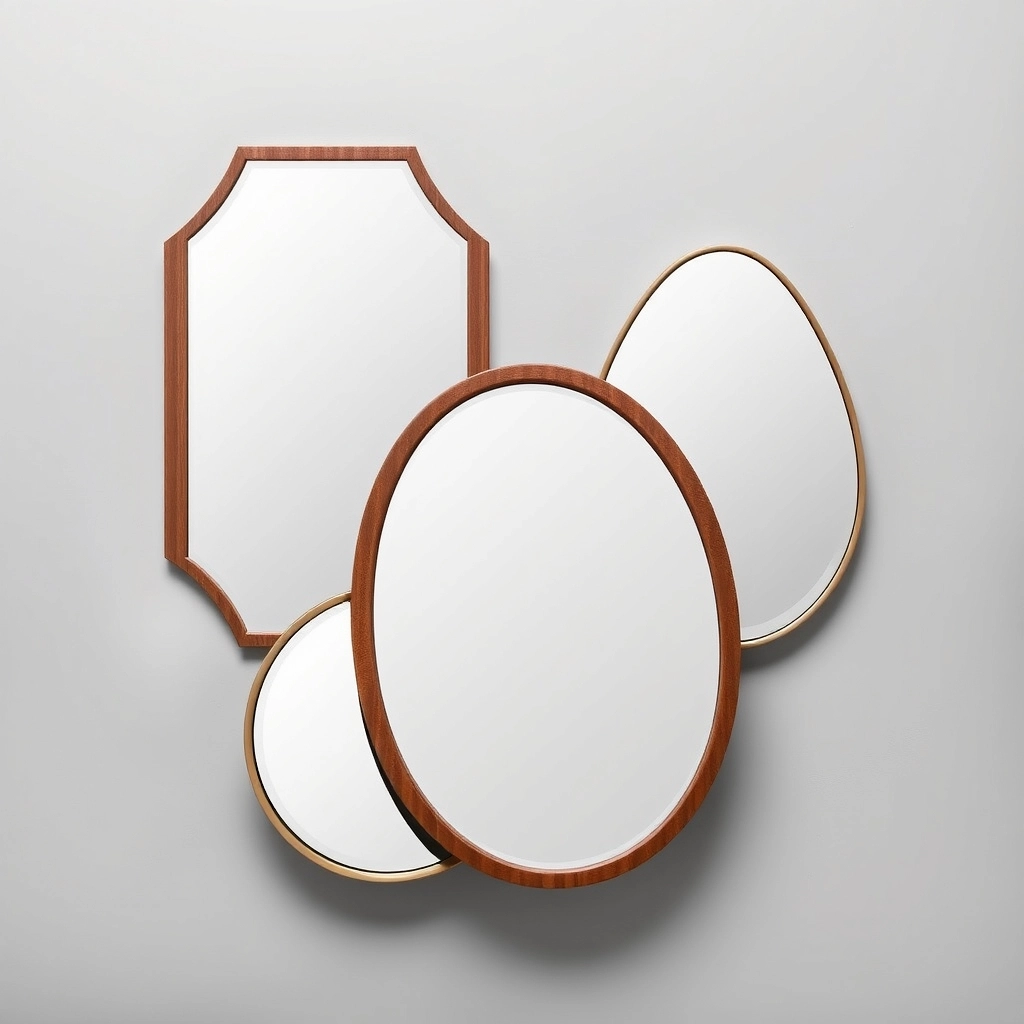
Before you start swinging a hammer at your current bathroom, you have to understand what makes a mirror retro these days. In the 2026 market, it’s not just about being old. A retro mirror is a piece that’s intentionally pulling from the past to make a point. I’m seeing a lot of Mid-century modern, Art Deco, and even some of those heavy Victorian frames coming back into style. It’s about creating a focal point. A hero piece, if you want to be fancy about it.
I broke down the different eras that are hitting the job sites lately so you can figure out which one fits your house.
| Design Era | Key Characteristic | Best For |
|---|---|---|
| Art Deco | Geometric Symmetry | High-end Glamour |
| Mid-Century | Teak and Tapered Edges | Natural Warmth |
| Victorian | Ornate Carvings | Historic Renovations |
| Seventies | Soft Pill Shapes | Modern Retro |
My Take
Don’t mix too many eras in one room or it looks like a junk shop. Pick one ‘vibe’ and stick with it for the best results.
In 2026, retro doesn’t mean you have to go buy a dusty antique that’s literally falling apart. Manufacturers are making new stuff with vintage-inspired shapes. We’re talking about soft edges, thick beveling, and frames made of mixed metals that look like they’ve seen some history. It’s about the silhouette. If it looks like something your cool aunt would have had in 1974, you’re probably on the right track.
Defining the Era
The term retro in 2026 specifically leans into the 1960s and 1970s aesthetic, focusing on organic shapes and warm tones that contrast with the cold marble trends of the last decade.
These mirrors are the anchor for the room. When I get called in for a renovation, the mirror is usually the last thing the owner thinks about. They’re worried about the toilet or the shower head. But the mirror is the first thing you look at in the morning. A real retro piece uses thicker glass. It might even have some distressed bits that look like the silvering is wearing off.
It’s about making the room look like it was collected over time, not just purchased from a catalog. When you pick a mirror with some actual character, you’re telling people you didn’t just take the easiest option. You’re moving away from that generic big box store vibe. You’re going for something that feels personal. Something that has a bit of soul to it.
Why the Bathroom Mirror Retro 2026 Style is Essential for Modern Homes
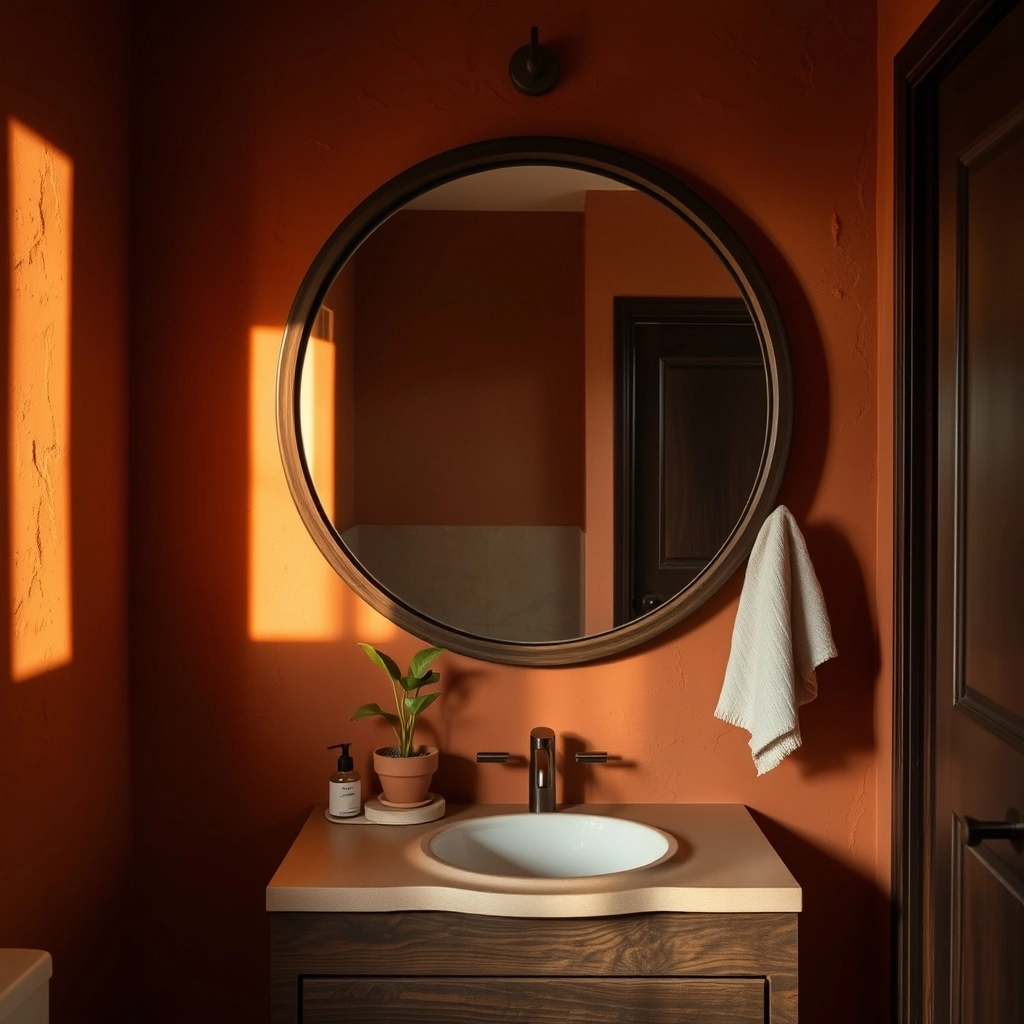
The reason these bathroom mirror retro 2026 styles are blowing up is because people are sick of their bathrooms looking like a dentist’s office. You know the look—white, gray, sterile, boring. Minimalism had its run, and now people want warmth. They want their home to feel like a home. I’ve noticed my clients are getting really into tactile designs lately. They want to see the little marks where a hammer hit a brass frame. They like the tiny imperfections in hand-poured glass.
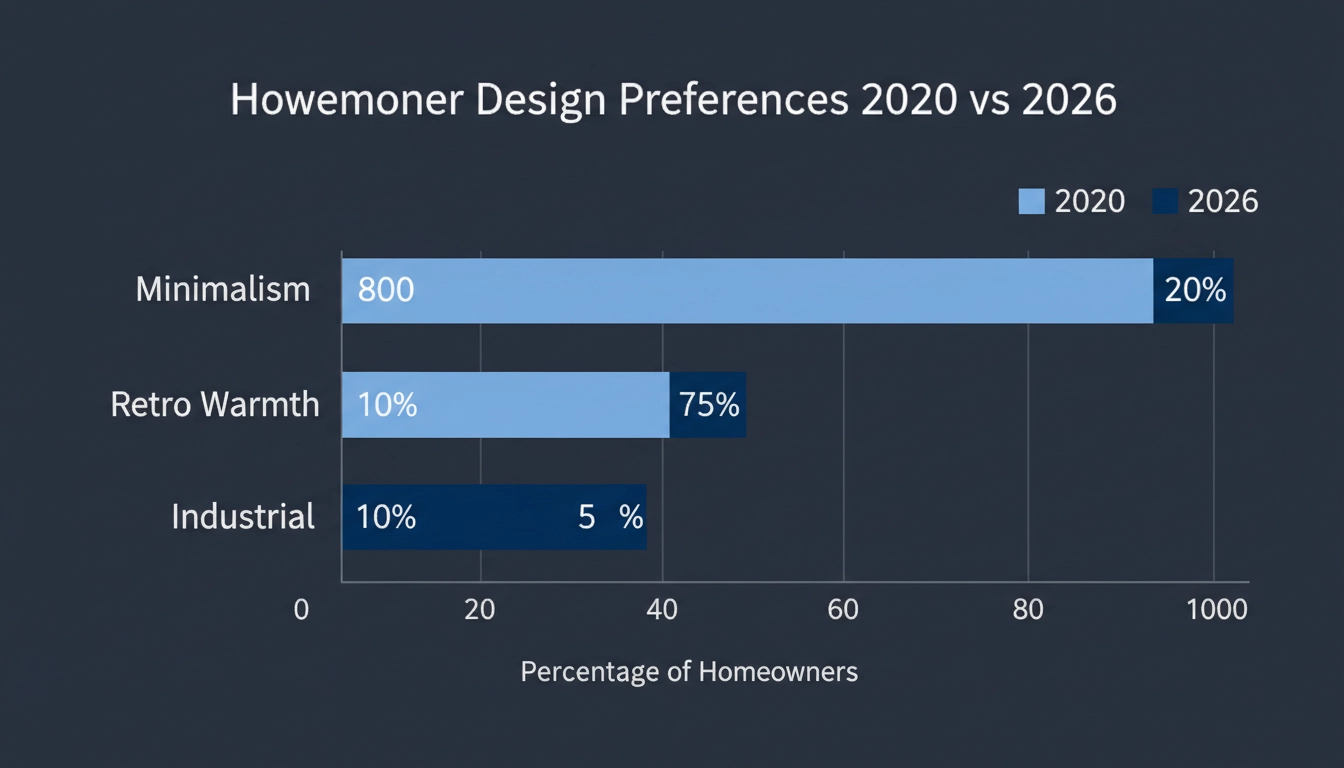
I saw a chart the other day showing how homeowners are ditching that cold, surgical look for something with more personality.
My Take
People are finally realizing that a bathroom doesn’t have to look like a laboratory. Warmth is winning the popularity contest this year.
This whole thing is a reaction against fast furniture. That cheap stuff that falls apart the second you move house. Choosing a bathroom mirror retro 2026 style is part of this slow design movement. It’s a bit of a buzzword, I know, but the idea is solid. You pick things because they’re going to last and because they have some visual weight. You aren’t just buying it because it’s convenient.
Weight Matters
Retro mirrors, especially those with solid metal frames or thick glass, are significantly heavier than modern frameless versions. Always ensure you are anchoring into a stud or using heavy-duty toggle bolts to avoid a midnight disaster.
Maximalism is also making a comeback. For years, designers told everyone that everything had to be clean lines and simple shapes. People are finally getting brave. They’re using bold shapes again. A big, round mirror with a chunky wooden frame gives your eyes a break from all the straight lines of the tiles. It’s a visual pause button.
It makes a small room feel bigger, too. I’ve been using that trick in powder rooms for a long time. When you break up the grid of the tiles with a curved piece, the whole feel of the room changes. It stops being just a place where you brush your teeth and starts being a place that actually has an atmosphere. It’s less about being useful and more about how the room makes you feel.
Oval and Rounded Retro Mirrors: The Easiest Way to Add Vintage Charm
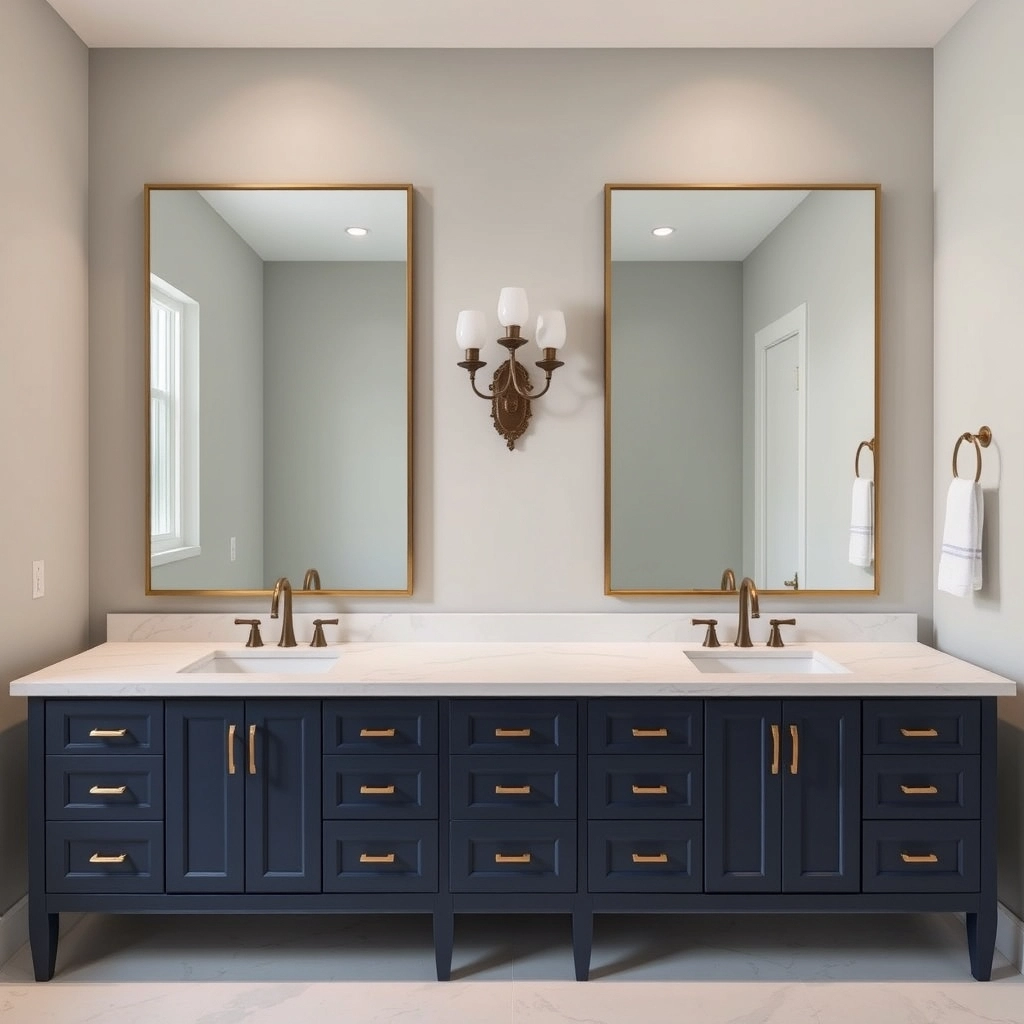
If you want to flip the whole vibe of your bathroom but you don’t want to mess with the plumbing, just get an oval mirror. Seriously. Most bathrooms are just a collection of hard corners. You’ve got the vanity, the shower glass, the door, the tiles—it’s all squares and rectangles. Adding a curved mirror breaks that up instantly. It makes the room feel like it flows better.
Here is a quick breakdown of the shapes I am installing most often and what they do for the space.
| Shape | Visual Impact | Best Room Size |
|---|---|---|
| Perfect Circle | Softens Sharp Tiles | Medium to Large |
| Pill Shape | Adds Height | Narrow Powder Rooms |
| Pebble or Organic | Artistic Focal Point | Master Suites |
My Take
If you have a low ceiling, go with a tall ‘pill’ shape. It tricks the eye into thinking the room is much higher than it really is.
In 2026, the big thing is pill-shaped mirrors or those weird pebble shapes that aren’t quite symmetrical. It’s a nod to that organic style from the middle of the last century. I did a job recently with two pill-shaped mirrors over a double vanity. They had these thin aged bronze frames. It took about twenty minutes to hang them, and the whole room looked like it cost twice as much.
The round edges pull your eyes up. It creates a sense of space that a standard rectangle mirror just can’t do. It’s great for bathrooms that don’t have windows. It makes the walls feel less like they’re closing in on you.
The Double Vanity Trick
If you have a wide vanity, do not use one giant mirror. Use two vertical oval mirrors instead. This creates ‘symmetry’ and allows for a beautiful sconce light to be placed right in the middle.
Those rounded mirrors are also better for the light. Since they don’t have sharp corners, the light from your wall lights or the ceiling fixtures wraps around the frame a bit softer. It gets rid of those harsh shadows that make you look like you haven’t slept in a week. It’s a tiny detail, but it’s what makes a professional job look different from a DIY mess. When light hits a beveled edge on a round mirror, it does this little prism thing. It adds a bit of glamour to the morning.
Retro Mirror Finishes to Know: Antique Brass, Aged Glass, and Patina Effects
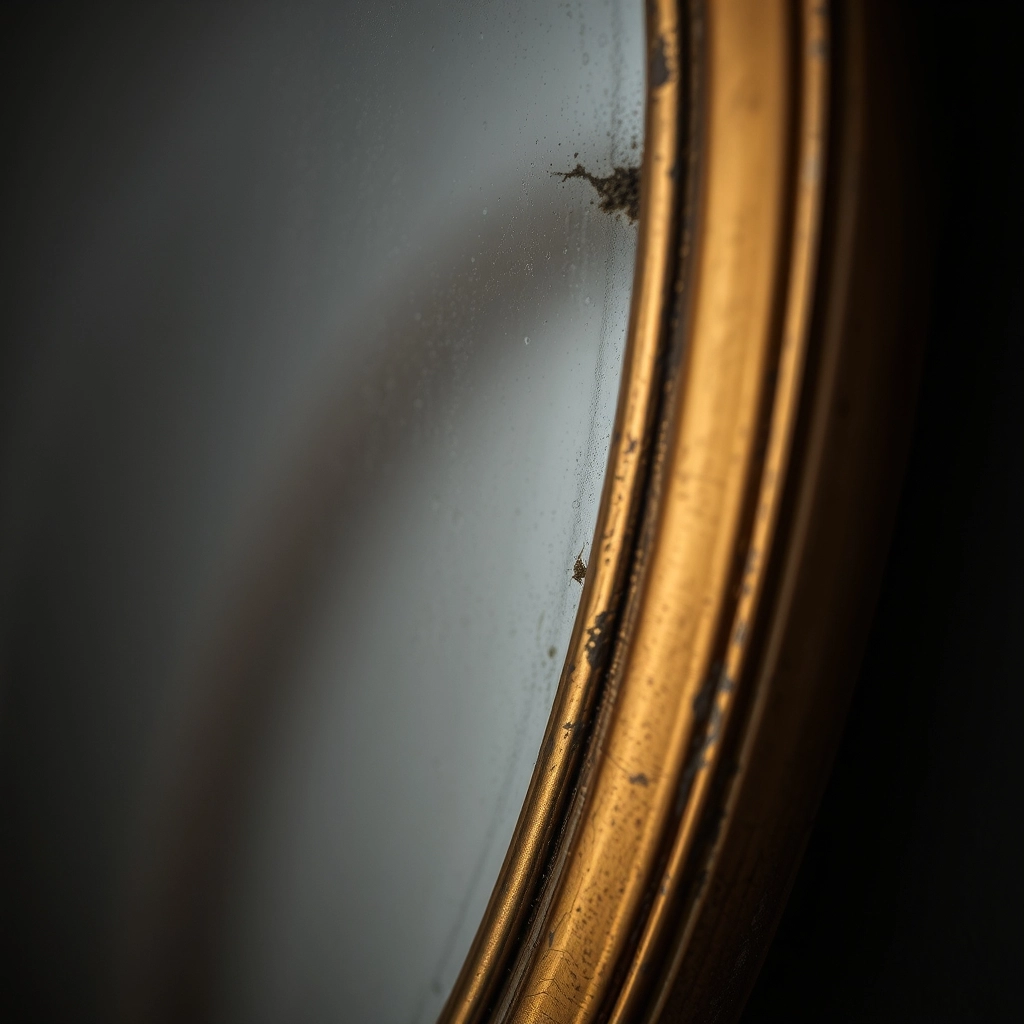
The finish on the frame is where most people mess up. In 2026, the worn-in look is what you want. We’re done with that super shiny chrome that shows every single water drop and fingerprint. It’s a nightmare to keep clean. Instead, people are going for antique brass or oil-rubbed bronze. Those are the big winners for the retro look.
I made a list of the common finishes so you can see which one matches your cleaning habits.
| Finish Name | Maintenance Level | Color Tone |
|---|---|---|
| Antique Brass | Low | Warm Gold |
| Oil-Rubbed Bronze | Medium | Deep Brown |
| Satin Nickel | Low | Soft Silver |
| Foxed Glass | High | Distressed Grey |
My Take
Stay away from ‘polished’ finishes if you hate cleaning. The ‘brushed’ or ‘aged’ looks hide water spots like a charm and look more authentic.
These finishes have a living feel. They actually look better as they get older and get a bit of character of their own. They have a warmth that you just don’t get with silver. If you pair an antique brass frame with some warm lights, the whole thing just glows. It feels expensive.
Then there’s aged glass. Some people call it foxed glass. That’s when the silver part on the back of the mirror is messed with to look like it’s got dark spots or misty edges. Now, don’t use this for your main mirror where you shave or do your makeup. You won’t be able to see a thing. But for a powder room or just a decorative piece, it adds a ton of depth.
A regular mirror can look flat. But foxed glass has a three-dimensional vibe. It looks like it has stories to tell. It fits that bathroom mirror retro 2026 aesthetic perfectly. It’s about age and elegance.
What is Patina?
Patina is the thin layer that forms on the surface of metals like copper and brass through oxidation. In retro design, this ‘greenish or brownish’ film is highly desirable because it proves the material is authentic.
You should also look for patina on the frames. A good retro mirror shouldn