






Ugh. People spend way too much time picking out paint colors when the floor is what actually kills the mood or makes it work. I just got off a long call with Allen. He is over on Hogan St in Bathurst and his whole master bath is basically a wreck because someone used a cheap wall tile on the floor. It is a disaster. Honestly? Your bathroom floor is the very first thing your bare feet touch in the morning. If that surface feels icy or looks like a 1990s basement, the sanctuary vibe is dead before you even brush your teeth.
I am literally typing this on my phone while my espresso machine screams in the background, but listen. You have to stop looking at bathroom floor tile ideas as just a color choice. It is a technical problem. It is about how much water that porcelain can handle before it becomes a skating rink. Stop thinking about the look for a second and think about the reality of a wet zone.
Actually, the flooring is the most vital architectural element in the room. It anchors every other choice you make. It also acts as the primary defense for the structural integrity of your house against daily water exposure. Choosing the right material is a decision that impacts the visual appeal and how long your home actually stays in good shape. A well-chosen tile provides a foundation for relaxation. It is about personal hygiene for the next few decades. It is not something you want to do twice.
Essential Technical Basics for Bathroom Floor Tile Ideas
We need to talk about the numbers. Most homeowners ignore the technical data sheet when they are in the showroom. That is a massive mistake. Actually, the most vital metric you will ever look at is the Coefficient of Friction or COF. It sounds dry and boring. It is. But it is also the difference between walking safely and taking a trip to the emergency room. A higher COF means the tile has enough grip to handle soapy water. Safety is the only priority that really matters in a wet environment.
Then there is the issue of porosity. This is why porcelain bathroom tile is usually better than standard ceramic for high-moisture areas. Porcelain is fired at insane temperatures in the kiln. It becomes incredibly dense. Nearly like glass. This density also contributes to its PEI Rating. This measures the resistance to surface wear and nasty abrasions.
For any normal house, you want a rating of three or even higher. This makes certain the surface does not go dull after years of people walking on it. This rating system helps you tell the difference between a tile meant for a decorative wall and one tough enough for a floor. Investing in high-quality porcelain makes certain your design remains beautiful even with heavy daily use. It is a long-term play.
Look, I know technical specs can make your eyes glaze over, so I put together this quick breakdown of how porcelain stacks up against standard ceramic.
| Material Type | Water Absorption Rate | Density Level | Best Application |
|---|---|---|---|
| Standard Ceramic | Higher than 0.5 percent | Medium | Walls and low traffic floors |
| Through Body Porcelain | Less than 0.5 percent | Very High | High traffic floors and wet zones |
| Glazed Porcelain | Less than 0.5 percent | High | Decorative bathroom floors |
My Take
If you are doing a floor that gets wet every day, do not even look at standard ceramic. Porcelain is the ‘gold standard’ for a reason.
The PEI Scale
The Porcelain Enamel Institute rating measures a tile’s resistance to abrasion, where a rating of three or higher is essential for residential bathroom floors.
Small Bathroom Floor Tile Ideas for 2026
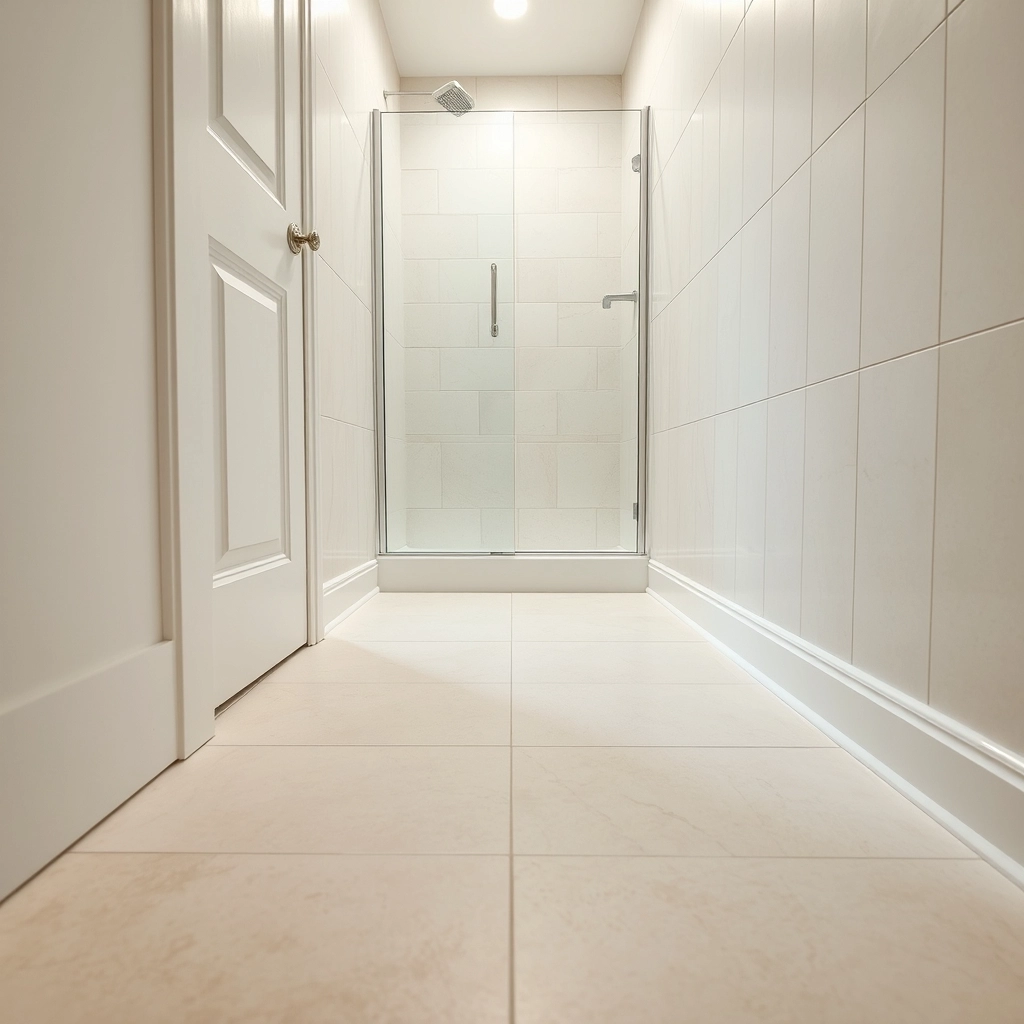
The old rules for small rooms are complete garbage. People think small room, small tile. No. Actually, that just creates a massive, busy grid of grout lines. It is visual noise. The most significant trend for 2026 is rejecting that idea entirely. Using large-format tiles in a compact room reduces the number of grout lines. This creates a continuous, unbroken visual plane. It makes the room feel way larger than it really is.
This approach stops the visual clutter. It allows your eye to travel across the floor without the interruption of a grid. When there are fewer lines for your brain to process, you perceive the floor as a single, expansive surface. This is a number one strategy for designers working with tight spaces in city apartments.
Another big trend is using monochromatic color palettes. This is where the floor tile perfectly matches the wall tile. People call it color-drenching. It removes that hard horizontal line where the floor meets the wall. It tricks your brain into seeing more volume. It results in a transition that feels sophisticated and clean.
When you are picking materials for a small space, look at a honed finish. Avoid high-gloss. The soft, matte look of a honed surface diffuses light. It stops those harsh glares that make a small room feel like a hospital or a lab. Plus, matte finishes are way better at hiding water spots. No one wants to see every single drop of water.
If you are struggling with a tiny floor plan, here is how different design choices actually change how you feel when you walk into the room.
| Design Strategy | Visual Result | Maintenance Level |
|---|---|---|
| Large Format Tiles | Expands perceived space | Low due to fewer grout lines |
| Small Mosaic Tiles | Adds texture and detail | High due to many grout lines |
| Vertical Stack Pattern | Makes the room feel longer | Moderate |
My Take
Fewer grout lines mean less scrubbing. It is a ‘win-win’ for your design and your weekend schedule.
Grout Selection
Always match your grout color to the primary shade of your tile to create a seamless, high-end look that hides inevitable wear and makes the space feel expansive.
Modern Bathroom Floor Tile Patterns and Trends
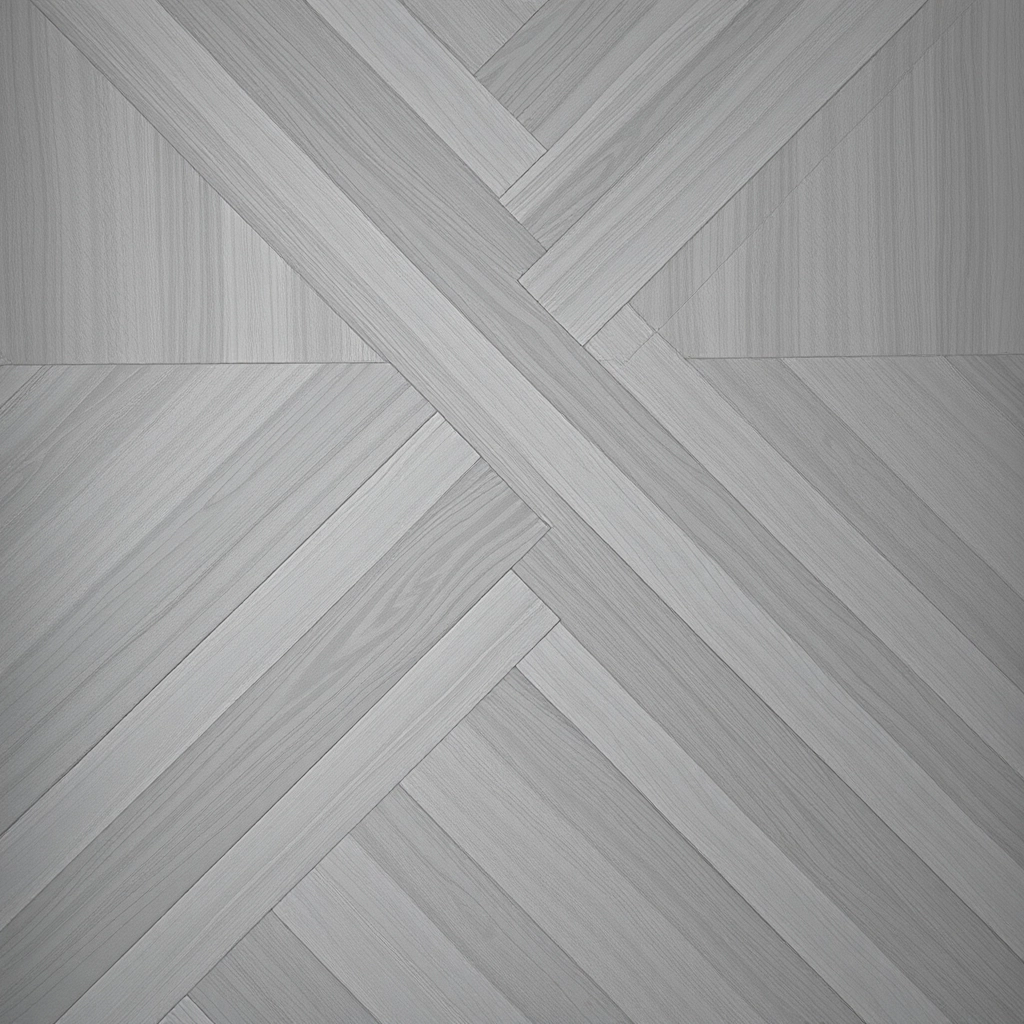
Modern design is moving toward something I call rhythmic complexity. It is about creative installation. Actually, the way a tile is laid is just as important as the tile itself. The herringbone pattern is still a favorite of mine. It is sophisticated. Especially if you use those elongated subway tiles on the floor.
This V-shaped layout adds movement. It can lead your eye toward a specific spot, like a big soaking tub or a custom vanity. The herringbone look provides a luxury aesthetic. It works for traditional houses and new builds. It feels expensive because it takes more work to get right.
The stacked bond pattern is another one I like lately. This is where rectangular tiles are aligned perfectly. Both ways. It creates a clean, architectural grid. It is very deliberate. It is a great choice for people who like a minimalist or mid-century vibe.
For a more organic feel, go with the stretcher bond. That is the classic brick-joint pattern. It is timeless. Actually, the shift in modern trends is moving away from high-contrast grout. We are moving toward tonal harmony. This is where the grout is a quiet supporter. It does not act like a bold outline.
Picking a pattern is a big commitment, so I laid out the most popular layouts I am seeing in high-end builds right now.
| Pattern Name | Visual Energy | Installation Difficulty | Recommended Tile Shape |
|---|---|---|---|
| Herringbone | High and Dynamic | High | Rectangular planks |
| Stacked Bond | Low and Orderly | Moderate | Large rectangles |
| Stretcher Bond | Balanced and Classic | Low | Standard subway or large format |
| Basketweave | Traditional and Busy | High | Small rectangles and squares |
My Take
If you want that ‘custom architect’ look, go with the stacked bond. It is clean, modern, and surprisingly affordable to install.
Large Format Porcelain Bathroom Floor Tiles
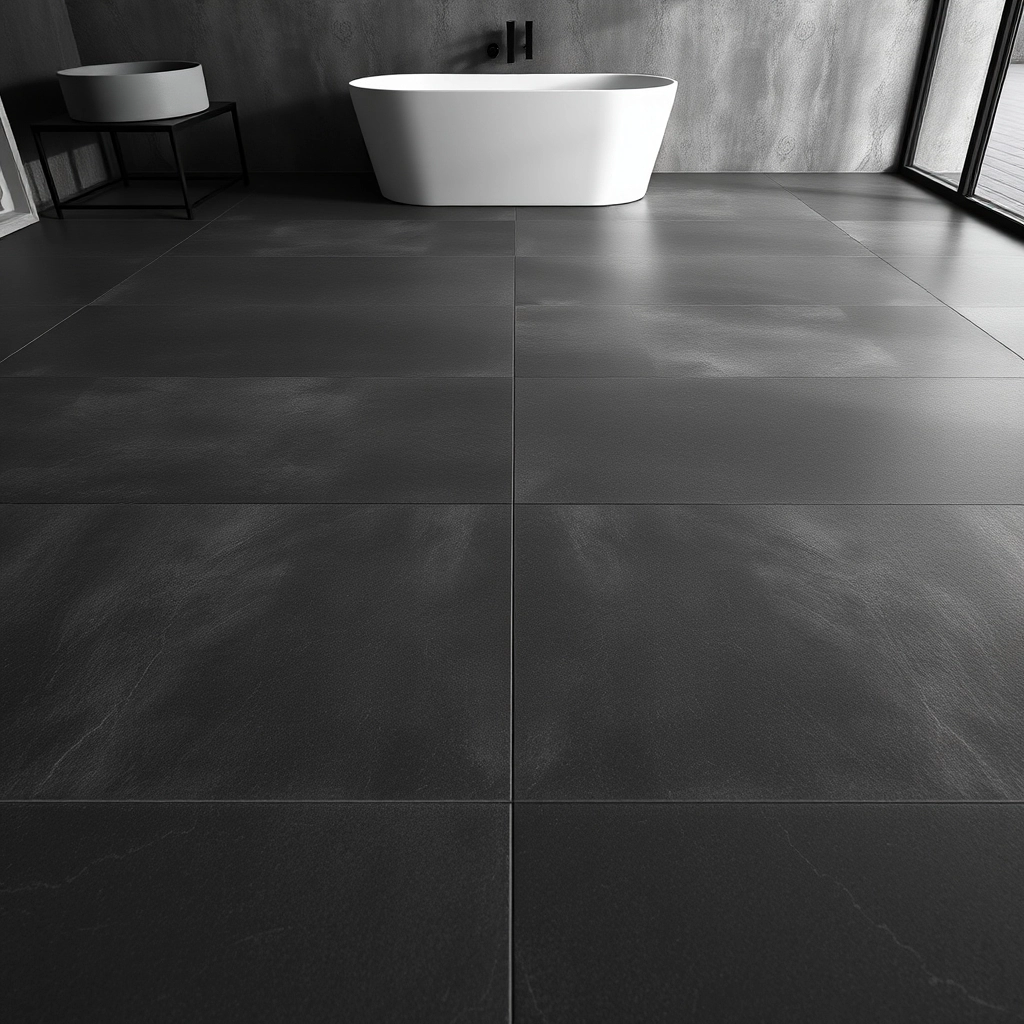
Large format porcelain is the top of the mountain for bathroom floor tile ideas. It is versatile. It has very low maintenance needs. These tiles are huge. Often twenty-four by forty-eight inches. They provide a sleek surface. Because porcelain can look like almost any stone, you get the luxury of marble without the nightmare of sealing it every year.
Actually, the big technical advantage here is fewer grout joints. Grout is the weakest part of any floor. It is porous. It stains. It grows mold if you do not stay on top of it. By cutting down on those joints, you get a surface that is more hygienic. It is much easier to scrub. This is a big win for anyone with kids or dogs.
When you use these massive pieces, the subfloor has to be perfect. Any little dip or peak will cause lippage. That is when the edge of one tile sits higher than the next one. It is a tripping hazard. It is a visual flaw. It is almost impossible to fix once the thin-set has dried.
Good installers use leveling systems. These are little clips that keep every large tile flush. This precision is what gives high-end bathrooms their polished look. The material might cost more upfront, but the lack of maintenance makes it a smart choice over time.
Subfloor Preparation
Large format tiles require a perfectly flat subfloor to prevent lippage and cracking, so never skip the self-leveling underlayment phase.
Hexagon and Geometric Bathroom Floor Tile Ideas
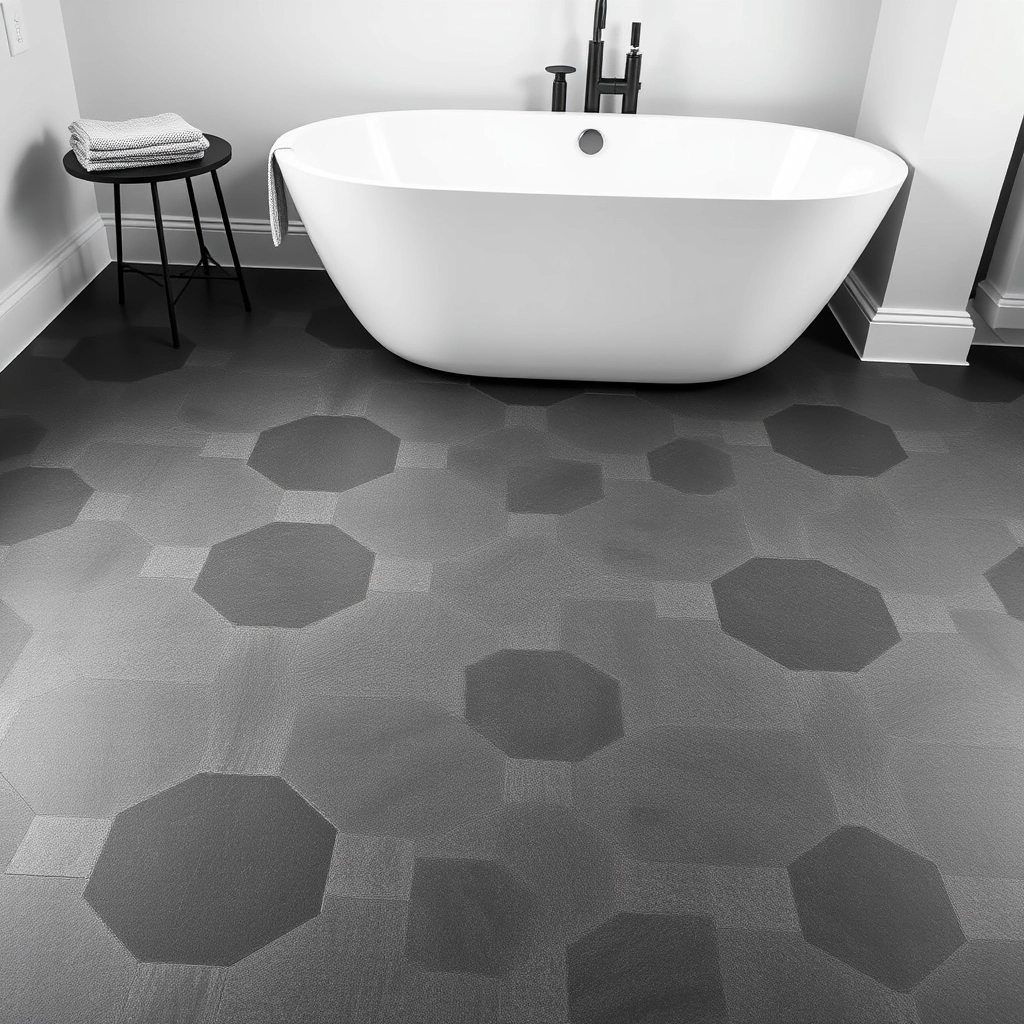
Geometric tiles are a fun way to show some personality. Particularly hexagons. Actually, the hexagon shape is self-spacing. This makes it stable and look great. Lately, we are seeing oversized hexagons. It is a modern twist on those tiny old penny tiles.
These larger shapes feel more grounded. They are not as busy. They work for floors and walls. They are a unique way to use geometry without the floor feeling like it is vibrating. Large hexagons in a dark slate look really earthy. They ground a master suite.
I am also seeing people do transition floors. This is where geometric tiles bleed into another material like wood-look porcelain. It looks artistic. It is a custom look. It is popular for open-concept bathrooms where the wet zone meets a dressing room.
Geometric patterns also let you do tile rugs. This is where a specific pattern is framed by solid tiles. It adds a layer of luxury. It looks like an expensive rug but it is totally waterproof. It defines different zones. Like the space right in front of your vanity.
Marble Look Bathroom Floor Tile Designs
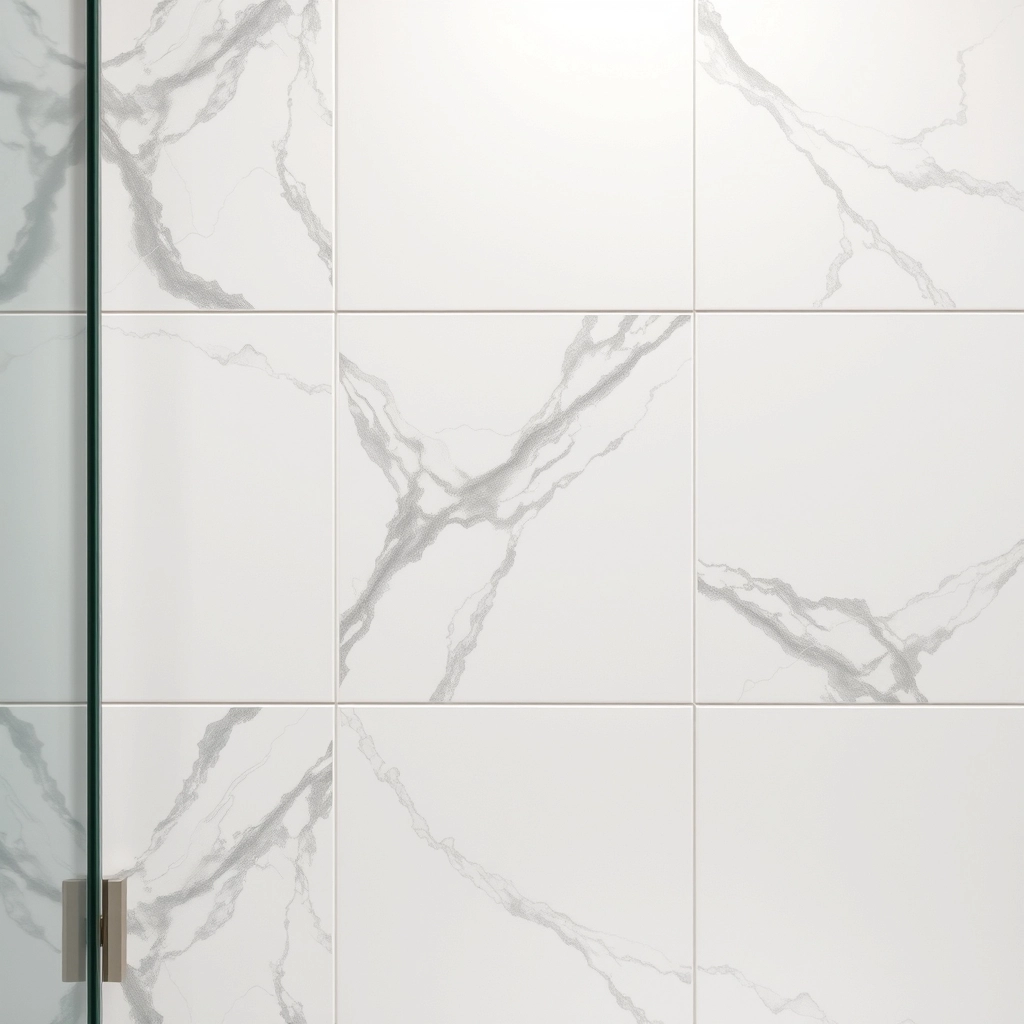
Everyone wants the look of marble. It is eternal. But the maintenance is a literal nightmare. Actually, digital printing has changed the game. Manufacturers now make marble-look tiles that you cannot distinguish from the real stone. They get the grey veining of Carrara perfectly. They get the gold streaks of Calacatta too.
They do this without the risk of etching. Natural marble is a calcite-based stone. That means it reacts to acid. Even your shampoo can ruin it. Porcelain does not have that weakness. It is a much safer choice for a shower floor. It won’t stain when you drop your face wash.
When you buy marble-look tile, look for high variance. This means every tile has a different pattern. You want to avoid the stamped look. That happens when the same vein pattern repeats over and over. A high-quality porcelain will have dozens of different faces.
This variety makes the final job look natural. For the best feel, pick a satin finish. It gives a soft glow. It feels velvety under your feet. Satin finishes also have better slip resistance than polished marble. It is a smart choice for anyone worried about safety.
I get asked about real stone versus porcelain every single day,