





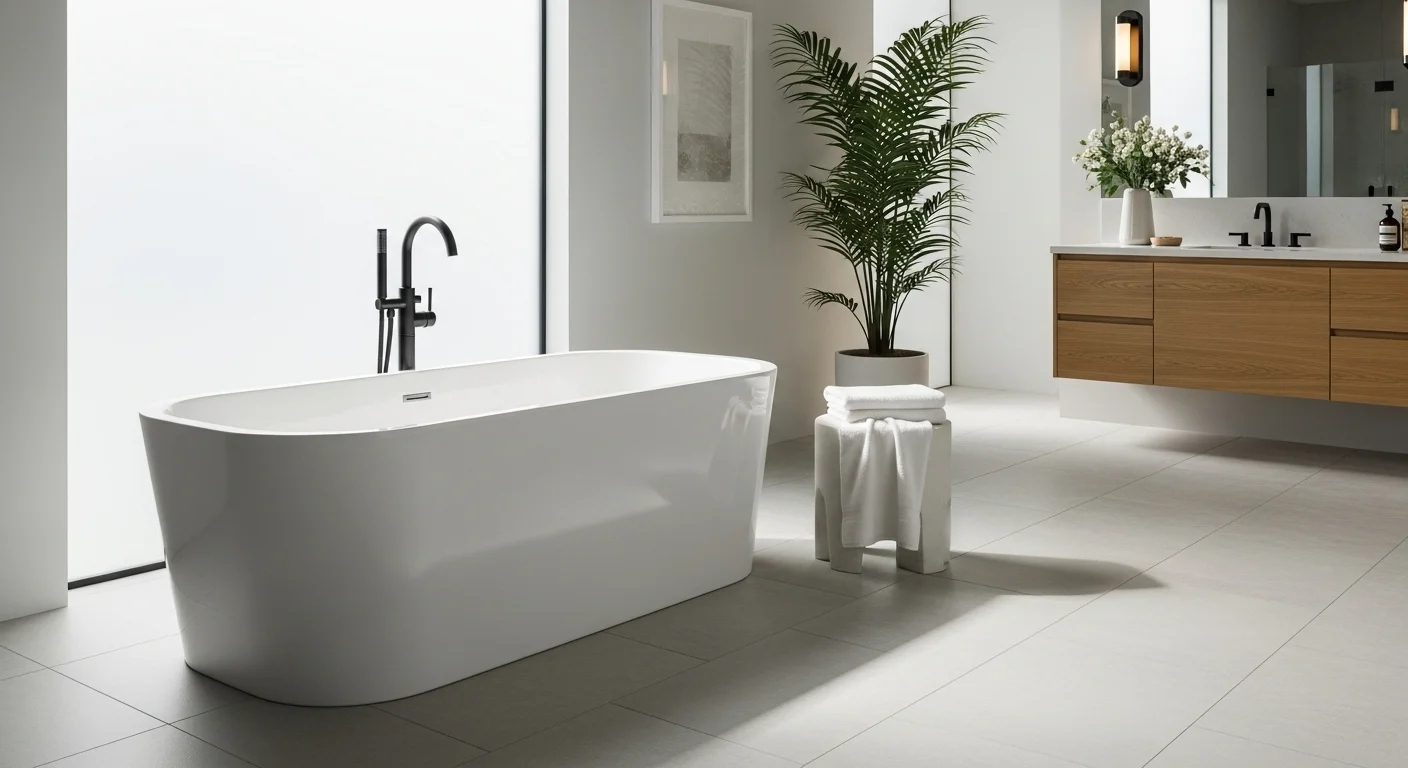

Yeah, people always ask. Mike, what’s a good brand? And sure enough, the conversation gets around to american standard bathtubs. Been putting them in since ’98, feels like. They’re just a solid, no-nonsense choice. They make everything. From the simple tub you’d slap into a rental unit to these massive spa things that cost a fortune. So you have options.
But that’s the problem. Too many choices. I’ve installed hundreds of ’em. I know which ones will have you cursing in a crawlspace and which ones just… work. This is the real story, not what some guy in a showroom tells you. It’s about what happens on a Tuesday morning when the tub shows up and you’ve got to make it fit.
Freestanding Tubs: Style and Installation Realities
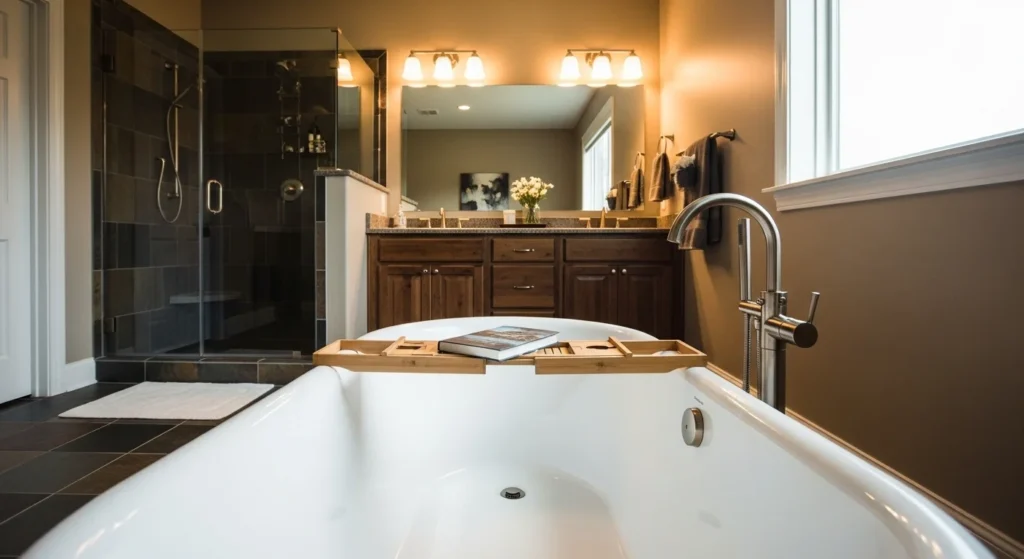
Sure, the freestanding tubs look amazing. Everyone wants one. It’s the centerpiece of the whole room, I get it. Some of the American Standard ones are real lookers. They’re usually acrylic. Good material. Not freezing cold on your back like the old tubs. And easier to clean. Supposedly.
Here’s the part they don’t tell you in the brochure. Lightweight. Right. It’s still a beast to get up the stairs. Don’t kid yourself. But the real headache is the plumbing. Your drain and your water lines have to come through the floor in one. Exact. Spot. If you’re on a slab, get ready for a mess. If you’re on a second floor, well, Bob the plumber is going to be cutting a huge hole in your living room ceiling. No way around it.
To make this a bit clearer, here’s the sales pitch versus the on-the-job reality:
| The Selling Point | The Contractor’s Headache |
|---|---|
| Stunning Centerpiece | Requires a finished floor underneath and all around it. More expensive. |
| Lightweight Acrylic | Still a two-man job, minimum. And it’s awkward to carry. |
| Flexible Placement | Plumbing must be perfect. Zero wiggle room. Big plumbing bill. |
| Spa-like Feel | The floor joists underneath might not be ready for the extra weight. |
My Take: They look great, no doubt. Just make sure your budget includes a good plumber and maybe a carpenter to reinforce the floor. It’s never just the cost of the tub.
And the floor. You have to think about the floor. A tub full of water is heavy. You, in the tub, are heavy. It all adds up. I always go underneath and check the joists. Remember this one house, the one with the floor that sloped a full inch? They wanted one of these tubs. I just told ’em no. You don’t want your fancy new tub ending up in the kitchen a year from now.
Alcove and Drop-In Tubs: The Practical Choice
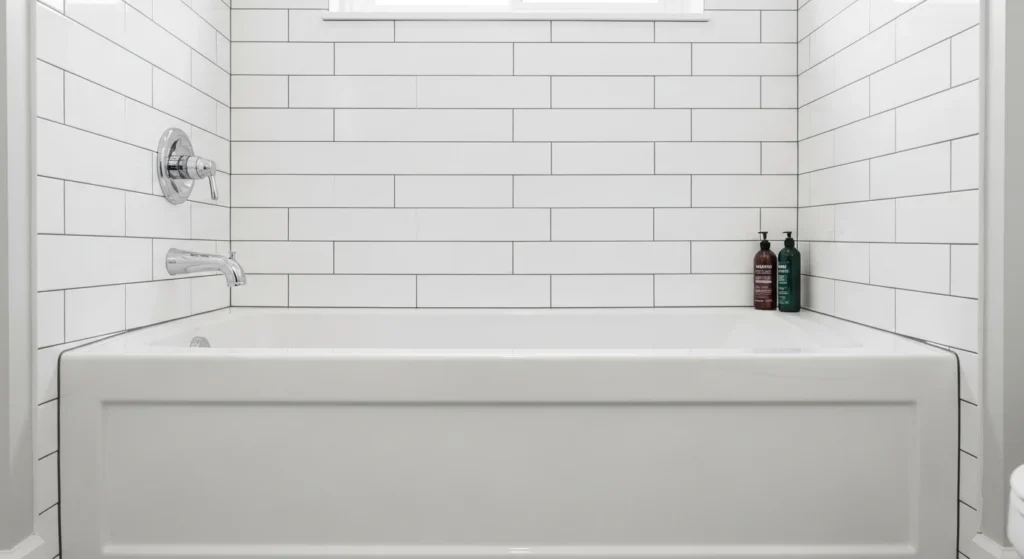
Okay, back to reality. For ninety percent of jobs, you’re using an alcove tub. The one that’s tucked between three walls. It’s the standard for a reason. And the most important part of that whole setup is the tile flange. It’s a little lip that turns up against the studs.
That’s it.
That’s the thing that stops water from getting in your walls and turning everything to black moldy mush. You get that wrong, the whole bathroom is a ticking time bomb. Seriously.
This is where you see their special material, Americast. It’s their thing. A steel core, porcelain top, and some structural stuff on the bottom. It’s actually a pretty smart idea. It’s not as heavy as real cast iron. Thank God. But it doesn’t have that hollow, plastic-y feel you get with some cheap acrylic tubs. A nice middle ground. Feels solid when you stand in it. The the main thing is it holds heat pretty well. Drop-ins? Same tub, basically, but without the front skirt. You build a whole tiled platform for it. Looks nice, but it’s a bigger job.
Deep Soaking Tubs: What to Know Before You Buy
Ah, the soaking tub. I hear this all the time. We want a soaking tub. What they mean is they want a *deep* tub. Your basic tub-shower combo is shallow. These are deeper. The whole trick, the entire ‘secret’, is just that they put the overflow drain higher up the side. That’s it. Lets you put more water in before it goes down the drain. It’s not rocket science.
So you think you’re getting this amazing deep tub. But wait. The tub itself is taller, so your spout rough-in might be in the wrong place. Easy enough to fix. The bigger problem—and nobody ever thinks of this—is your water heater. You got a standard 40-gallon tank? Forget it. That tub will drink every last drop of hot water before it’s even half full. You’ll be sitting in a lukewarm puddle wondering what happened. I tell everyone, you buy one of these, you better budget for a bigger water heater or a tankless unit. Period. Otherwise, what’s the point?
Whirlpool and Air Baths: Creating a Home Spa
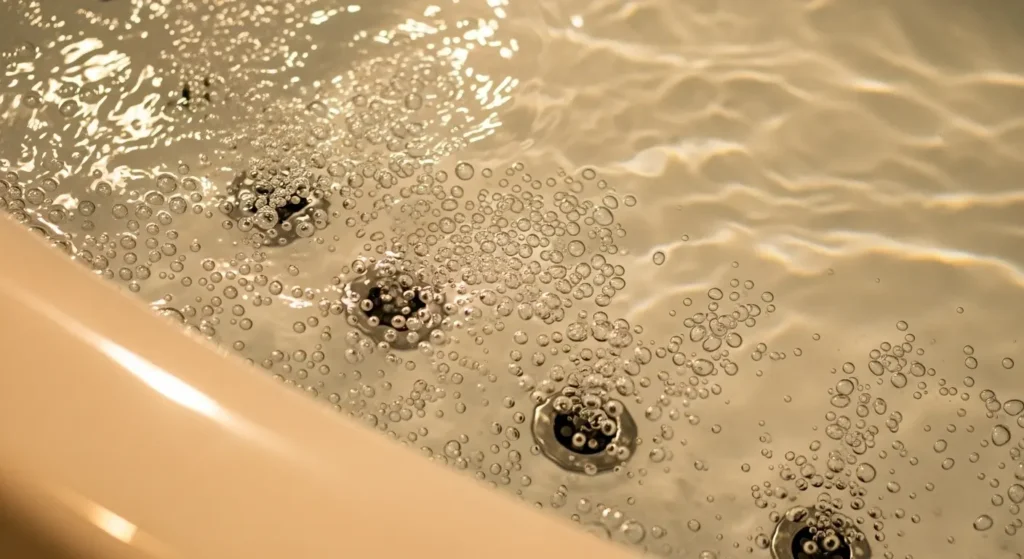
And then there’s the jetted tubs. The spa-in-a-box dream. Two kinds, basically. Whirlpool, which is strong jets of water that pummel you. And air baths, which are little holes that blow heated air for a gentler bubble. From my end, they’re the same headache. Both need a dedicated circuit, a GFCI breaker. Get an electrician. Don’t mess with water and electricity.
Look, the specs can get confusing. Let’s put them side-by-side so you know what you’re asking for.
| Feature | Whirlpool Tub | Air Bath |
|---|---|---|
| The Feel | Strong, targeted water jets. Like a deep massage. | Gentle, all-over bubbling. More like champagne. |
| The Noise | You’ll hear the pump motor humming. | You’ll hear the air blower. Both make noise. |
| Maintenance | Needs regular cleaning cycles to flush gunk from the pipes. | Dries itself out with a purge cycle. Less internal gunk. |
| Installation | Needs a dedicated electrical circuit and an access panel for the pump. | Needs a dedicated electrical circuit and an access panel for the blower. |
Pro-Tip: If you hate cleaning, the air bath might be the better bet. Fewer places for gunk to hide. But if you want a real deep-tissue massage feel, you want the whirlpool.
And you need an access panel. I’m not kidding. It’s not a suggestion. The pump will fail. It’s a question of when, not if. You need to be able to get to it.
I fight this battle on every single jetted tub job. Can’t we just tile over the access panel? No. You can’t. You do that, and when—not if—that motor dies, you’re paying me to demo your brand new tile wall. A simple repair becomes a thousand-dollar disaster. Just… don’t. As for the pipes, some of their whirlpools have this ‘EverClean’ stuff. It’s supposed to stop the black gunk from growing in the lines. Does it work? I don’t know, maybe. Can’t hurt.
Choosing the Right Size and Drain Location
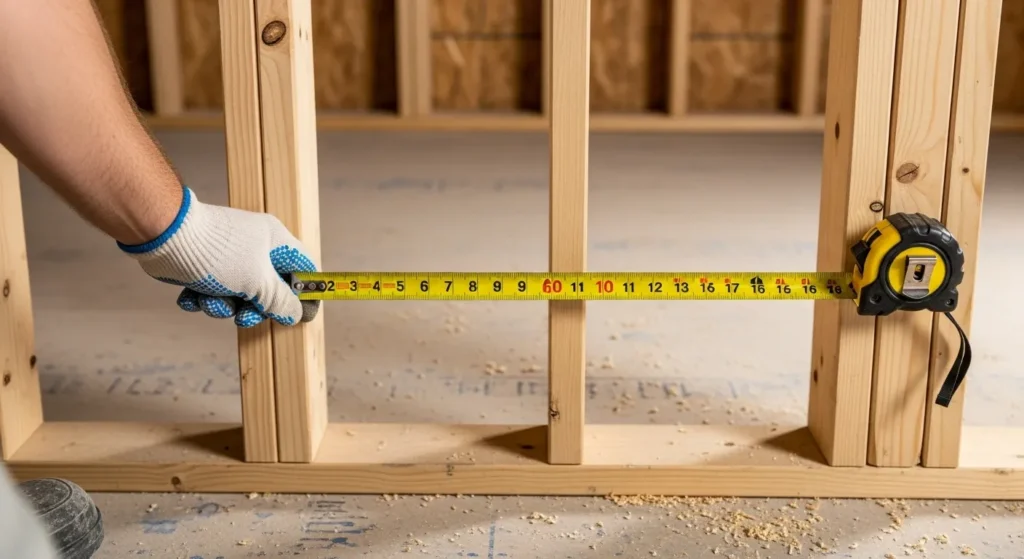
This should be common sense. But it isn’t. You find a tub you love. It’s 60 by 32. Great. Your alcove is 60 and a quarter. Perfect. But your bathroom doorway is only 29 inches wide. What now? I’ve seen it happen. A job over on Pine Street. We had to take the door frame completely off, and it still barely scraped through. Measure the tub, yes. But then measure every doorway, hallway, and staircase between the delivery truck and the bathroom. Or you’re going to have a very bad day.
And the drain. Don’t screw this up. It’s either left-hand or right-hand. Look at your bathroom. Where is the drain pipe coming out of the floor? That’s the one you order. End of story. Get it wrong and it’s a huge, expensive plumbing mess.
With freestanding tubs you have more leeway, sure, because the plumbing isn’t there yet. But you still have to plan it. The plumber needs to know where that drain is going to be. It’s all about planning. Just measure. Double check. It’s not hard.
Choosing the Right American Standard Bathtub for You
Look, it’s your bathroom. You have to balance what you want it to look like with your budget and what your house can actually handle. American standard bathtubs have an option for just about everyone. They’re a solid choice.
Just know what you’re getting into. A pretty tub that’s installed wrong is just an expensive, leaky box. The installation matters more than the brand, anyway.