






Look, most bathroom budgets are pure fiction. I’m typing this while staring at a quote that’s basically a fairy tale and it’s the same story every single time. You see a master bathroom remodel cost number and think okay I can swing that. Then you rip up one tile. Just one. And suddenly you’re staring at rot that’s been sitting there since the nineties. It’s a mess. It’s annoying. Just once I want someone to actually look at their subfloor before they spend three grand on a gold-plated showerhead. You have to get real about the numbers or you’ll end up with a half-finished room and a maxed-out credit card. It’s brutal but someone has to say it.
- Understanding the Total Master Bathroom Remodel Cost
- Water Damage and Mold Remediation Costs Behind Walls
- How Structural Integrity Impacts the Master Bathroom Remodel Cost
- Plumbing and Electrical Code Upgrades That Add Thousands
- Permit Fees and Inspection Costs Often Overlooked
- Unexpected Layout Changes That Require Plumbing Relocation
- Key Factors to Consider for Value Optimization
- Conclusion: Finalizing Your Master Bathroom Remodel Cost
Peeling back the first layer of dated ceramic tile often reveals that your initial budget is nothing more than a hopeful guess. The true master bathroom remodel cost rarely aligns with that first quote because the most expensive variables stay invisible until the demolition phase is finished.
For a broader look at the entire process, check out the resource titled The Ultimate Guide to Bathroom Remodeling Costs: Planning and Budgeting to see if your financial expectations match the harsh realities of high-end construction. As an analyst, I see too many homeowners prioritize fancy faucets while their subfloors are actively disintegrating.
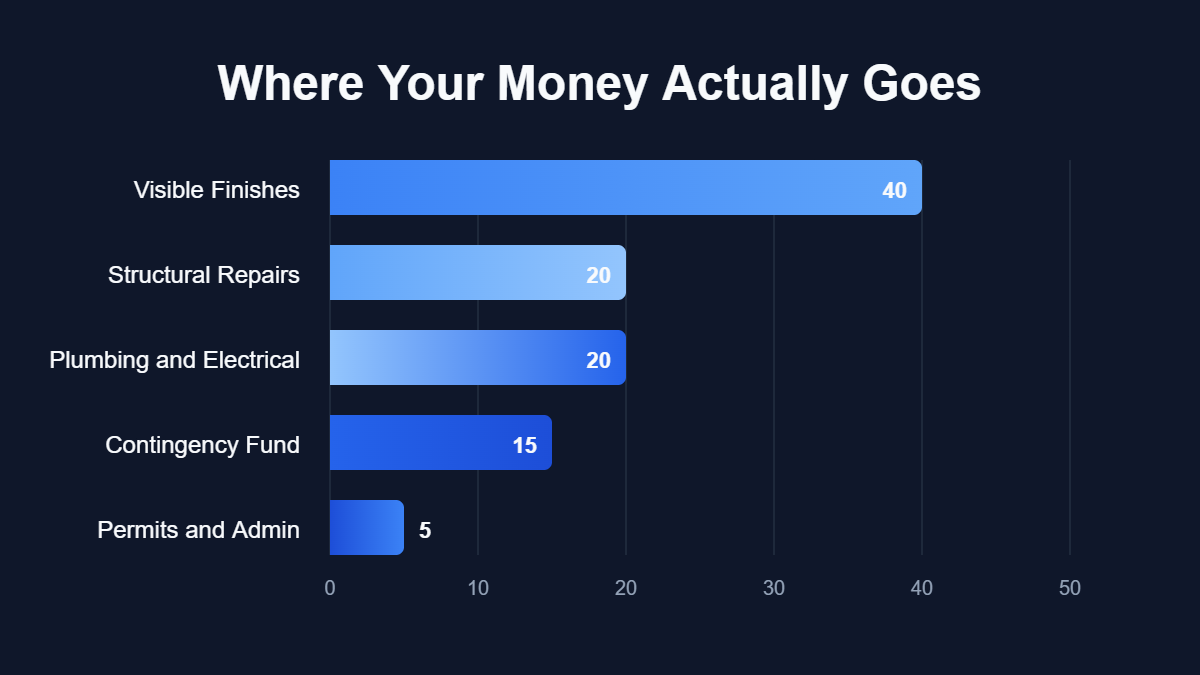
I put together a quick breakdown of where your money actually disappears because most people think it all goes into the shiny stuff.
My Take
The finishes look nice but the infrastructure keeps the house standing. Never steal from the ‘contingency fund’ to buy a better faucet.
Understanding the Total Master Bathroom Remodel Cost
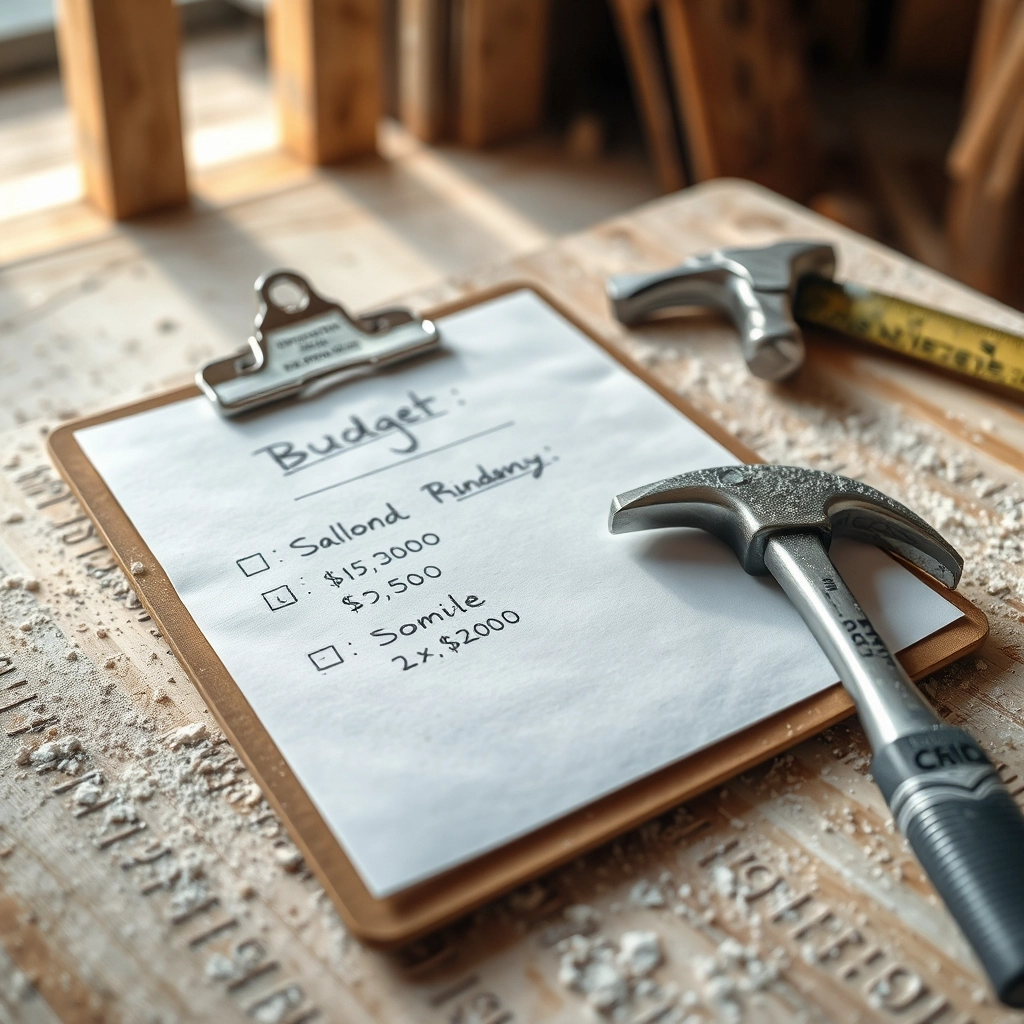
The bottom line for a master suite is dictated by three pillars: structural integrity, code compliance, and layout complexity. While aesthetics drive the emotional desire for a remodel, the non-negotiable expenses typically eat thirty percent of the total investment. Unlike a standard guest bath, a master suite involves higher water volume and more complex electrical loads. This requires a much more heavy-duty infrastructure.
The most successful projects are the ones that set aside a fifteen percent contingency fund specifically for behind the wall disasters. A typical budget for a high-end suite follows a specific distribution that many homeowners overlook. Visible finishes like tile and vanities account for forty percent of the spend. Structural repairs and plumbing or electrical upgrades each take up twenty percent of the total. Permits and administrative fees usually consume five percent. The necessary fifteen percent is reserved for contingencies.
Don’t skip that buffer. You’ll regret it.
Water Damage and Mold Remediation Costs Behind Walls
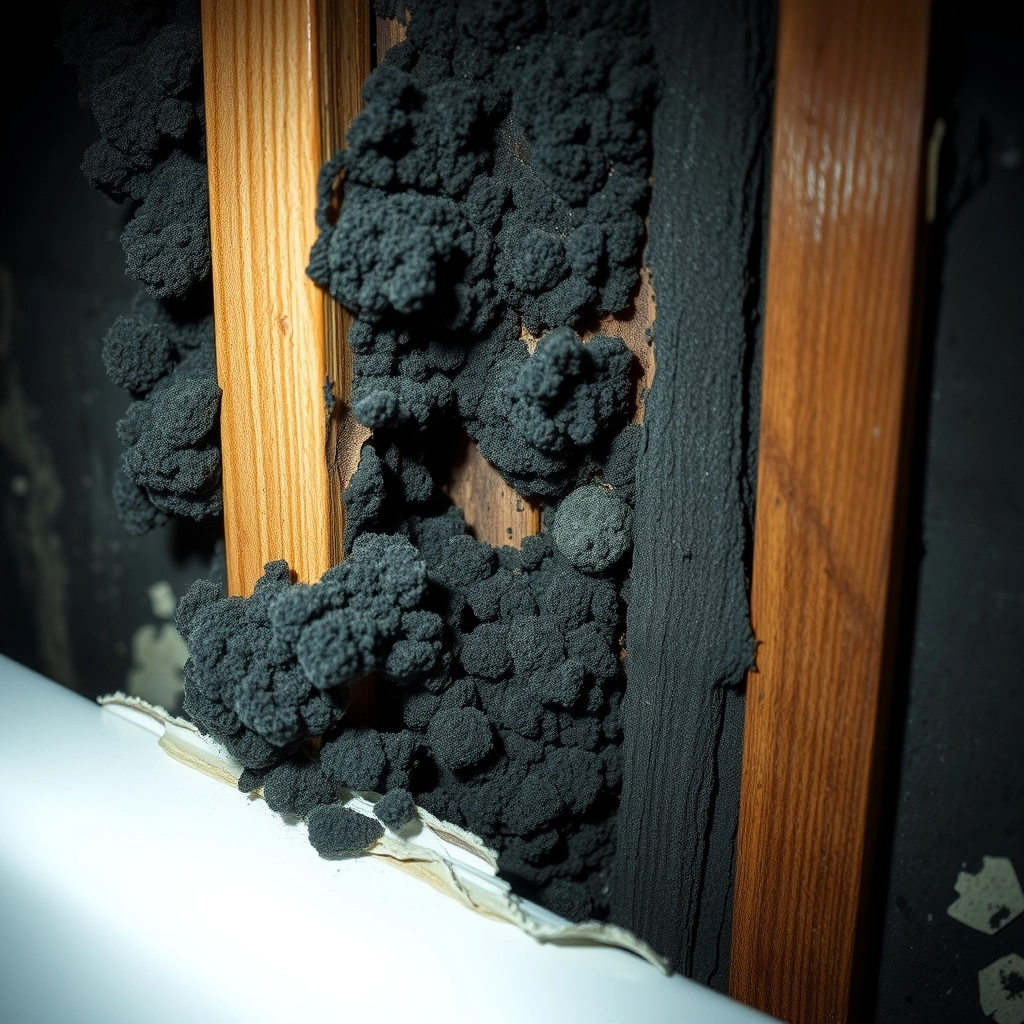
Moisture is a silent financial predator. It travels through microscopic cracks in old grout and settles into the wall cavities. I was looking at a project for Violet Romero recently, she’s over in Warrnambool, and what looked like a quick vanity swap turned into a full-blown hazmat situation. A leaking shut-off valve had been feeding black mold behind the drywall for years.
When you calculate your master bathroom remodel cost, you have to account for the possibility of professional mold remediation. This can add several thousand dollars to your budget instantly. Unlike surface mildew, deep-seated mold requires specialized equipment and certified techs to make sure the air quality of your home is not ruined.
The Moisture Trap
Never assume a wall is dry just because there are no visible stains on the ‘exterior paint’ or tile surface.
If you are wondering how a small leak turns into a giant bill, look at these common remediation scenarios I deal with.
| Condition | Typical Action | Estimated Impact |
|---|---|---|
| Surface Mildew | Professional Cleaning | Low Cost |
| Subfloor Rot | Structural Replacement | High Cost |
| Black Mold | Certified Remediation | Very High Cost |
My Take
If the wood feels soft under the tile, stop immediately. You are looking at a ‘structural replacement’ scenario.
How Structural Integrity Impacts the Master Bathroom Remodel Cost
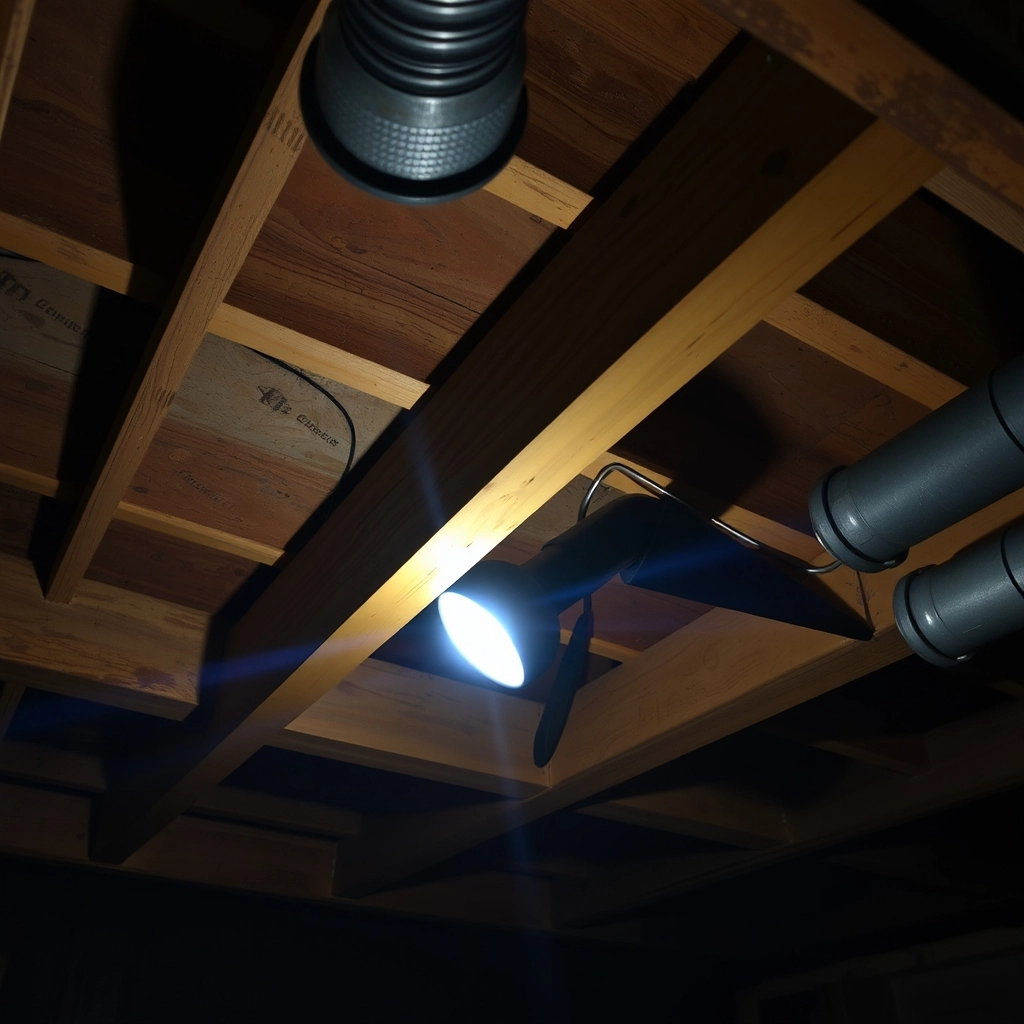
The weight of modern luxury is heavy. Seriously. If you plan to install a freestanding soaking tub or heavy natural stone slabs, your existing floor joists might not be enough. Modern master bathrooms often require structural reinforcement to stop the floor from sagging under the massive load of a full tub.
This structural work involves sistering joists or adding support beams from the floor below. It increases labor hours significantly. If you ignore this reality, you risk cracked tiles and grout lines within the first year. Reinforcing a floor can add two thousand to five thousand dollars depending on how easy it is to get to the joists from the ceiling below.
Here is a quick look at how much weight we are talking about when you pick out those fancy fixtures.
| Fixture Type | Weight When Full | Support Needed |
|---|---|---|
| Standard Alcove Tub | 500 Pounds | Standard Joists |
| Cast Iron Soaking Tub | 1000 Pounds | Reinforced Joists |
| Natural Stone Slab Shower | 1500 Pounds | Steel or Double Joists |
My Take
Check your ‘floor joists’ before you buy that stone tub or you might find it in your kitchen next week.
Plumbing and Electrical Code Upgrades That Add Thousands
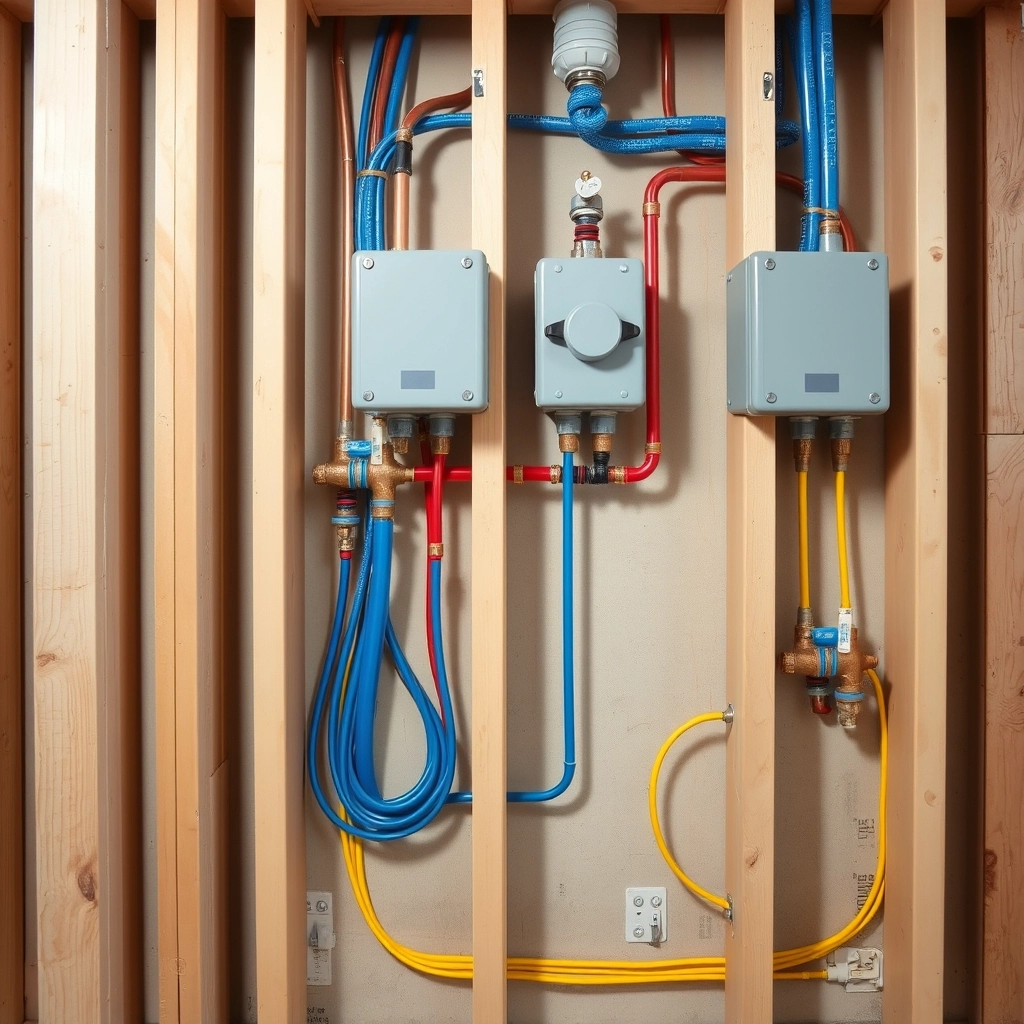
Your existing plumbing and electrical systems are likely grandfathered in under old building codes. These are no longer acceptable during a full-scale renovation. A master suite usually requires a dedicated twenty-amp circuit for high-wattage hair dryers and heated floors. This requirement might mean you need a full electrical panel upgrade if your current system is at capacity.
Similarly, older homes often have two-inch drain lines. These must be upgraded to three-inch lines to accommodate high-flow shower systems and multiple body sprays. These invisible upgrades provide zero visual value but are vital for the safety and functionality of the space. Ignoring these codes leads to failed inspections and expensive rework later.
Electrical Foresight
Always run a dedicated circuit for your vanity area to prevent frequent breaker trips when using ‘multiple styling tools’ at once.
Permit Fees and Inspection Costs Often Overlooked
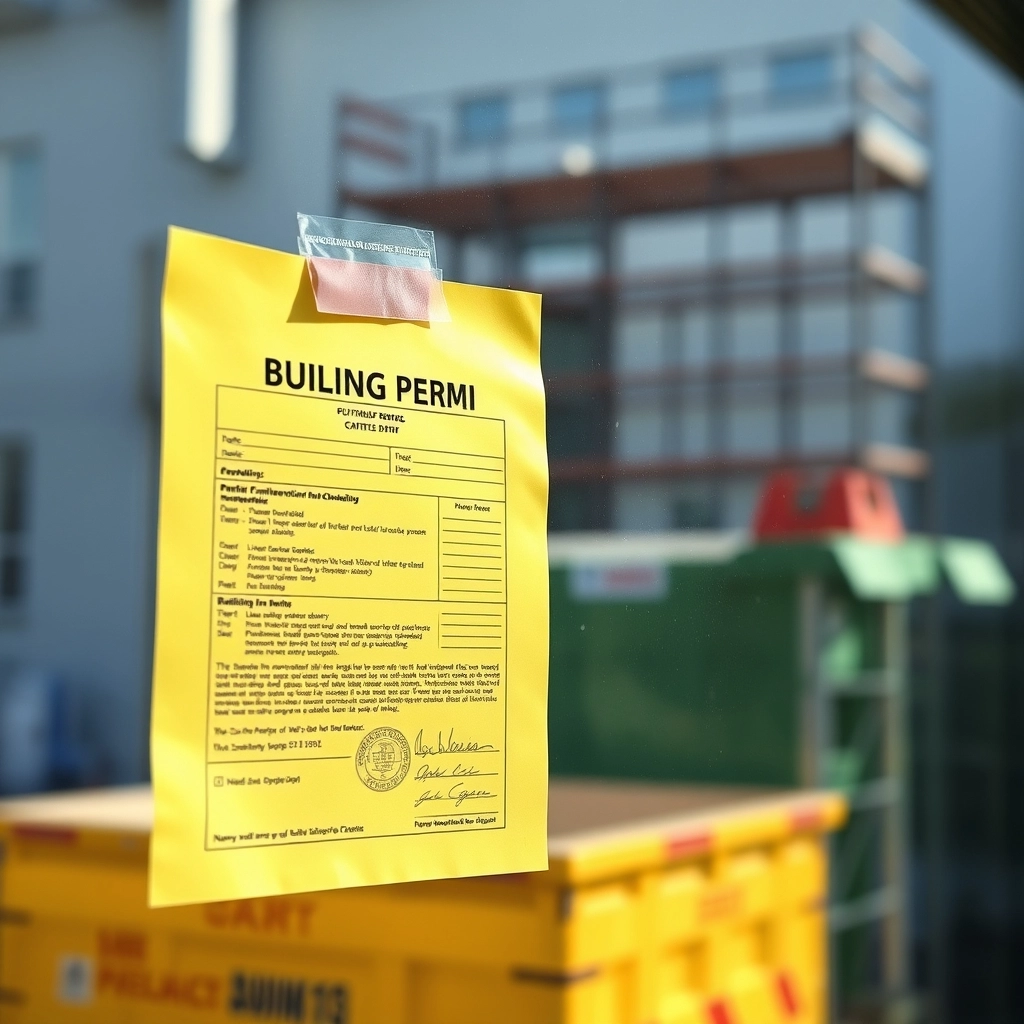
Many homeowners try to skip the permitting process to save money. This is a high-risk gamble. In many towns, permit fees are calculated based on the total project value. This means a high-end master remodel carries a much higher administrative cost than a basic powder room update.
Furthermore, municipal inspectors may make you open up walls that were already closed if they weren’t there to verify the rough-in work. These inspection delays stall your timeline and increase the holding costs of your project. This is especially true if you are paying for a hotel or rental during the construction phase.
Unexpected Layout Changes That Require Plumbing Relocation
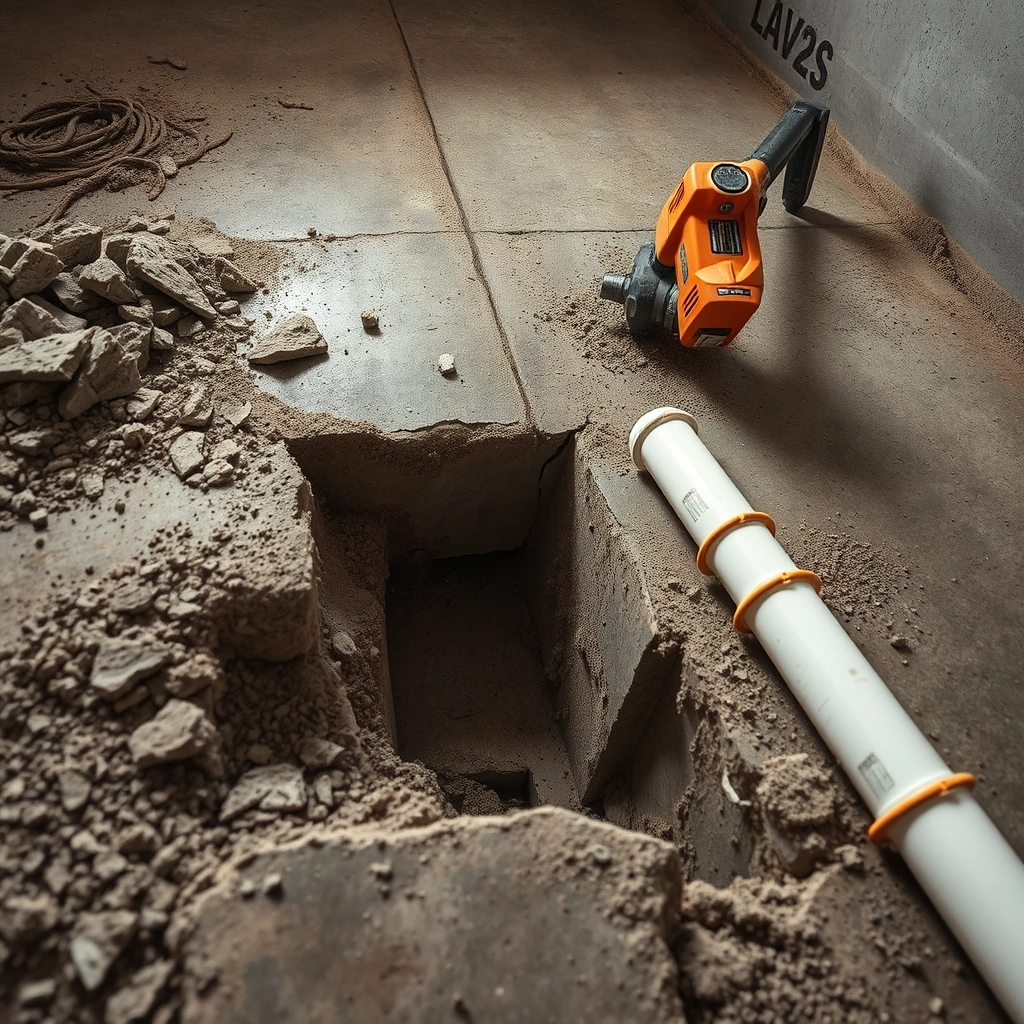
Moving a toilet just twelve inches can cost as much as the toilet itself. It’s the complexity of rerouting the waste stack and vent lines. Unlike a kitchen where pipes are often accessible through a crawlspace, master bathrooms are frequently on second floors. The plumbing is buried between floor levels.
If your dream layout requires moving the shower or toilet, expect the master bathroom remodel cost to jump by twenty percent. The best value choice is often to keep the existing footprint and invest the savings into better materials. Rerouting plumbing in a concrete slab foundation is even more expensive. It requires jackhammering and extensive patchwork.
The Drain Rule
Gravity dictates the cost of plumbing; the further you move a drain from the ‘main stack’, the more expensive the slope becomes.
People ask me all the time if moving the toilet is worth it. Here is the reality of the labor involved.
| Project Move | Complexity | Cost Impact |
|---|---|---|
| Same Location | Low | Baseline |
| Move Toilet 12 Inches | High | Significant Increase |
| Relocate Main Drain | Extreme | Massive Increase |
My Take
Keep the ‘wet wall’ where it is if you want to stay on budget. Moving pipes is the fastest way to go broke.
Key Factors to Consider for Value Optimization
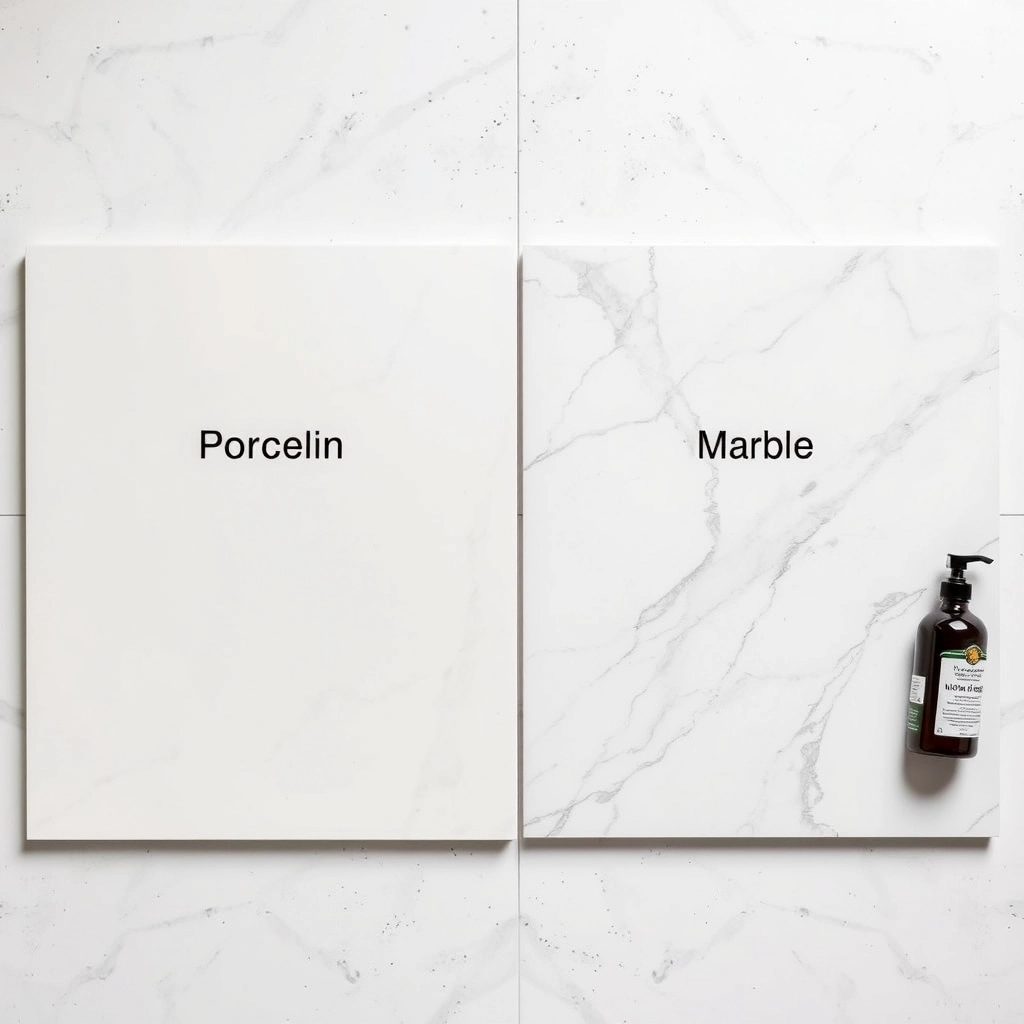
When comparing options, you have to decide between aesthetic longevity and initial price point. For example, porcelain tile is a better value choice than natural marble. It requires zero maintenance and is far more durable in high-moisture environments. Marble is porous and needs regular sealing to stop staining.
Similarly, opting for a high-quality waterproofing membrane system behind your tile is a much smarter investment than a designer faucet. Focus your spending on the stuff that is hard to change later. This includes internal valves, the subfloor, and the waterproofing. These components guarantee the longevity of your investment. They prevent future structural failures.
I compared two of the most common material choices so you can see why I prefer the practical stuff.
| Feature | Porcelain Tile | Natural Marble |
|---|---|---|
| Initial Cost | Moderate | High |
| Maintenance | Low | Very High |
| Durability | Excellent | Prone to Staining |
| Best For | High Traffic | Luxury Accents |
My Take
Go with ‘porcelain’ for the floor and walls. Use the real stone for a small accent if you must have it.
Conclusion: Finalizing Your Master Bathroom Remodel Cost

Getting through the financial mess of a high-end renovation requires a mix of pragmatism and prep work. By admitting that your master bathroom remodel cost is influenced by things hidden behind the walls, you can build a better budget. Do not let the excitement of new finishes distract you from the infrastructure that keeps your home dry.
The goal is not just a pretty room. It’s a structurally sound environment that protects your home value. Prioritize the infrastructure, respect the building codes, and always keep a healthy contingency fund for the weird stuff. Explore