






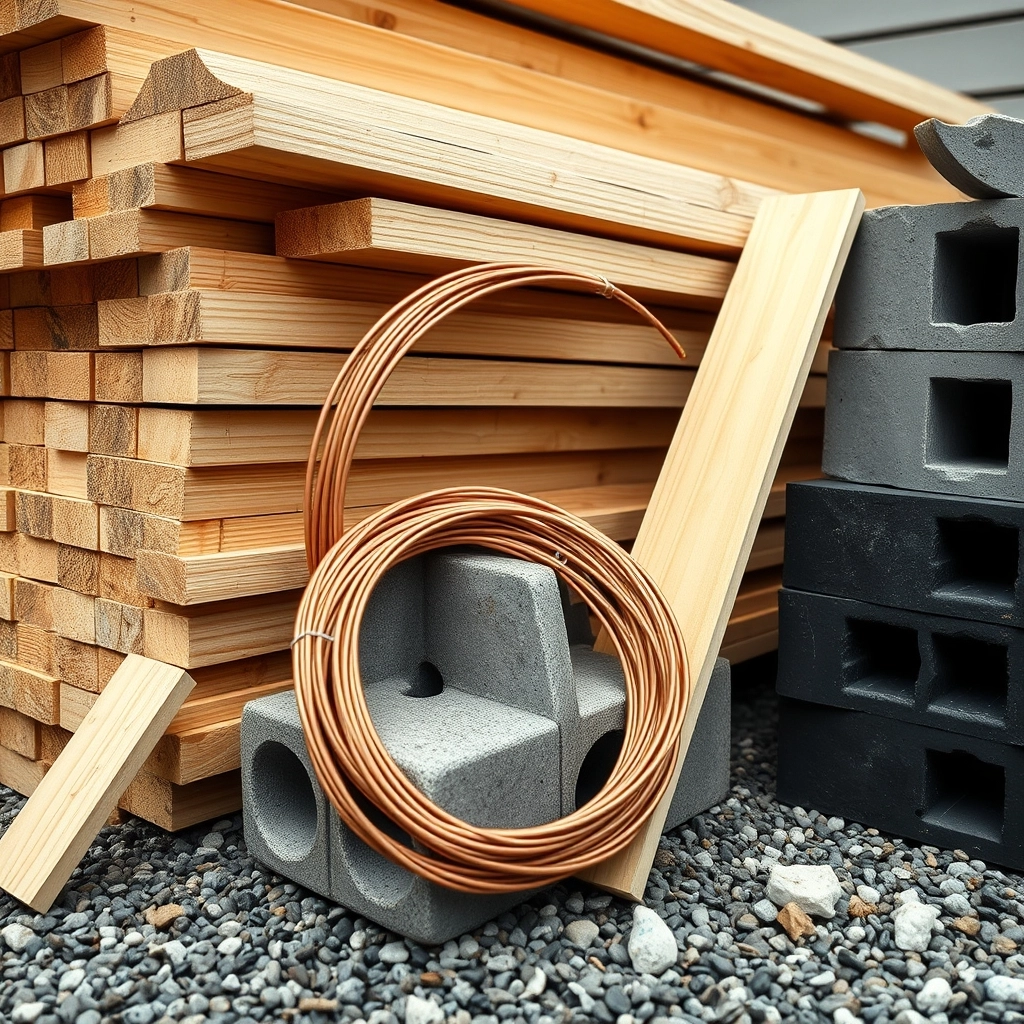
Most people have absolutely no clue what they are actually buying when they look at a renovation quote. They see a pretty picture in a magazine and forget that there is actual copper, heavy timber, and expensive labor behind those walls. I am literally typing this on my phone while sitting in my truck because I just left a site where the owner thought a suite addition was a quick three-week job. It is not.
I had to tell Diana Carlson over on Daisy Dr in Launceston that her simple room extension was going to require a massive HVAC reroute she hadn’t even thought about. Most folks get hit with pricing whiplash because they don’t see the invisible variables. They focus on the tile and forget the foundation. If you want the real story on numbers, you should look at our The Ultimate Guide to Bathroom Remodeling Costs: Planning and Budgeting.
Understanding the Basics of a Master Suite Addition
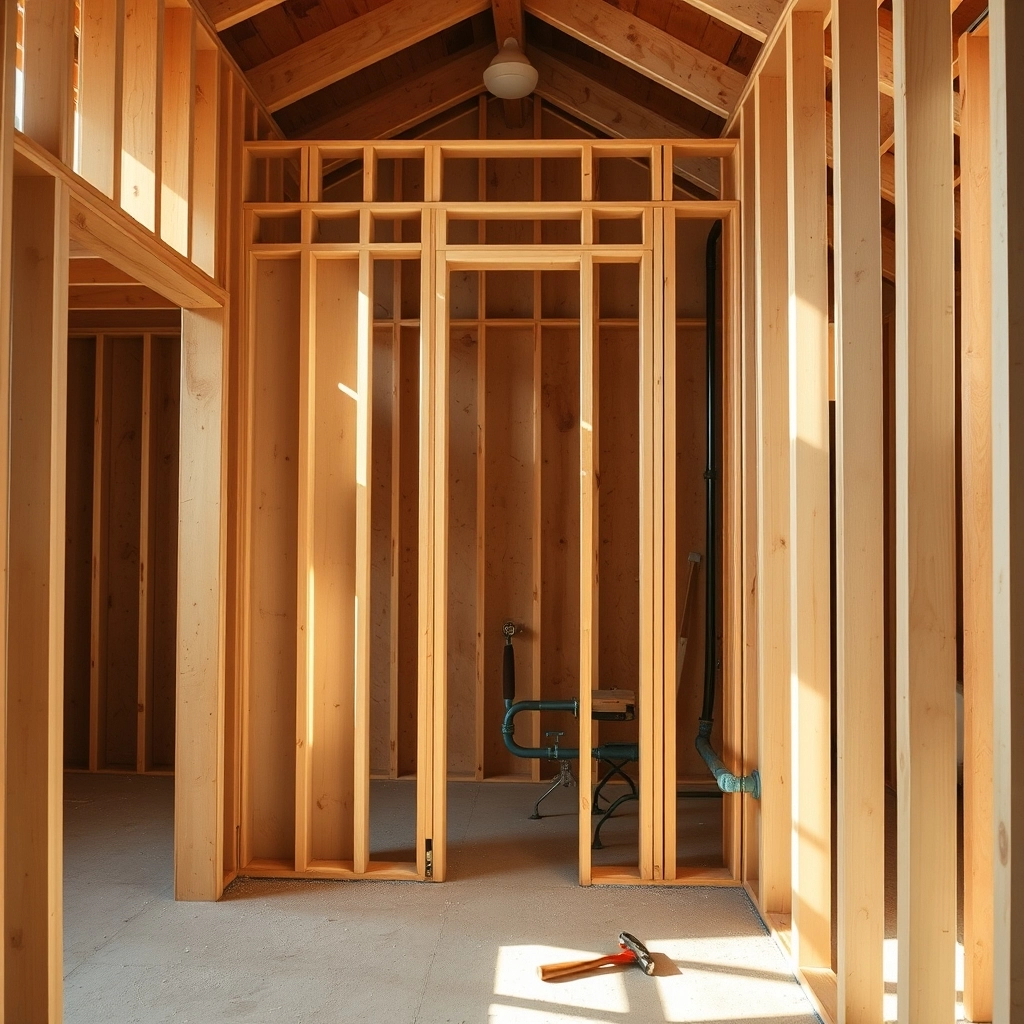
A master suite is not just a big bedroom. If you think that, you are already losing money. It is basically a small, self-contained apartment built into your existing house. You have a sleeping area, a walk-in closet, and a full bathroom. That wet space—the bathroom—is what kills the budget. Moving water and waste is expensive. It is much harder than just throwing up some studs and drywall for a guest room.
When we mapped things out for Diana Carlson, the complexity became clear fast. You cannot just add a room and expect the plumbing to magically appear. You have to think about where the pipes go and how they connect to the main line. This is why a real master suite costs way more than a simple bedroom. Homeowners need to realize this before they start calling contractors and getting their feelings hurt by the price.
I have seen too many people start a project without a clear breakdown of the risk centers they are actually paying for, so I put this together to show you the three main components of a suite.
| Suite Component | Essential Requirement | Cost Level |
|---|---|---|
| Sleeping Area | Framing and Insulation | Moderate |
| Walk in Closet | Custom Shelving and Lighting | Low to Moderate |
| Master Bathroom | Plumbing and Waterproofing | Very High |
My Take
The bathroom is always the budget killer. If you need to cut costs, do it in the closet or the bedroom size, but never skimp on the plumbing or waterproofing in that wet space.
The Definition of Value
A true master suite must include a dedicated bathroom to see the highest return on investment. Simply adding a large bedroom without plumbing facilities is technically a guest room expansion and will not command the same market premium.
Analyzing the Master Suite Addition Cost per Square Foot
You are probably looking at three hundred to six hundred dollars per square foot. That is the reality. I know the internet says it is cheaper, but the internet is usually lying or using data from five years ago. Markets are volatile right now. Specialized labor is hard to find and they charge a premium. If you are in a high-cost area, expect to be on the upper end of that range.
I tell every single person I work with to have a fifteen percent buffer. Not a maybe buffer. A you will definitely spend this buffer. If you don’t have that extra cash sitting in a high-yield account, don’t start the project. You will run into something behind a wall or under the dirt that costs five grand you didn’t plan for. It happens every time. Look at the total price—architects, engineers, the whole deal—not just the builder’s estimate.
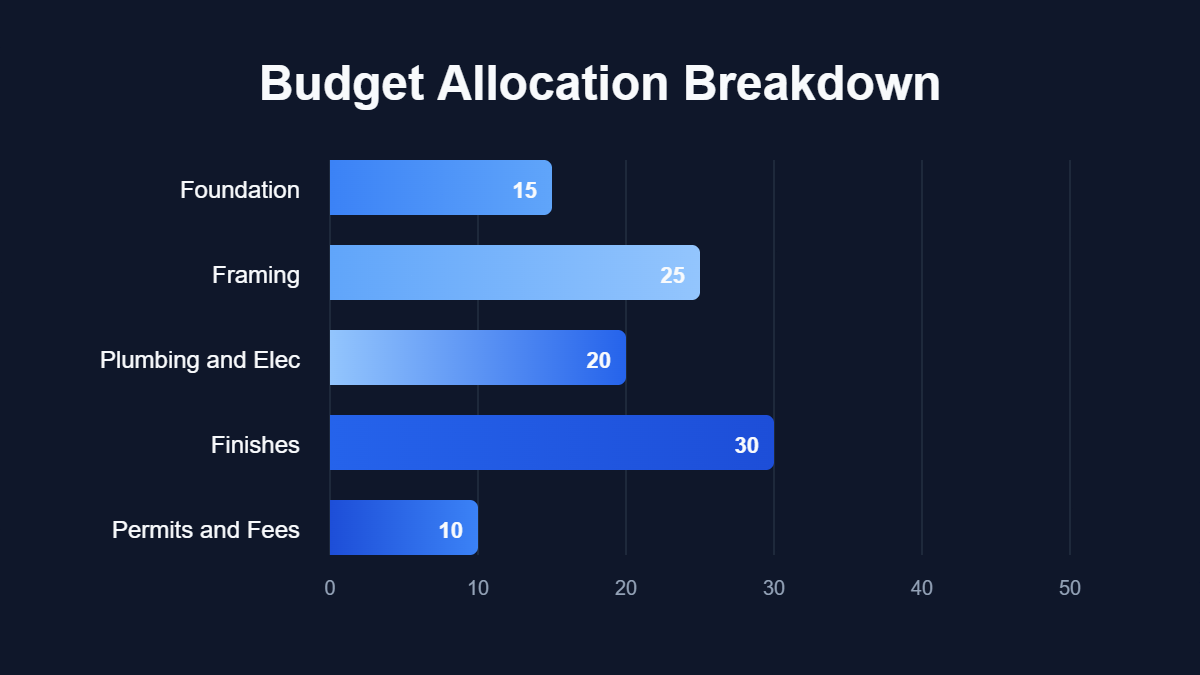
When I sit down with clients like Diana, I use a chart like this to show them that the pretty finishes they see in magazines are only a small part of the total bill.
My Take
Most people focus on the thirty percent for finishes, but the fifty percent spent on foundation, framing, and utilities is what actually makes the room livable. Budget for the ‘bones’ first.
Foundation and Structural Factors Affecting Master Suite Cost
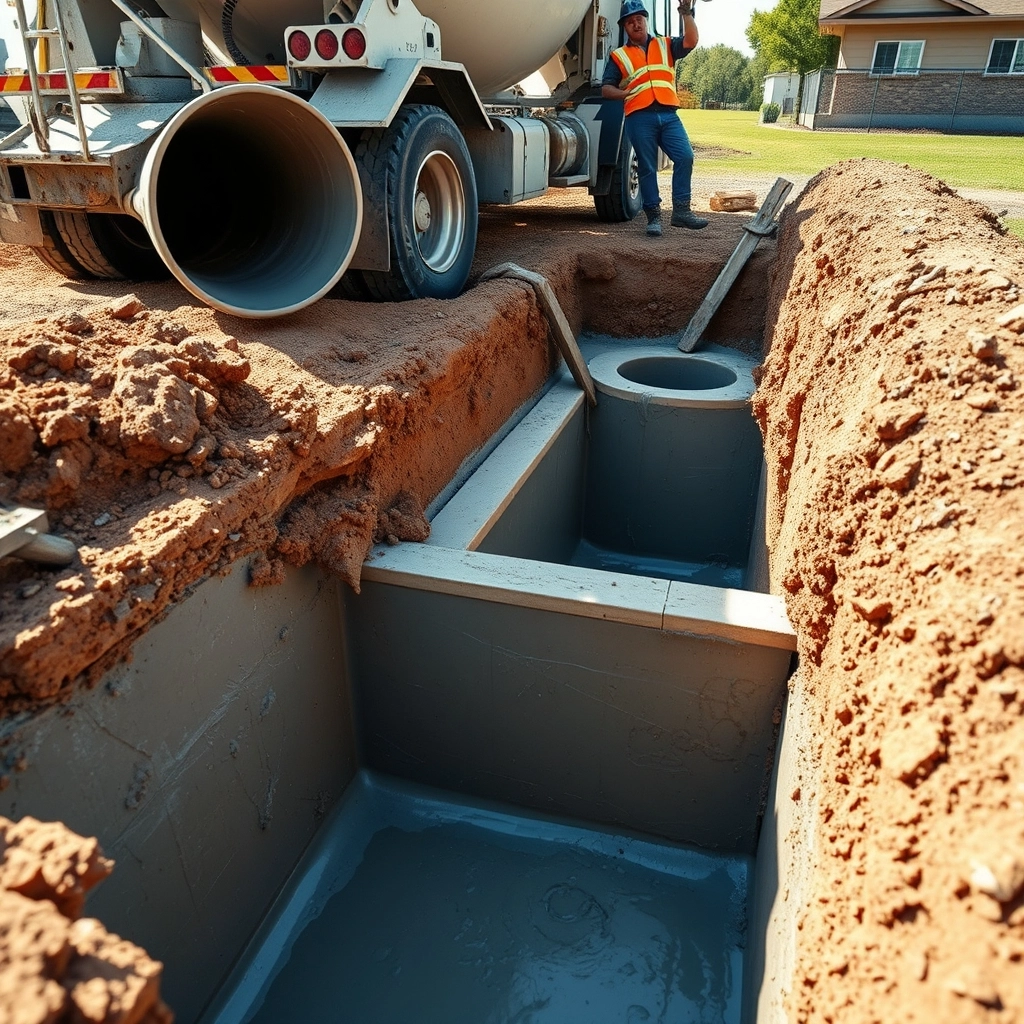
The ground is your biggest risk. If you are building out, you have to dig. You have to pour concrete. If your soil is bad or you hit a massive rock, your budget is done for. I have seen projects stop dead because the contractor found a high water table that needed a specialized drainage system. That is not a cheap fix.
Then you have to tie the new part into the old part. Your roof has to match. Your foundation has to be locked in so the house doesn’t split in half when the ground shifts. This requires really good framing labor. Good carpenters aren’t cheap. Bad ones will leave you with a leaky roof in two years. I’d rather pay for a solid structure than a fancy faucet any day of the week.
If you are digging a hole in your yard, you are basically opening a mystery box that could cost you thousands, so here is what we look for before the concrete mixer arrives.
| Ground Issue | Potential Consequence | The Fix |
|---|---|---|
| Bad Soil | High clay or water table | Specialized drainage |
| Foundation Gap | Poor attachment to old house | Steel reinforcement |
| Roof Mismatch | Incorrect pitch calculation | Complete re-roofing |
My Take
The fix for bad soil is never cheap. If your contractor suggests a drainage system you didn’t plan for, listen to them. A dry foundation is worth more than any marble countertop.
Soil Testing is Mandatory
Never skip a soil report before pouring a new foundation. Discovering expansive clay or unstable earth after the concrete has set can lead to foundation failure that costs tens of thousands to remediate.
Location Impact on Master Suite Addition Costs
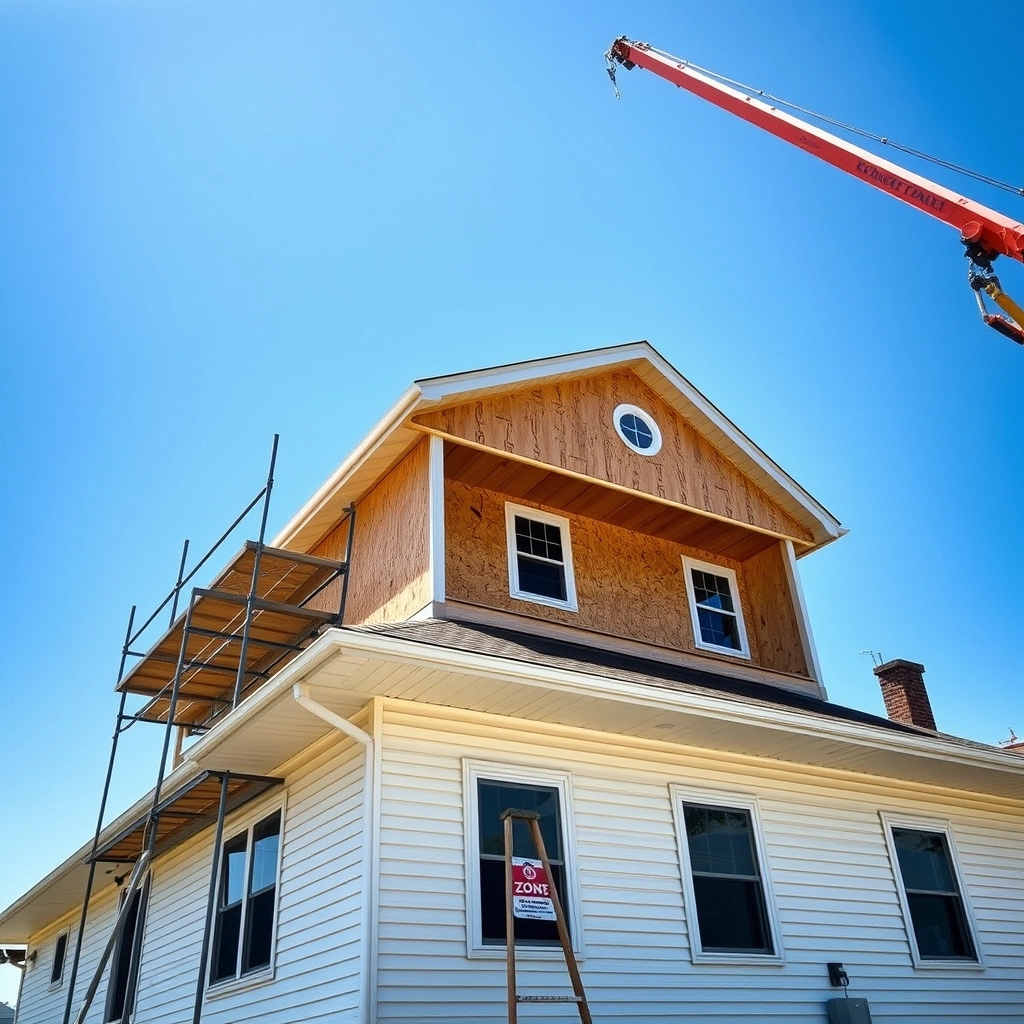
Where do you put it? This is a huge deal. If you go out into the yard, it is usually easier for the crew to work, but you lose your lawn. You also have to pour that new foundation I mentioned. In some places, that is the only way to go if you have a ranch-style house.
But if you go up to a second floor, you are playing a different game. You have to make sure your first-floor walls won’t crumble under the weight. Most old houses were not designed to hold a giant master bath with a heavy tub on the top floor. You might need to add steel beams or extra columns. That is an expensive structural audit that most people forget to include in their initial math.
The choice between going out or going up isn’t just about your yard size; it is a fundamental engineering decision that changes your entire cost profile.
| Expansion Type | Main Advantage | Biggest Expense |
|---|---|---|
| Building Out | Easier site access | New concrete foundation |
| Building Up | Saves yard space | Structural wall reinforcement |
My Take
Second story additions often require reinforcing the first floor. If you have an open floor plan downstairs, adding a heavy master suite above it can become a structural nightmare very quickly.
Luxury Features and Bathroom Upgrades
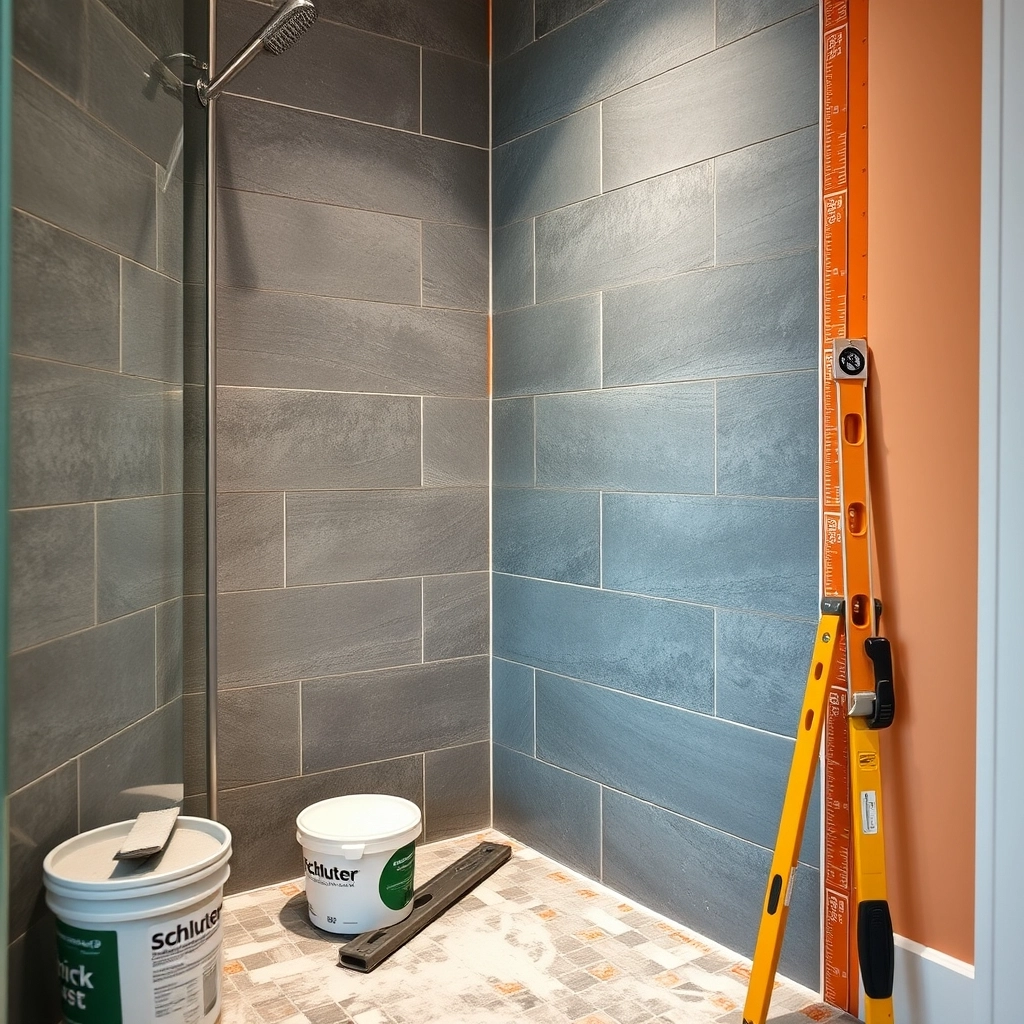
The bathroom is where people throw cash into a furnace without thinking. A curbless shower looks amazing, but the waterproofing and the way you have to slope the floor is a massive headache. You aren’t just paying for the glass door. You are paying for a plumber and a tile guy to spend three extra days making sure it doesn’t rot your floor joists.
Then there is the smart stuff. Heated floors are great until the heating element breaks and you have to rip up the tile. Automated lights and high-end tech add layers of electrical work. It is all discretionary spending. It is nice to have, but it can easily double your finish budget if you aren’t being extremely careful. Focus on the things that actually matter for daily use.
Focus on Lighting
High-quality layered lighting provides the best aesthetic return for the lowest relative cost. Invest in dimmable zones and natural light through skylights rather than overspending on gold-plated faucets.
Permits, Design Fees, and Hidden Costs
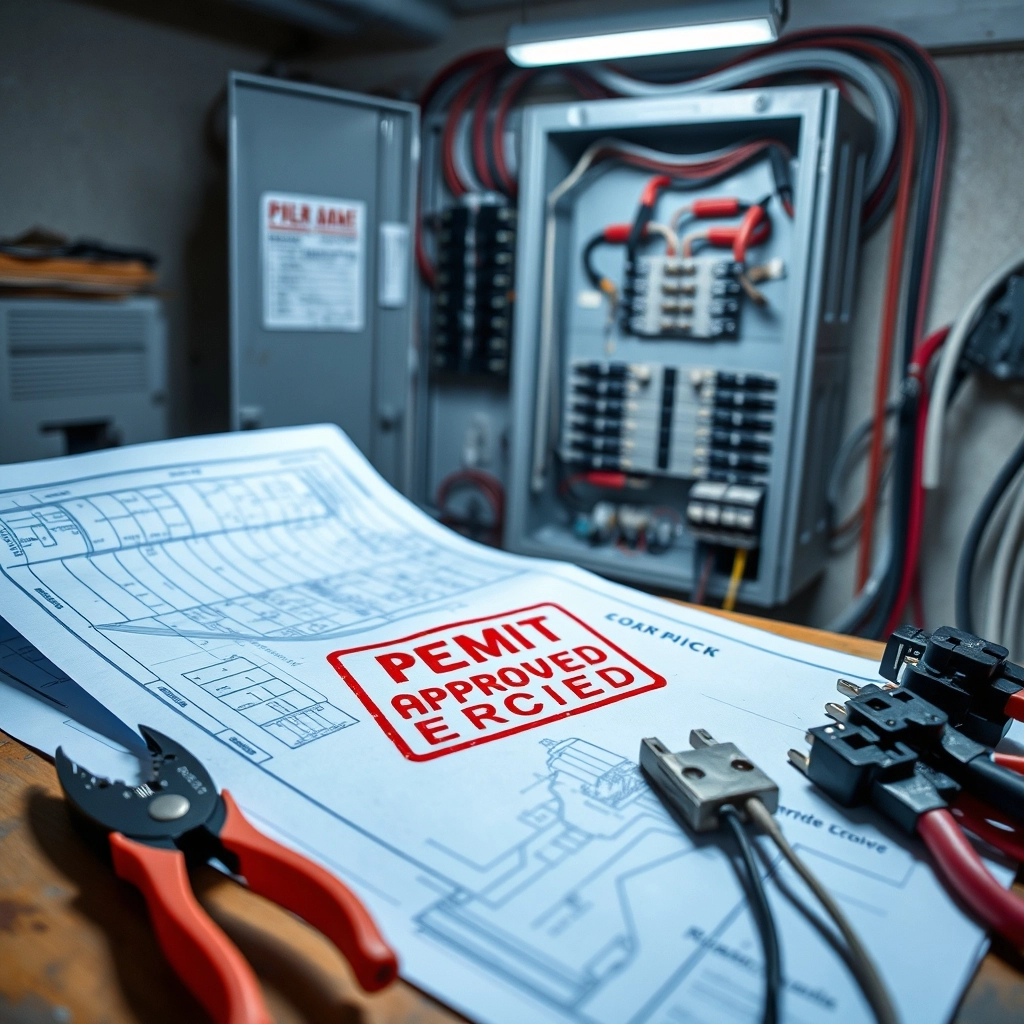
Before you even buy a single piece of wood, you are going to spend thousands. This is what I call the soft costs. You need an architect to draw the plans. You need an engineer to sign off on them. Then you have to pay the city just for the privilege of building on your own property. These fees change depending on your zip code, but they are never cheap.
You also have to check your utilities. Is your water heater big enough for a new shower? Can your electrical panel handle a new sub-panel? If you have an old hundred-amp service, you are probably going to need an upgrade. That is a hidden cost that catches people off guard. It is boring stuff, but it is the stuff that makes the house actually function.
Utility Capacity
Check your electrical panel capacity early. If your home currently runs on a one hundred amp service, adding a master suite with modern appliances will likely require a two hundred amp upgrade.
Conclusion
Getting a master suite addition right is a total balancing act. You have to weigh what you want against what the engineering actually allows. If you understand the structural risks and the location hurdles, and you actually keep that fifteen percent cash buffer, you might survive with your sanity intact.
The best projects are the ones where the owner is honest about the data. Don’t hide from the hard numbers. If you want to be fully ready for this mess, check out The Ultimate Guide to Bathroom Remodeling Costs: Planning and Budgeting. You can find the main guide over at /bathroom-remodel-cost-guide.