






so im on my phone at the site on manor road and honestly i just saw jeremiah’s old 6×8 bathroom and it’s a disaster. like actually a tragedy of 1990s beige. why do people do this to themselves? look a 6×8 bathroom design isn’t a death sentence for your style. it’s 48 square feet of potential if you stop thinking about it like a utility closet and start thinking about it like a high-end plane cabin where every millimeter counts. don’t even get me started on the quick fix plastic kits. trash. pure trash.
you need a real plan. let’s get into the actual math of how you stop hitting your hip on the sink every morning. it’s annoying. fix it.
The sharp corner of a vanity meeting your hip in the dark is a rite of passage for anyone living with a standard 6×8 bathroom design. It is a space that feels simultaneously functional and frustratingly restricted. Every inch of floor space is a hard-won victory. When you stand in the center of a forty-eight-square-foot room, you are essentially standing in the engine room of your home wellness routine.
The challenge is not just fitting the essentials. You have to do it in a way that feels intentional rather than accidental. Actually, the secret to a successful renovation in this footprint lies in understanding that you are managing volume, not just floor area. By looking at the vertical space as much as the floor plan, you can turn a cramped utility room into a luxurious sanctuary. It needs to breathe. Even if the walls are close.
Quick Access
This guide covers layout optimization, fixture selection, and budgeting for a ‘6×8 bathroom design’. Use these professional insights to maximize your renovation ROI.
Understanding the Basics of a 6×8 Bathroom Design
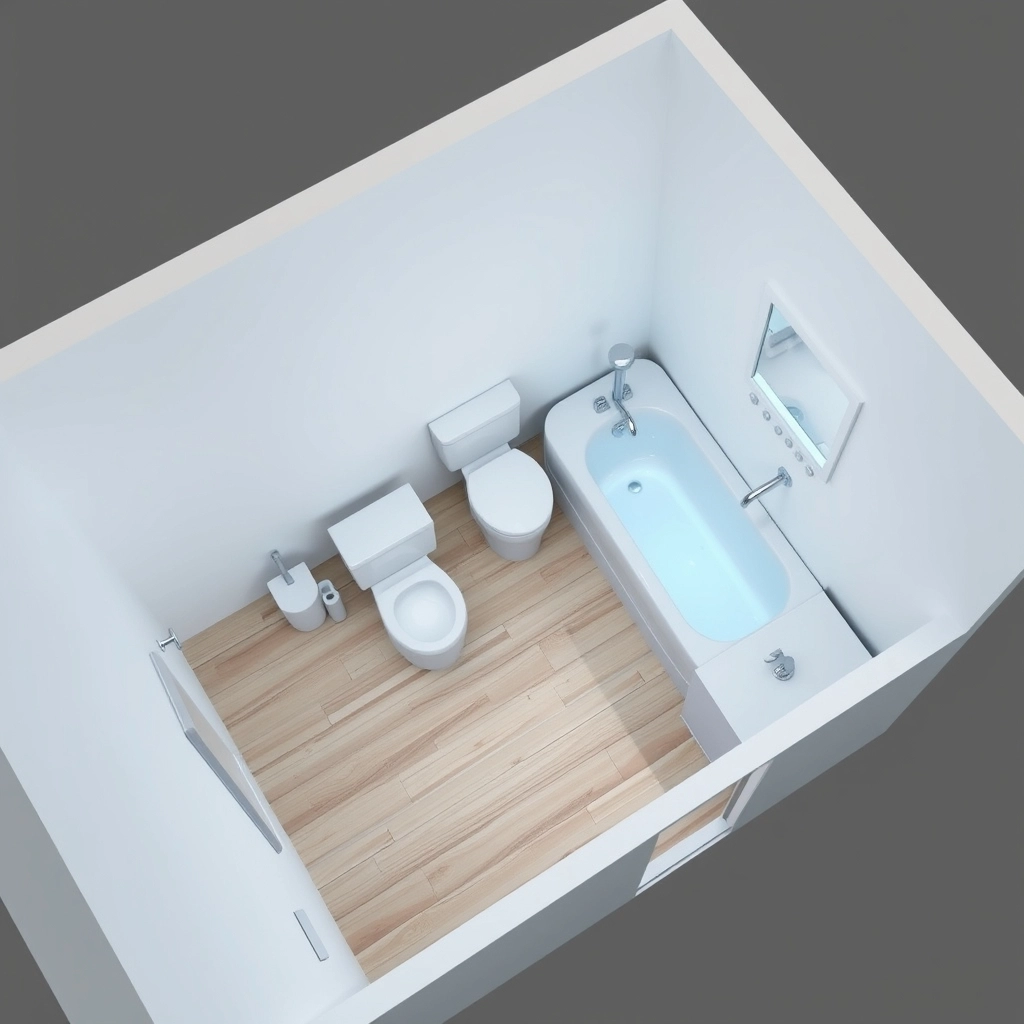
A 6×8 bathroom design refers to a floor plan that encompasses exactly forty-eight square feet. Typically, it is arranged in a rectangular configuration. This specific footprint is often the industry standard for a full guest bathroom. You find it a lot in primary bathrooms in older, mid-century homes. It is just large enough to accommodate the three primary fixtures: a toilet, a sink, and a bathing area.
The bathing area is usually a standard sixty-inch bathtub or a walk-in shower. In technical terms (ASME A112.19.2 standards), this layout usually requires a wet wall. This is where the primary plumbing stacks for the toilet and shower are concentrated. This concentration is essential. It saves on construction costs. It simplifies the installation process during a remodel. If you move the pipes, you move the money out of your bank account.
I put together this quick breakdown of what actually fits in forty-eight square feet so you stop guessing about the footprint.
| Fixture Type | Standard Size | Minimum Clearance |
|---|---|---|
| Standard Bathtub | 60 inches by 30 inches | 30 inches |
| Standard Toilet | 20 inches by 30 inches | 21 inches |
| Small Vanity | 24 inches by 18 inches | 21 inches |
My Take
These are the ‘non-negotiable minimums’ for a room that doesn’t feel like a claustrophobic nightmare.
The proportions of a six-by-eight space are unique. They allow for a few different entry points. This changes how the room breathes. If the door is on the long eight-foot wall, you are often looking directly at the vanity. Or the side of a tub. If the door is on the short six-foot wall, you likely face a long galley-style corridor of fixtures. It feels like a hallway.
Understanding these dimensions is the first step. You move from a cramped utility closet to a sophisticated sanctuary. This sanctuary should serve your daily needs without compromise. When you recognize the limitations of the 48-square-foot footprint, you can begin to make smarter choices about scale and placement. Jeremiah was skeptical about the space until we mapped the door swing. Details matter.
The Standard Footprint
A 6×8 bathroom design is the most common size for secondary bathrooms in North American residential architecture, providing just enough space for a full five-foot bathtub.
Best 6×8 Bathroom Layouts: Smart Floor Plans That Work
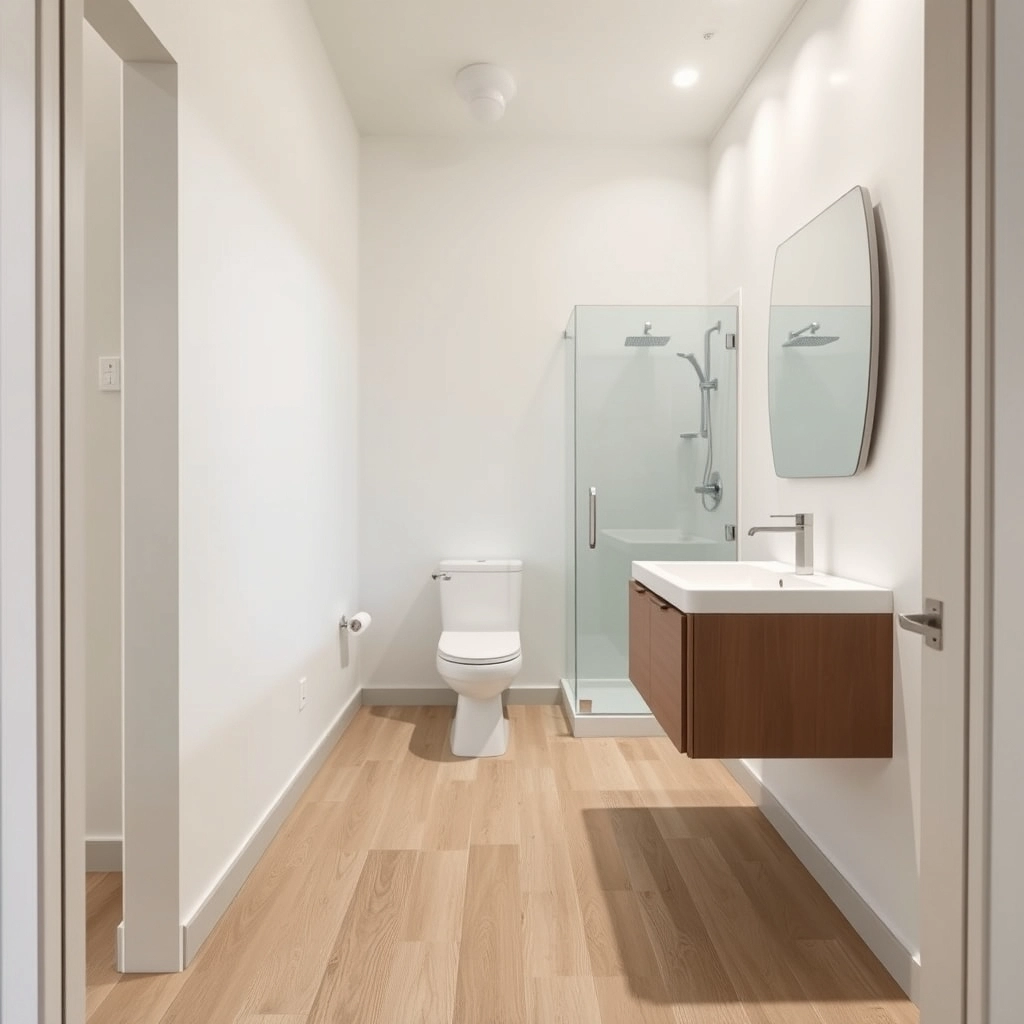
The most efficient 6×8 bathroom design is the linear three-in-a-row layout. Here, the vanity, toilet, and tub are lined up along one long wall. This configuration is a favorite among contractors. It keeps all the supply and waste lines in a single wall. This actually reduces labor costs significantly. It minimizes the risk of plumbing complications.
Choosing between a linear or split layout depends entirely on where your door is located and how much you want to spend on pipes.
| Layout Style | Best Door Location | Main Benefit | Plumbing Complexity |
|---|---|---|---|
| Linear Three in a Row | Long 8-foot wall | Lower labor costs | Simple wet wall |
| Split Layout | Short 6-foot wall | Open center floor | Bilateral supply lines |
My Take
Stick to the linear layout if you want to save money for ‘high-end finishes’ instead of hiding your budget inside the walls.
From a design perspective, this creates a clear walkway. It prevents the room from feeling like an obstacle course. You enter and see the vanity first. This is usually the most attractive fixture. Hopefully, it has a honed quartz top. This is followed by the toilet. Finally, the tub or shower is at the far end. This logical progression makes the room feel organized and spacious. It flows.
Alternatively, if your entry door is on one of the shorter six-foot walls, you might consider a split layout. In this scenario, the bathtub occupies the entire back six-foot wall. The vanity and toilet then face each other on the opposing eight-foot walls. This creates a more open center area. It makes the room feel less like a hallway.
However, the split layout requires more complex plumbing (bilateral supply lines). It can feel crowded if the vanity is too deep. For a truly modern feel, some designers opt for a wet room approach. This is where the shower and tub are combined behind a single glass pane at the end of the room. This requires specialized floor pitch (typically 1/4 inch per foot). It offers a high-end aesthetic. It is bold.
Space-Saving Fixtures for a 6×8 Bathroom Design
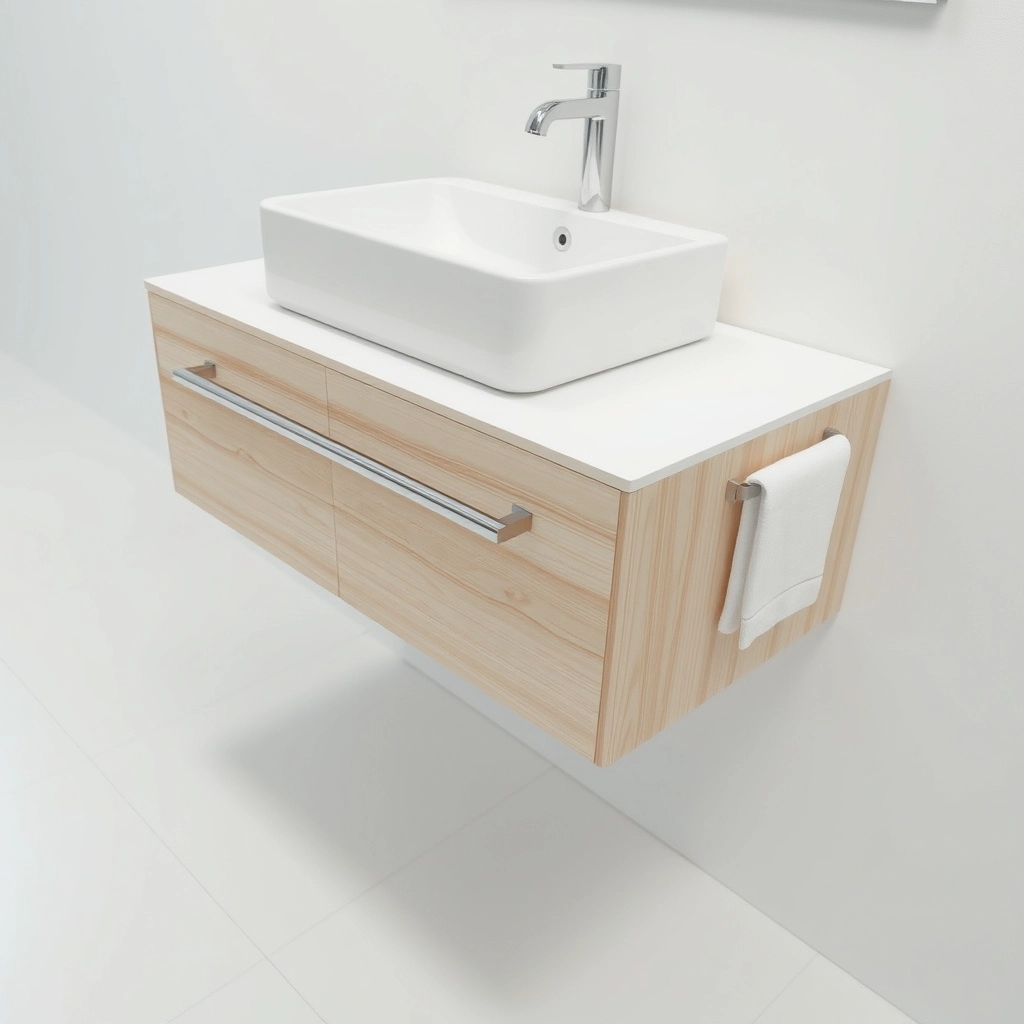
When selecting fixtures for a 6×8 bathroom design, you must prioritize visual lightness. A bulky, floor-mounted vanity can swallow the entire room. It makes it feel heavy. Dated. Instead, I always recommend a wall-hung vanity. It should be at least twelve inches off the floor. Seeing the floor continue all the way to the wall creates an optical illusion of more space. It is a classic designer trick.
Let’s look at how much floor space you actually reclaim by switching to modern, wall-mounted fixtures.
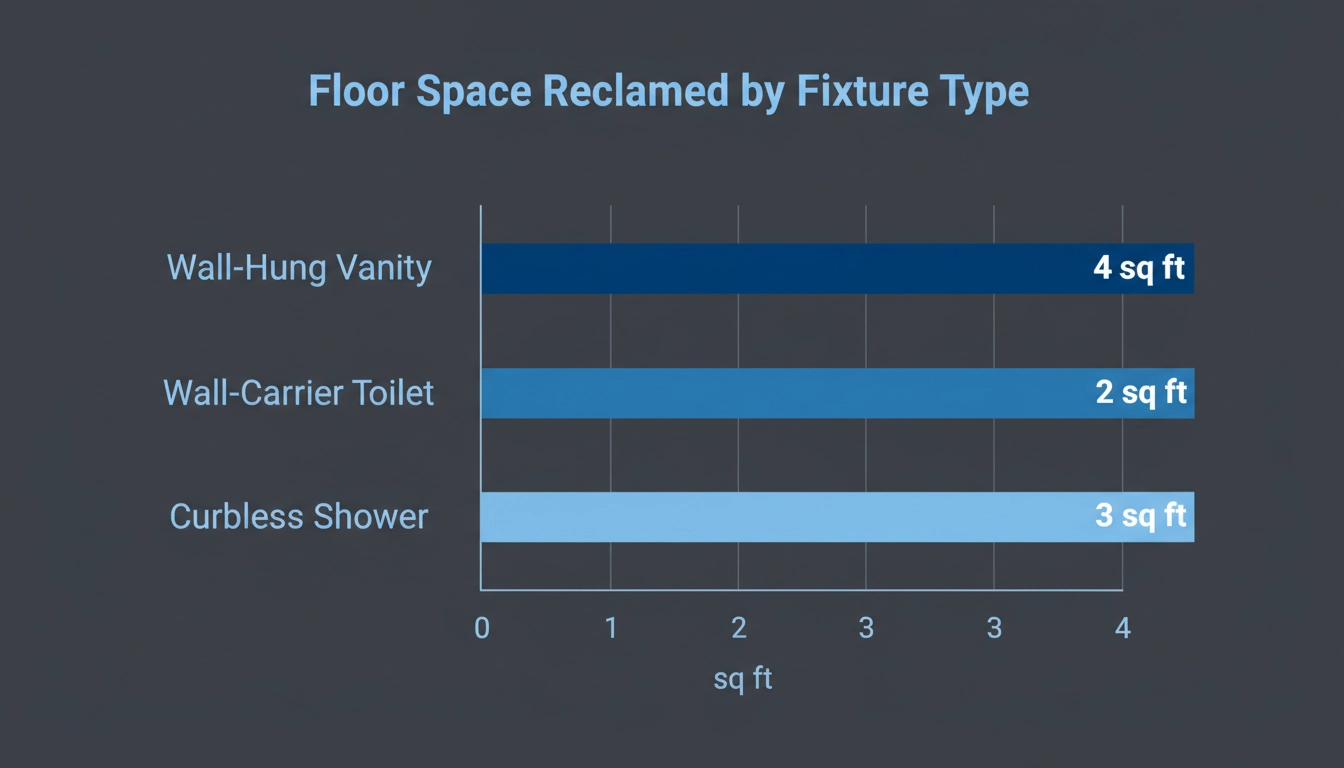
My Take
Every square inch you see on the floor makes the room feel ‘exponentially larger’ to your brain.
For the sink, a narrow-depth model provides enough basin space for washing. It keeps the walkway clear for morning transit. These models are typically around sixteen to eighteen inches deep. This small reduction in depth can make a massive difference. You can actually move through the room when the door is open.
The toilet is another area where inches matter. A round-front toilet typically saves about two to three inches of projection compared to an elongated model. This can be the difference between a door that clears the bowl and one that does not. If the budget allows, a wall-carrier toilet system hides the tank inside the wall. This saves up to eight inches of precious floor space. The tactile click of a high-quality flush plate is also quite satisfying.
For the bathing area, a standard sixty-by-thirty-two-inch alcove tub is the traditional choice. However, replacing it with a curbless walk-in shower with a fixed glass panel can make the entire 6×8 bathroom design feel like a high-end spa. The lack of a visual barrier allows the eye to travel further. The room feels larger than its actual dimensions. It is about sightlines.
Pro Fixture Hack
Choose a vanity with an integrated towel bar on the side to eliminate the need for wall-mounted racks that can protrude into your walking path.
Storage Ideas for 6×8 Bathrooms: Vertical Solutions
Storage in a small footprint requires a vertical strategy. Since you cannot expand outward, you must expand upward. One of the most underutilized areas in a 6×8 bathroom design is the space above the toilet. Rather than a flimsy wire rack, consider a custom-built recessed cabinet. It sits flush with the wall.
By stealing four inches from the wall cavity, you gain storage for toiletries. You do not encroach on the room volume. This keeps the visual lines clean and the surfaces clutter-free. You can also install floating shelves above the vanity or the door. These store items that are not needed for daily use. Extra towels. Seasonal supplies.
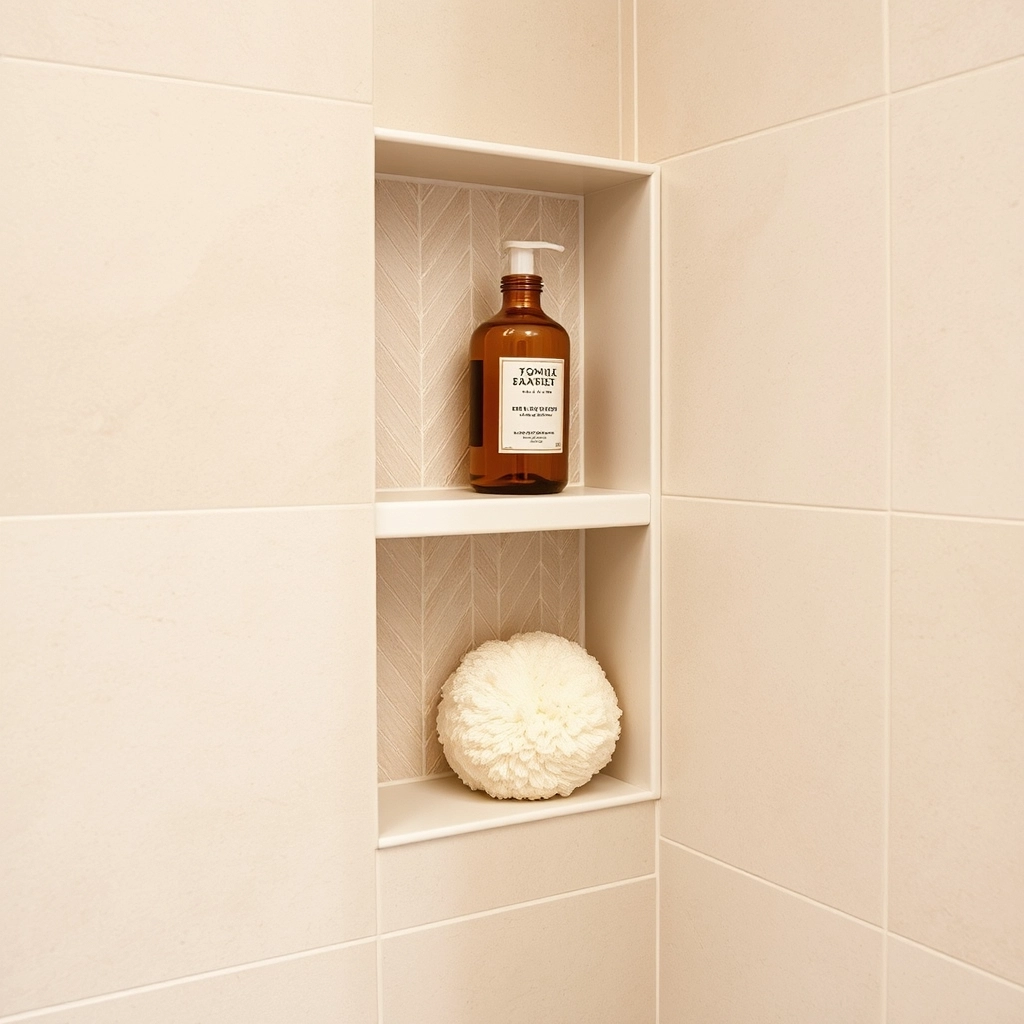
Another essential element is the recessed shower niche. I tell my clients that a shower without a niche is a shower destined for messy plastic caddies. By framing out a tall, multi-tiered niche between the studs, you create a permanent home for bottles. This professional touch adds both function and a sense of luxury to the space. Make sure the tile inside the niche matches the main wall.
For the vanity area, look for mirrored medicine cabinets that can also be recessed. Modern versions offer internal electrical outlets and integrated lighting. This removes the need for bulky sconces on either side. These small decisions collectively make sure that everything has a place. It maintains the calm professional atmosphere we desire. A place for everything.
Design Tricks to Make a 6×8 Bathroom Feel Bigger
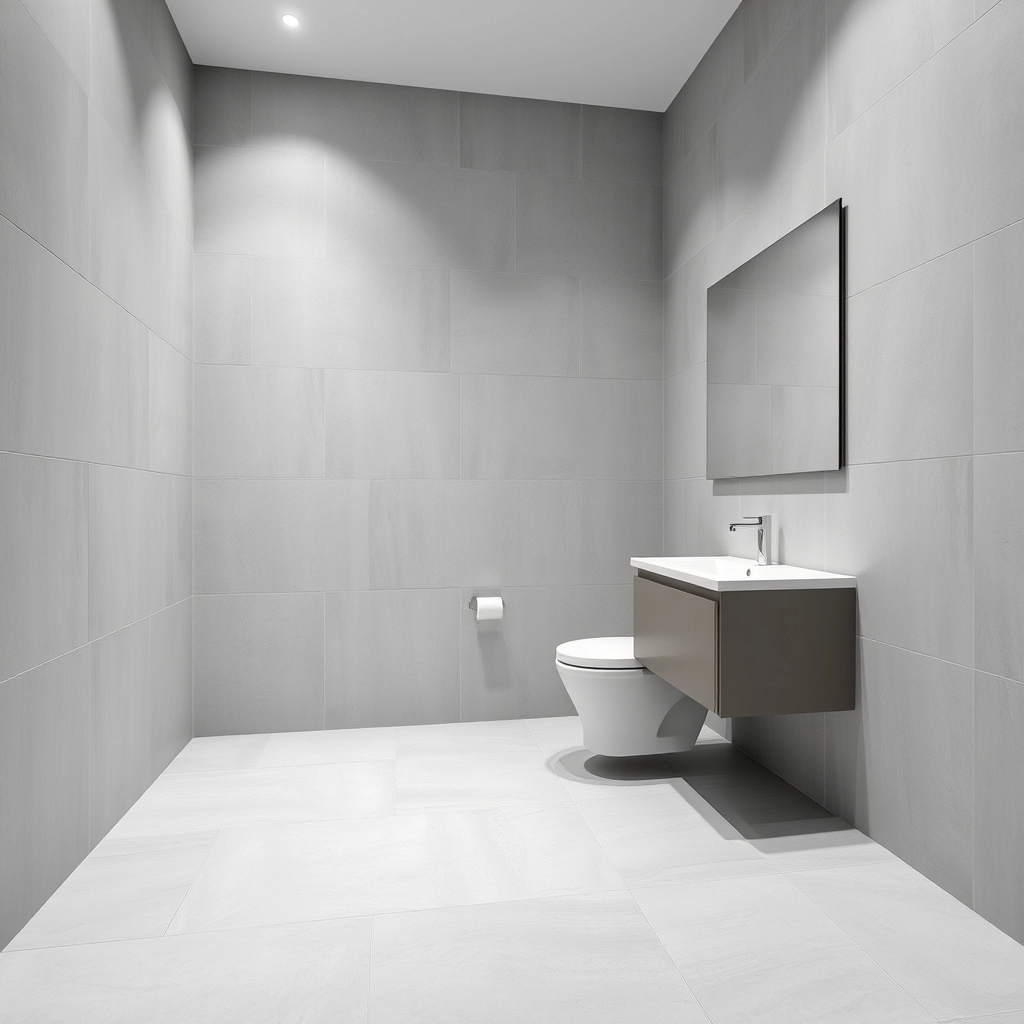
To visually expand a 6×8 bathroom design, you must master the monochromatic palette. Using the same color for the floor tiles, wall tiles, and paint prevents the eye from stopping. For instance, a soft honed marble or a light gray porcelain tile used on both the floor and the shower walls creates a seamless flow.
Actually, the larger the tile, the fewer grout lines you see. This simplifies the visual field. The room appears significantly broader. I recommend using large-format tiles that are at least twelve by twenty-four inches. When these are laid in a straight pattern, they draw the eye toward the back of the room. It emphasizes length.
Lighting is the final layer of magic. A single overhead light will cast shadows. It makes corners feel smaller. Instead, use layered lighting to brighten every corner. This includes a dimmable ceiling light for general tasks. Backlit mirrors for soft evening ambiance. Perhaps a small waterproof LED strip in the shower niche.
When the lighting is balanced, the walls seem to recede. Finally, a large, frameless mirror that extends the full width of the vanity wall will effectively double the perceived size of the room. By reflecting the opposite wall and any natural light from windows, you create a sense of depth. A small room needs this.
Avoid Dark Grout
Using high-contrast dark grout with light tiles creates a grid pattern that can make a small 6×8 bathroom feel busy and boxed in.
6×8 Bathroom Remodel Costs and Budget Planning
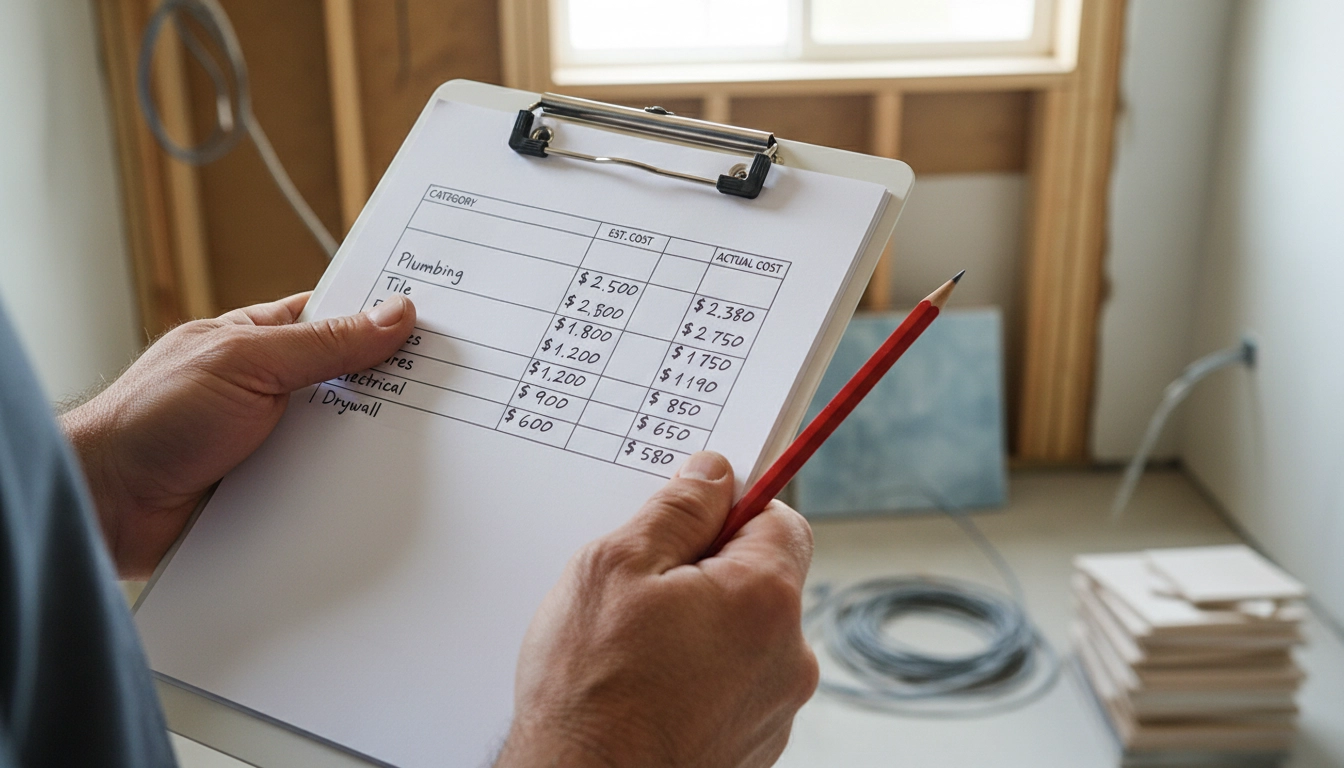
Budgeting for a 6×8 bathroom design requires a strategic allocation of funds. A full-gut renovation of this size typically ranges between fifteen thousand and twenty-five thousand dollars. This depends on material choices. The