






Labor is a total bloodbath right now. Seriously. You think you’re just buying a toilet and some pretty tiles but you’re actually signing up to fund a master plumber’s early retirement. I just got off the phone with Gavin over on Oak Ridge Ln in Toowoomba and his quote for a simple ensuite was enough to make a grown man cry. People see these glossy renovation magazines and think fifty grand is a huge budget. It isn’t. Not anymore.
- Understanding the Basics of Bathroom Additions
- Estimating the Cost to Add a Bathroom by Project Type
- Analyzing the Cost to Add a Half vs Full Bathroom Extension
- Breaking Down the Cost per Square Foot to Add a New Bathroom
- Complexities and Cost to Add a Bathroom in Basement or Attic Spaces
- Navigating Hidden Costs When Adding a New Bathroom
- Conclusion
If you haven’t checked your main stack’s integrity before dreaming of a rain shower, you’re basically just gambling with a jackhammer. Honestly, half the time it’s cheaper to just sell the house and move than to try and cut a new waste line into a forty-year-old slab. But hey, it’s your money. Just don’t say I didn’t warn you when the unexpected costs start rolling in like a tide.
The sound of a jackhammer hitting your floor is the real start. That’s when the cost to add a bathroom becomes real and not just a number on a spreadsheet. You aren’t just doing a cosmetic fix. This is a heavy-duty engineering project. We are talking about structural integrity. Local building codes. The insane volatility of what a guy with a pipe wrench charges per hour in 2026.
I’ve been doing this for fifteen years as a budget analyst. I’ve seen countless projects just stop dead. Why? Because the homeowner didn’t think about the invisible infrastructure. It’s the stuff behind the drywall. The stuff under the floor. You need to look at the mechanical guts of your house. Do it before you even think about buying a vanity.
Understanding the Basics of Bathroom Additions
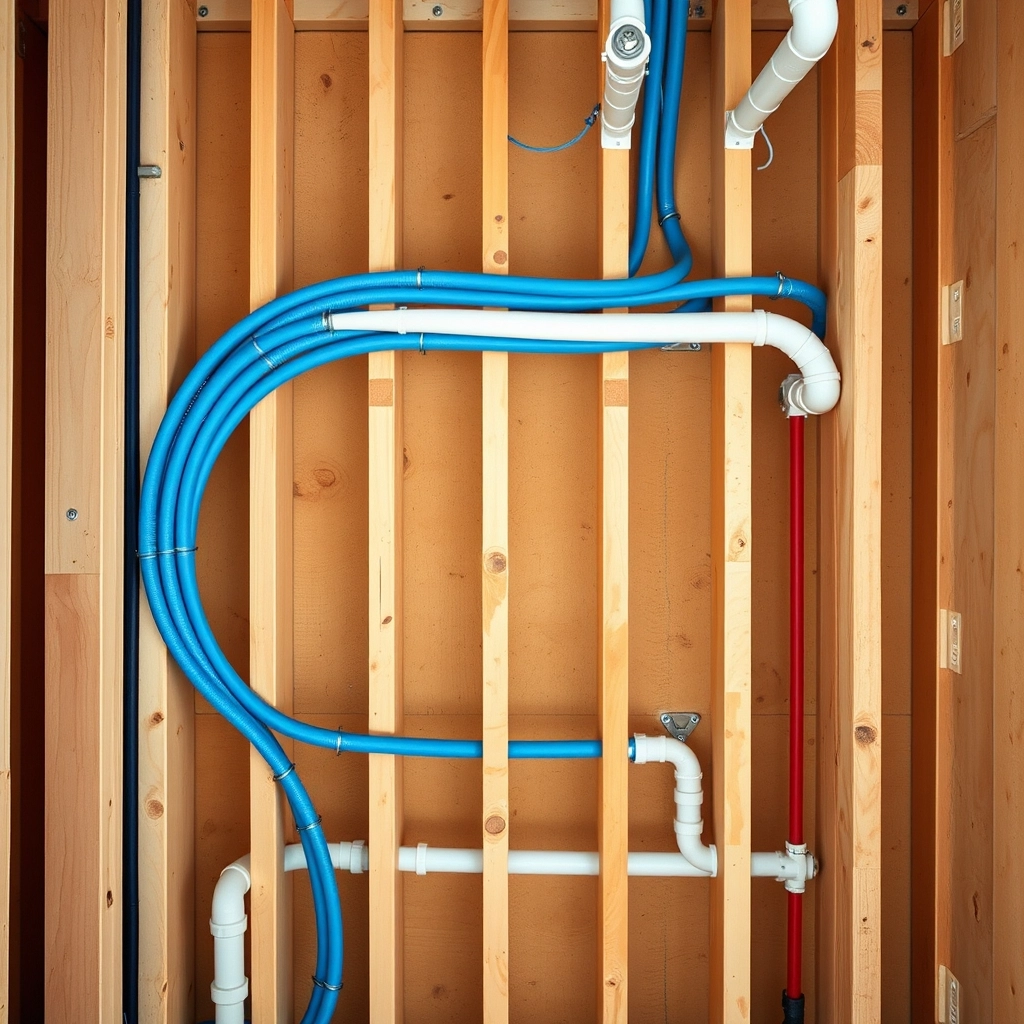
A bathroom addition is a whole different beast compared to a remodel. You are creating a sanitation space where there was literally nothing before. No drains. No water. Nothing. This means you have to extend waste lines. You have to run vent stacks up through the roof. You have to tap into supply pipes.
I put together this quick breakdown of the core plumbing terms because people like Gavin often get confused when the plumber starts talking technical jargon.
| Plumbing Component | What It Does | Why It Costs Money |
|---|---|---|
| Waste Lines | Carries sewage away | Requires floor trenching or joist cutting |
| Vent Stacks | Regulates air pressure | Must be routed through the roof |
| Supply Pipes | Brings in fresh water | Involves tapping into high pressure lines |
My Take
Think of these as the ‘arteries’ of your home. If they are blocked or installed poorly, the whole system fails.
This isn’t just swapping a sink. This is fundamentally changing the plumbing footprint of your home. You have to figure out your physical constraints. Are you staying inside the existing envelope? Maybe you’re turning that massive walk-in closet you never use into a powder room. Or maybe you’re doing a bump-out extension.
If you go the bump-out route, get ready. You’re talking new foundations. Exterior walls. A new roofline. It’s basically building a tiny house attached to your big house.
The ROI Factor
Adding a functional bathroom is consistently ranked as one of the top three home improvements for ‘recouping value’ at the time of resale, often returning over sixty percent of the initial investment.
Bathrooms are the most resource-dense rooms in your entire home. Think about it. You are cramming high-pressure water, electrical circuits, and gravity-fed sewage into a tiny box. Everything has to be waterproofed perfectly. One tiny gap in the waterproofing membrane and you’ve got structural decay. Rot. Mold. It’s a mess.
You also have to check your water heater. Can it actually handle another shower? And the electrical panel. Most people forget this. Modern codes want dedicated circuits for bathroom outlets. If your panel is full, that’s a couple thousand dollars just to upgrade the box. These are the hidden system upgrades that wreck budgets.
I tell my clients like Gavin that the pretty stuff is only twenty percent of the job. The rest is just making sure the water goes where it’s supposed to and doesn’t destroy the house.
Estimating the Cost to Add a Bathroom by Project Type
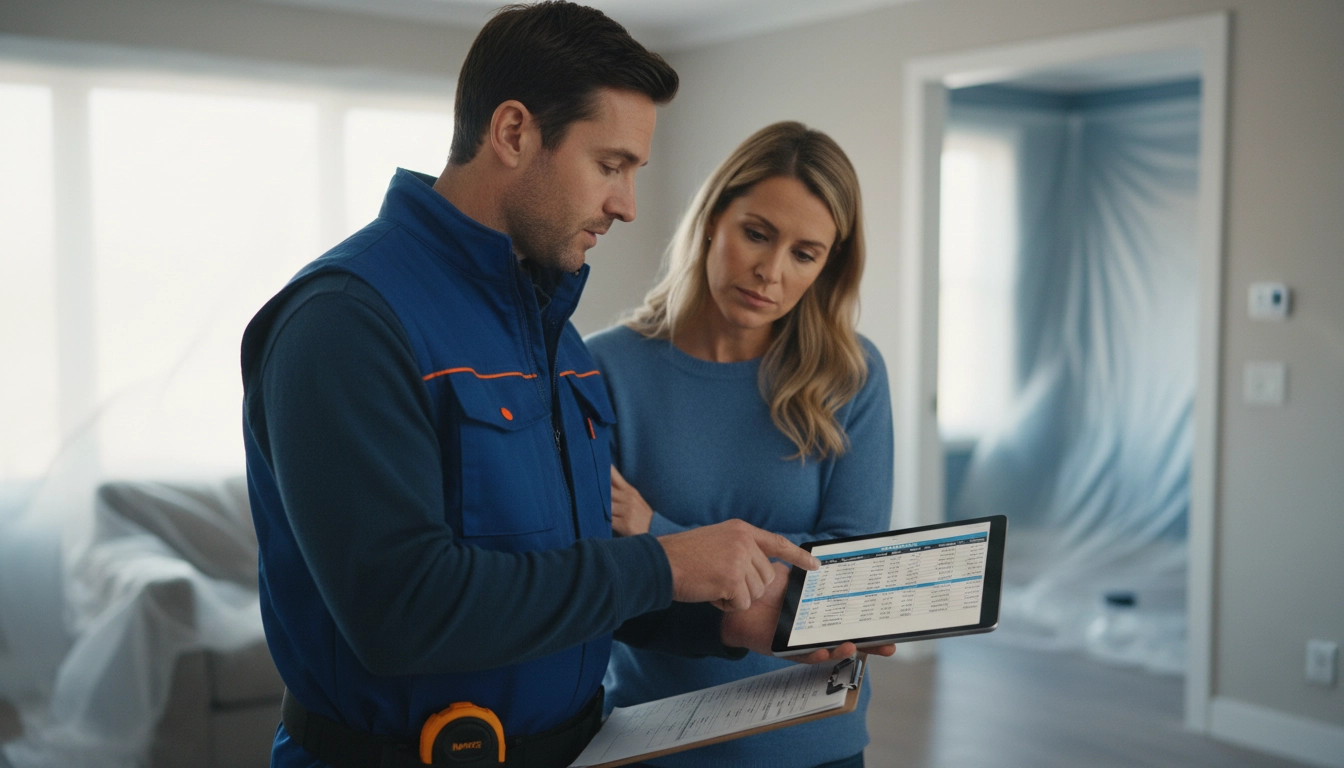
In 2026, the numbers are jumpy. You’re looking at a range of twenty-five thousand dollars to eighty thousand dollars. That’s for a professional job. Don’t trust a quote that’s lower. It usually means they’re cutting corners on the rough-in or they aren’t licensed.
To keep your expectations realistic, here is a breakdown of the typical financial commitment for different bathroom styles in the current market.
| Project Type | Average Cost Range | Typical Square Footage |
|---|---|---|
| Powder Room | Twenty to Thirty Thousand | Twenty to Thirty |
| Standard Full Bath | Forty to Fifty-Five Thousand | Forty to Sixty |
| Master Suite Addition | Sixty to Eighty Thousand Plus | Eighty Plus |
My Take
These numbers assume professional labor. If you see a quote significantly lower, run the other way.
Market volatility is the big driver here. Raw materials. Copper. PVC. It’s all over the place. Plus, there is a massive shortage of master plumbers and electricians. They can charge whatever they want right now because they have six months of work lined up.
If you want a mid-range addition with decent materials, you’ll probably land in the middle. Most of my data shows final invoices hitting around forty-five thousand. That’s for a standard five-by-eight-foot space.
The 15% Buffer
Always set aside a ‘fifteen percent’ cash reserve specifically for unforeseen structural issues, as 2026 labor rates do not allow for mid-project budget corrections.
Logistics are a headache too. Procurement is better than it was a few years ago, but specialty components are still expensive. Smart toilets. High-efficiency fans. These aren’t just expensive to buy; they’re expensive to install. They take more labor hours.
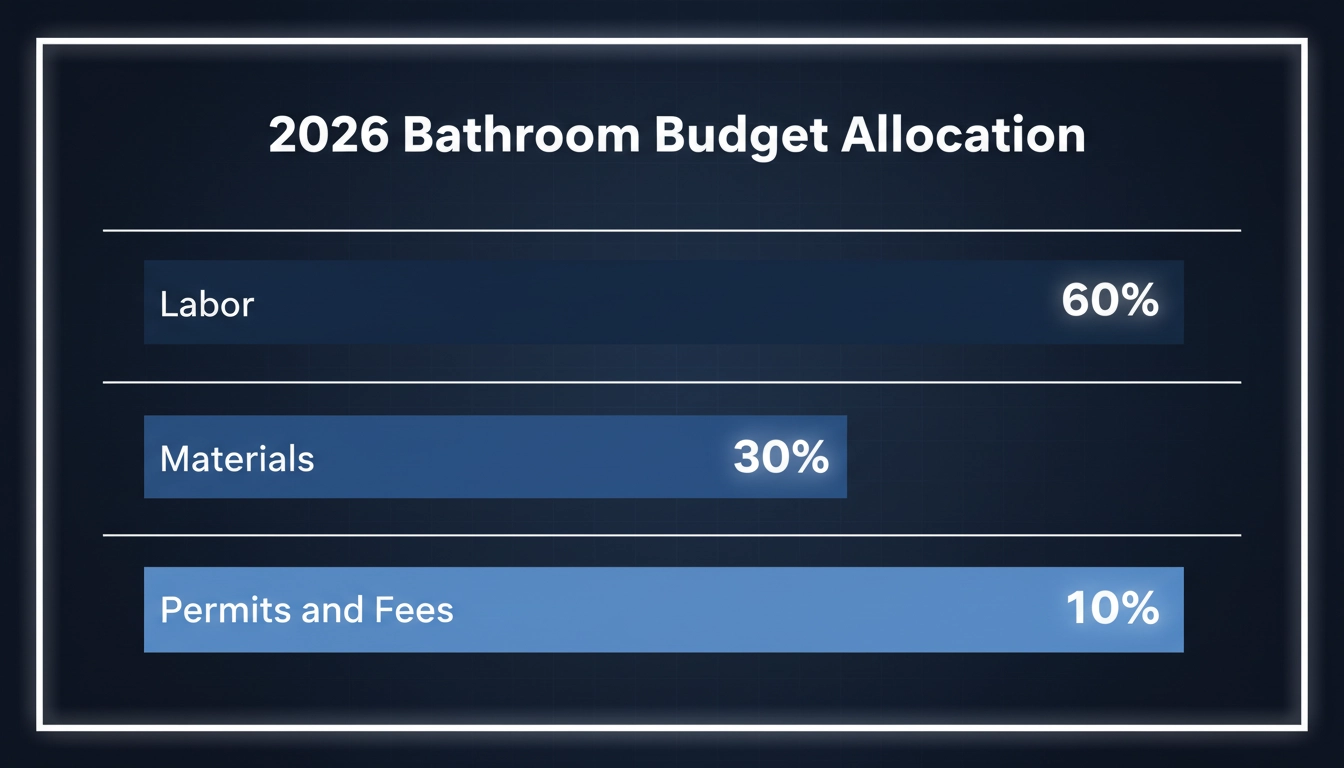
I wanted to visualize where your money actually goes, because most people are shocked at the labor-to-material ratio.
My Take
You are paying for expertise and insurance, not just the physical toilet.
Labor is the big one. It’s nearly sixty percent of the total budget now. You’re paying for the brainpower of people who know how to navigate environmental regulations. These water-use standards are no joke. Your local council probably has rules about what kind of valves you can use. If you fail an inspection because of a cheap valve, you’re paying the plumber to come back and do it twice.
It’s a skilled trade for a reason. You don’t want the cheap guy doing your plumbing. Trust me.
Analyzing the Cost to Add a Half vs Full Bathroom Extension
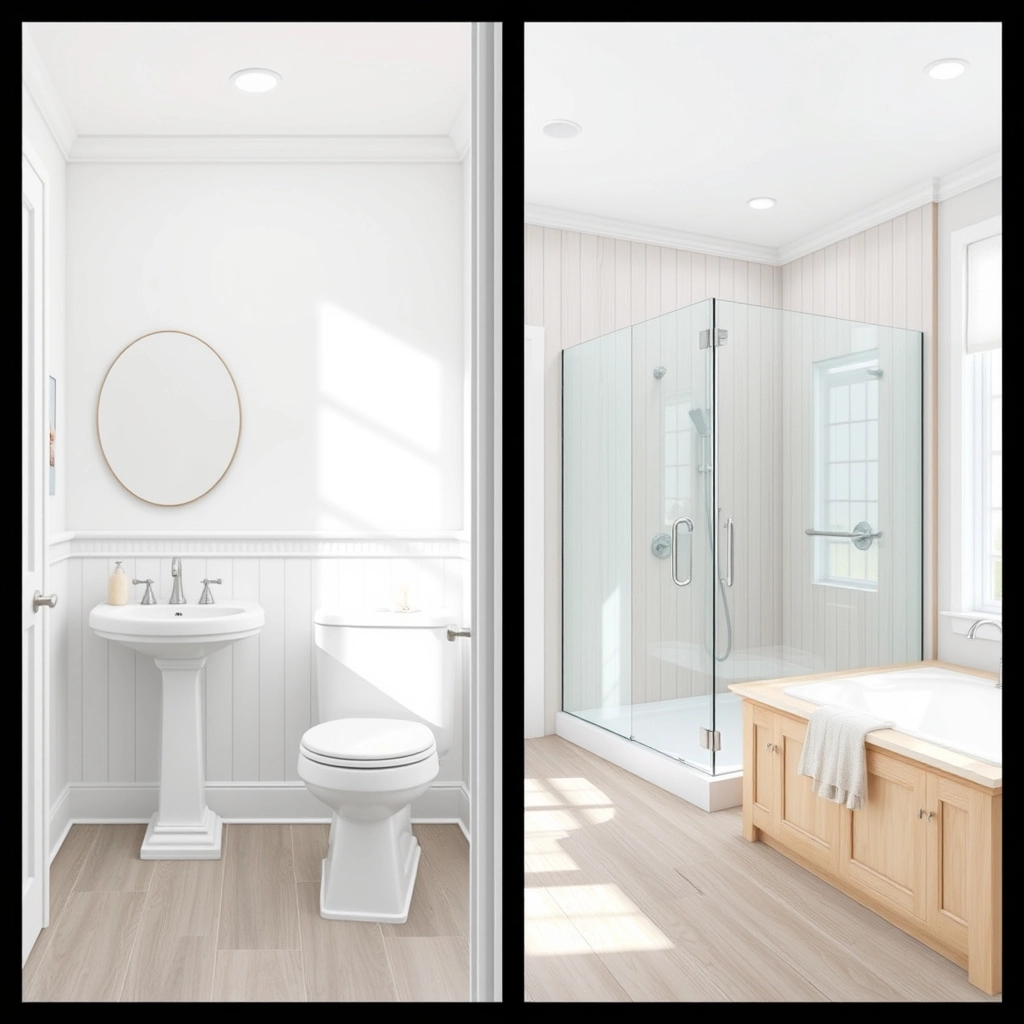
The price jump between a half-bath and a full-bath is massive. It’s all about the wet wall and the bathing fixtures. A half-bathroom—or powder room—is small. Twenty to thirty square feet. You can squeeze these into closets. Under stairs.
Most people struggle to see why a shower adds so much to the bill, so I mapped out the key differences for you here.
| Feature | Half Bathroom | Full Bathroom |
|---|---|---|
| Drain Size | One and a half inches | Two inches minimum |
| Waterproofing | Minimal splash zones | Full wet-area membrane |
| Ventilation | Standard fan | High-capacity steam exhaust |
| Structural | Standard flooring | Reinforced for water weight |
My Take
The jump to a full bath is a ‘structural event’ rather than just a plumbing one.
The rough-in is simple. One toilet. One sink. No shower means no complex waterproofing. You don’t need a heavy-duty exhaust fan to suck out steam. It keeps the entry cost lower.
But a full bathroom? That changes everything. You need a larger drain line. Usually two inches. Sinks only need an inch and a half. That extra half-inch means you might have to cut through floor joists. Or if you’re on a slab, you’re trenching concrete. That is back-breaking, expensive labor.
Then there is the static load. A bathtub full of water is heavy. Really heavy. You might need to reinforce the floor joists. In my experience, going from a half to a full bath adds at least twelve thousand dollars. And that’s before you even look at the price of tiles or a glass door.
If you’re on a tight budget, stick to the powder room. It adds value without the structural headache of a shower.
Breaking Down the Cost per Square Foot to Add a New Bathroom
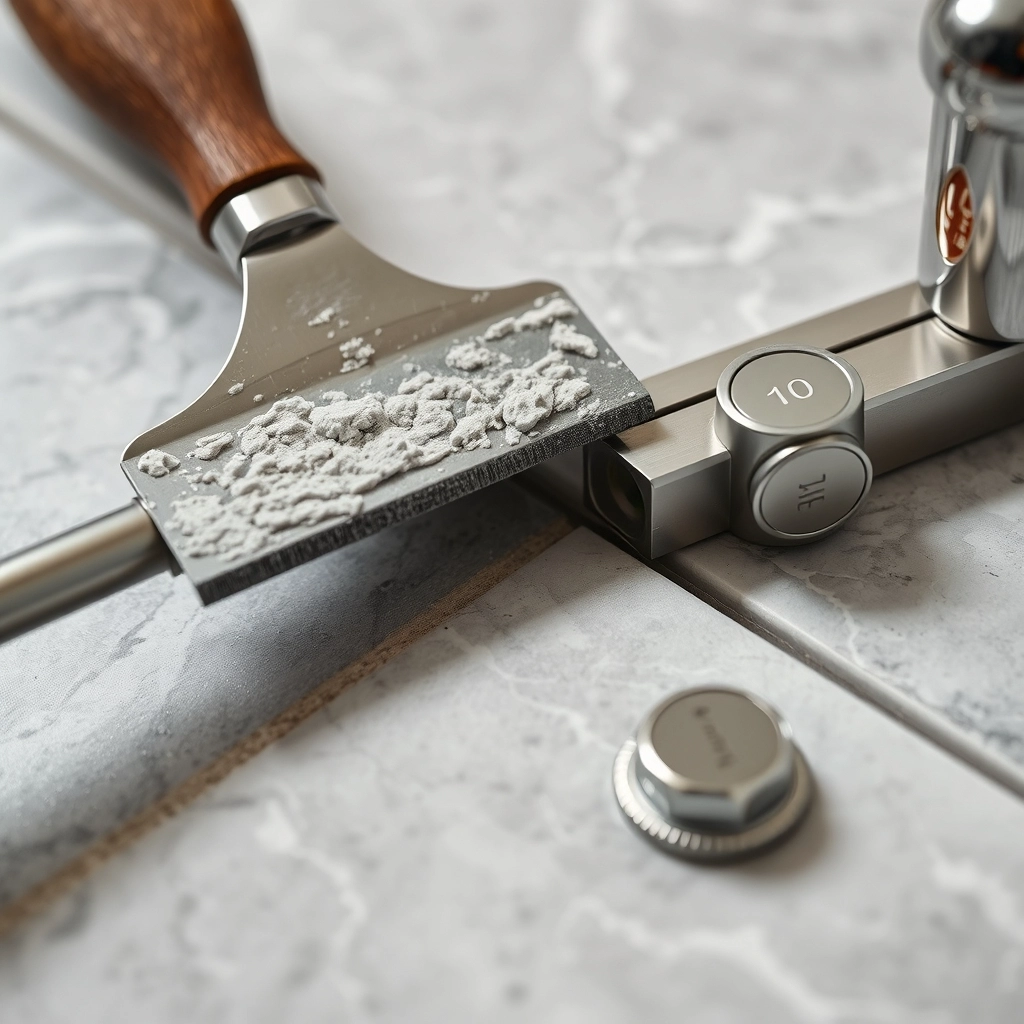
Per square foot, the bathroom is the most expensive room in the house. A bedroom is cheap. Some drywall, a window, some carpet. Maybe one hundred fifty dollars a foot. A bathroom? You’re looking at four hundred dollars to nine hundred dollars per square foot.
If you are trying to estimate your specific footprint, these square foot rates will give you a solid baseline for your spreadsheet.
| Finish Level | Cost Per Square Foot | Primary Expenses |
|---|---|---|
| Basic Grade | Four Hundred Dollars | Standard fixtures and ceramic tile |
| Mid-Range | Six Hundred Dollars | Quality valves and porcelain tile |
| Luxury Tier | Nine Hundred Dollars Plus | Natural stone and custom cabinetry |
My Take
The ‘Mid-Range’ is the sweet spot for resale value without lighting your cash on fire.
It’s the density of mechanical systems. You’ve got plumbing. Electric. Ventilation. All in a tiny footprint. You need cement board. Specialized thin-set. High-performance grout.
The materials are just more expensive because they have to fight water. All the time.
The Impact of Luxury Finishes
If you want the luxury tier, the sky is the limit. One thousand dollars per square foot? Easily. Natural stone slabs. Custom vanities. Radiant floor heating. These things take forever to install.
A tiler who works with marble charges way more than a guy laying subway tile. It’s about contractor fees.
As a risk analyst, I always tell people: don’t over-capitalize. You won’t get a one-to-one return on luxury stone. Put your money into high-quality valves. Spend it on the waterproofing systems that nobody ever sees. That’s how you prevent a financial hemorrhage later.
A leak in three years will cost you way more than the fancy faucet was worth.
Complexities and Cost to Add a Bathroom in Basement or Attic Spaces
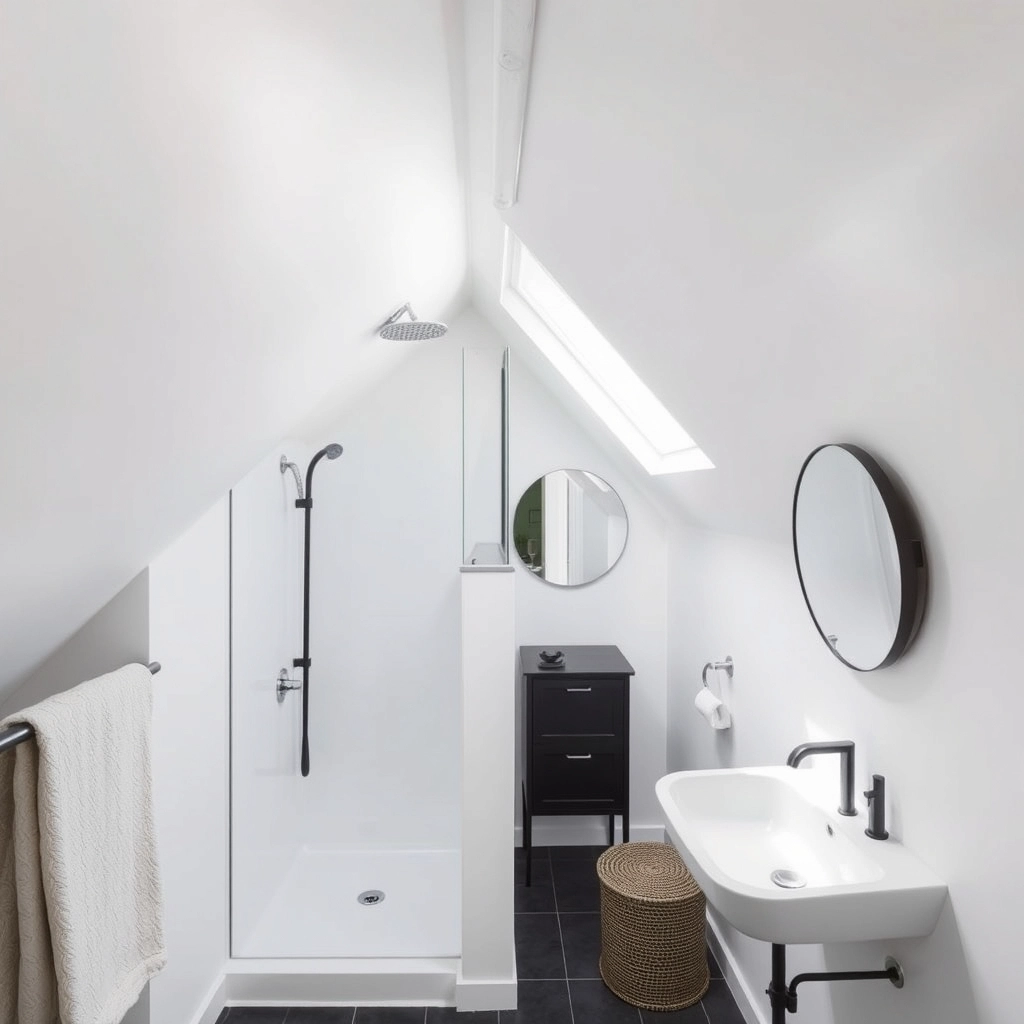
Basements and attics are where budgets go to die. They have engineering hurdles that most people don’t see coming.
Basements and attics come with their own unique set of expensive headaches that I have categorized for your planning phase.
| Location | Primary Challenge | Engineering Solution |
|---|---|---|
| Basement | Low sewer elevation | Macerating toilet or ejector pump |
| Attic | Floor weight limits | Structural joist reinforcement |
| Attic | Sloped rooflines | Custom glass and vertical venting |
My Take
Always get a structural sign-off before you put a tub in an attic space.
In a basement, the big problem is sewer line elevation. If your main drain is higher than the basement floor, gravity won’t work. You can’t just flush. You need a sewage ejector pump. Or a macerating toilet system.
That’s an extra three thousand dollars right there. Plus, those pumps need maintenance. If the pump fails? You have a catastrophic situation in your basement. High-quality gear here is non-negotiable.
Gravity is Your Friend
Whenever possible, locate your new bathroom directly above or below an existing one to ‘piggyback’ off the current plumbing stack and save thousands in labor.
Attics have structural load issues. Most attic floors were built for storage. Not a fifty-gallon tub and a human. You’ll need a structural engineer. That’s another fee.
Then there’s the headroom. Sloped ceilings mean custom-cut glass for the shower. That glass is expensive. You also have to figure out how to vent the fan through the roof at a weird angle. And don’t forget the HVAC ductwork. Attics are hot in summer and freezing in winter. You need to pull air up there.
Navigating Hidden Costs When Adding a New Bathroom
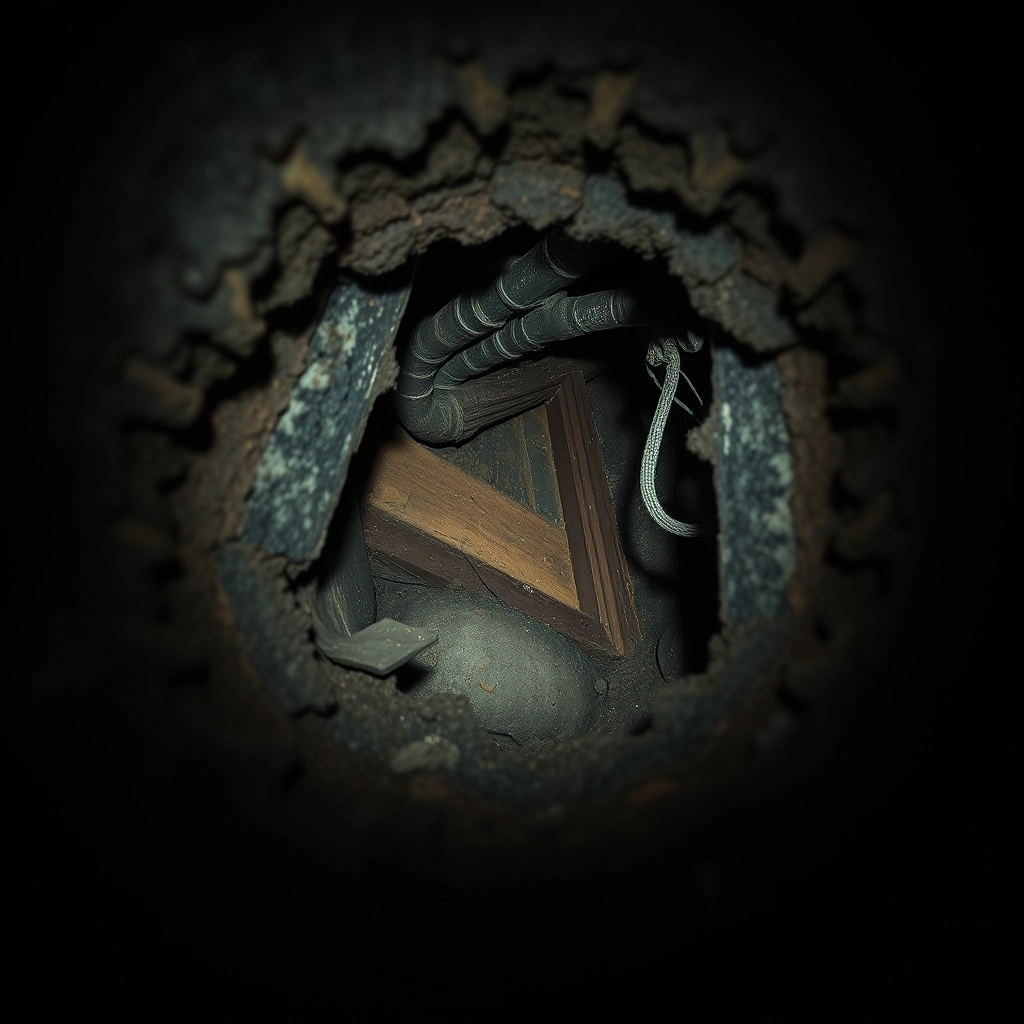
The unseen variable is what kills you. Once you rip open a wall, all bets are off. Outdated wiring. Corroded galvanized pipes. Asbestos.
Here is a quick guide to the most common budget killers I see during the demolition phase of a project.
| Hidden Problem | Detection Method | Typical Fix |
|---|---|---|
| Galvanized Pipes | Visual inspection | Full copper or PEX replacement |
| Knob and Tube | Electrical testing | Complete circuit rewiring |
| Subfloor Rot | Probing after demo | New plywood and joist repair |
My Take
Expect at least one of these to pop up. It is the nature of the beast in older homes.
These aren’t options. They are non-negotiable costs. You have to fix them to meet code. Last year, I saw a project where the homeowner had to drop five thousand dollars just on the electrical panel. They wanted a steam shower, and the house literally didn’t have enough power to run it.
Always assume there is something expensive hiding behind the wall.
Permit Realities and Inspection Fees
Don’t try to dodge the bureaucracy. Permits can cost anywhere from five hundred dollars to three thousand dollars.
You need a permit for the plumbing. One for the electric. One for the structural work. Each one means a professional inspection.
If you skip this, it’s a critical mistake. When you go to sell the house, the buyer’s inspector will flag the unpermitted work. You might have to tear it all out. Or your insurance will deny a claim if there’s a leak. It’s not worth the risk. Pay the fees. Do it right.
Conclusion
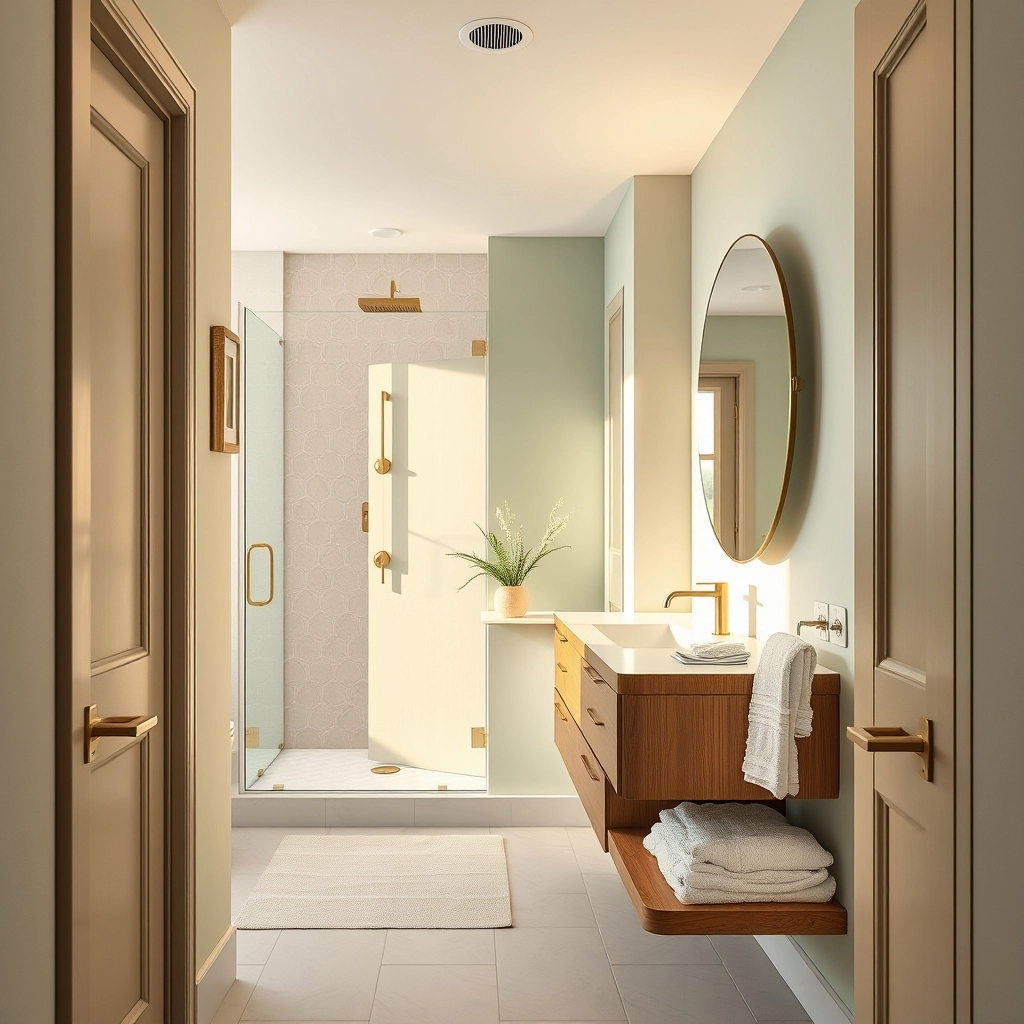
Getting the cost to add a bathroom right is about being honest with yourself. It’s a balance between what you want and what your house can actually do. The price tag is high. I know. But the value is there.
A new bathroom changes the daily flow. It makes the morning rush less of a fight.
Just make sure you do meticulous planning. Build in that safety buffer. Spend your money on quality mechanicals instead of just the trendy stuff you saw on Instagram. I want to hear about your projects. What hurdles are you hitting? Drop a comment. Let’s talk about the mess that is home renovation.