





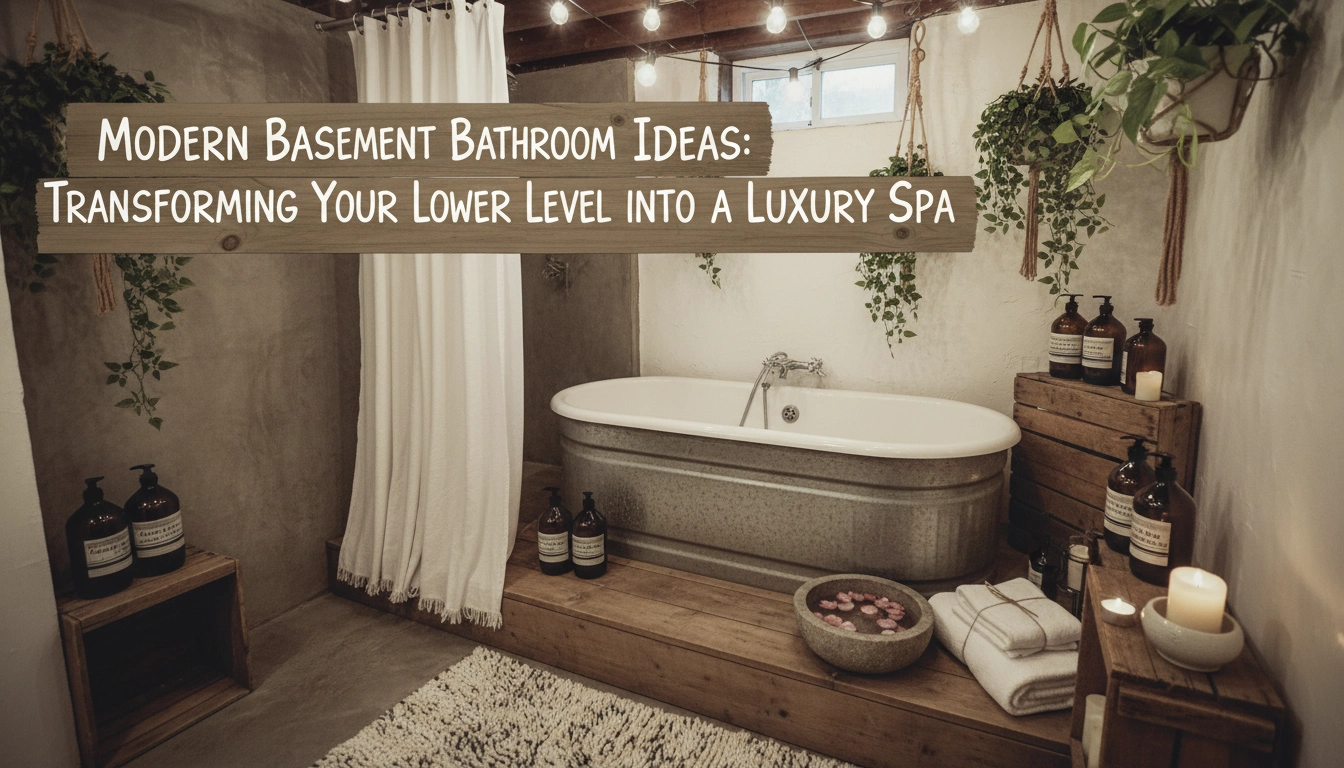

concrete floors in mid-january are basically giant ice cubes under your house. it’s a total mood killer. was over at salvadors place on royal ln recently and honestly the shivering was real while we looked at his old utility sink and those weird cobwebs. why do people live with these dungeon vibes? anyway i’m typing this fast while waiting for a stone delivery but listen… a basement bath isn’t about just sticking a toilet in a dark corner.
- Understanding the Basics of Subterranean Design
- Basement Bathroom Ideas for 2026: Smart Layouts and Plumbing Basics
- Small Basement Bathroom Ideas: Space-Saving Layouts and Compact Fixtures
- Moisture-Proof Basement Bathroom Ideas: Ventilation and Waterproofing
- Stylish Basement Bathroom Ideas: Lighting and Finishes for Lower Levels
- Cozy Basement Bathroom Ideas: Heated Floors and Spa-Inspired Features
- Conclusion
It’s about that transition. the feeling of not being underground anymore. actually it’s about the materials. the specific grit of the grout versus the cold, smooth slab. people forget that. don’t get me started on the plumbing… it’s a disaster if you don’t plan for the lift but so incredible when you finally get that first hot shower in a space that used to just hold christmas decorations and spiders.
Understanding the Basics of Subterranean Design
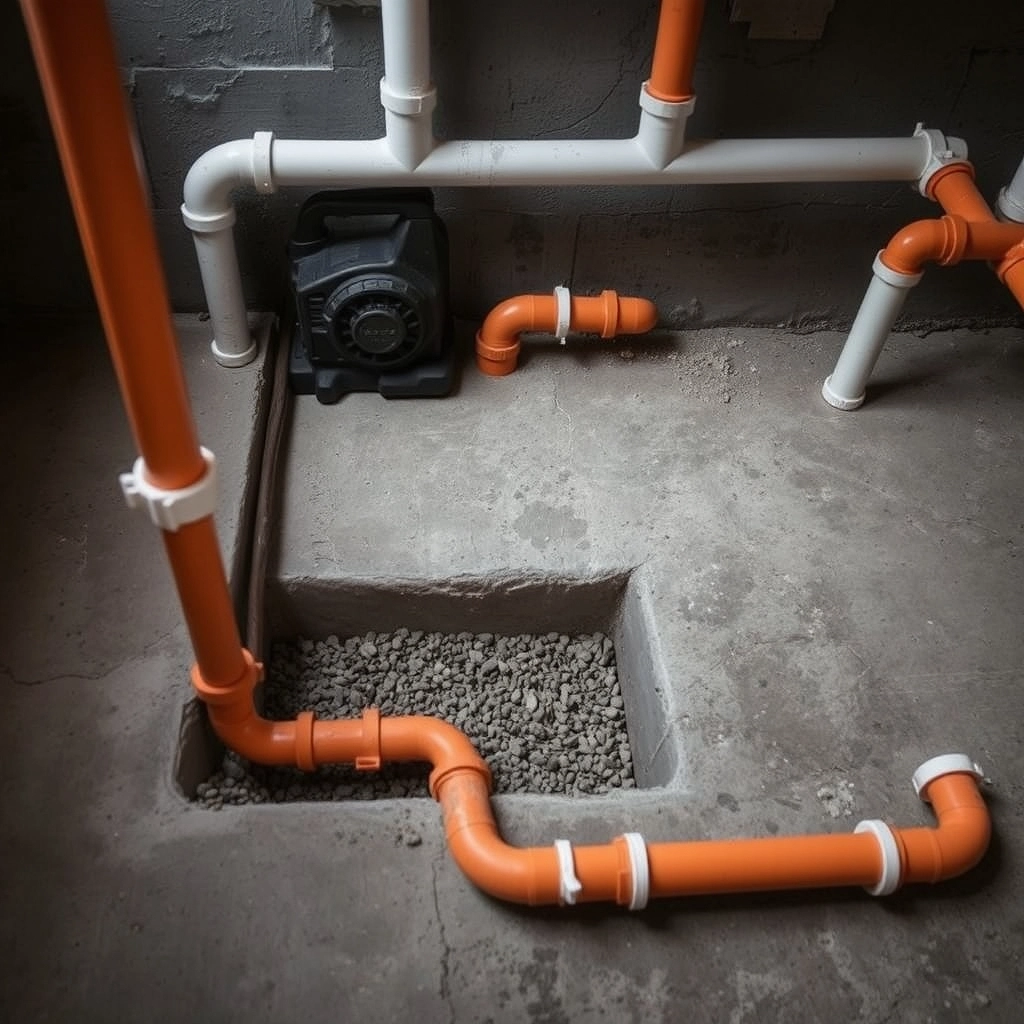
Before you start looking at expensive marble or fancy faucets, you have to realize that a basement bathroom is fundamentally different from a standard upstairs setup. We call it a wet zone for a reason. It is a space located below the primary grade (the ground level), which means gravity is not your friend here. Actually, the plumbing is the mechanical soul of the entire project. Most homes are built so that waste flows down through pipes into the city sewer line. In a basement, your pipes are often lower than that sewer line. This creates a physics problem that requires specific, pressurized solutions.
You cannot just cut a hole in the concrete and hope for the best. You have to think about the atmospheric control. It is about how the air moves and how the moisture stays away from your studs. A successful design rests on three things. Structural integrity. Atmospheric control. Ergonomic flow. If you miss one, the room feels like a cellar. If you get them right, it feels like an extension of the house. It is about making the transition feel natural rather than forced.
I put together a quick comparison because understanding why a basement is different from a second-floor bath is the number one thing homeowners miss.
| Feature | Standard Bath | Basement Bath | The Reality |
|---|---|---|---|
| Gravity | Works for you | Works against you | Needs a pump or trench |
| Plumbing | Simple drainage | Complex lift systems | Higher labor costs |
| Insulation | Standard | High-density required | Cold slab issues |
| Floor | Plywood subfloor | Concrete slab | Rigid and unforgiving |
My Take
If you do not respect the physics of the ‘wet zone’ you are just building a very expensive puddle.
Basement Bathroom Ideas for 2026: Smart Layouts and Plumbing Basics
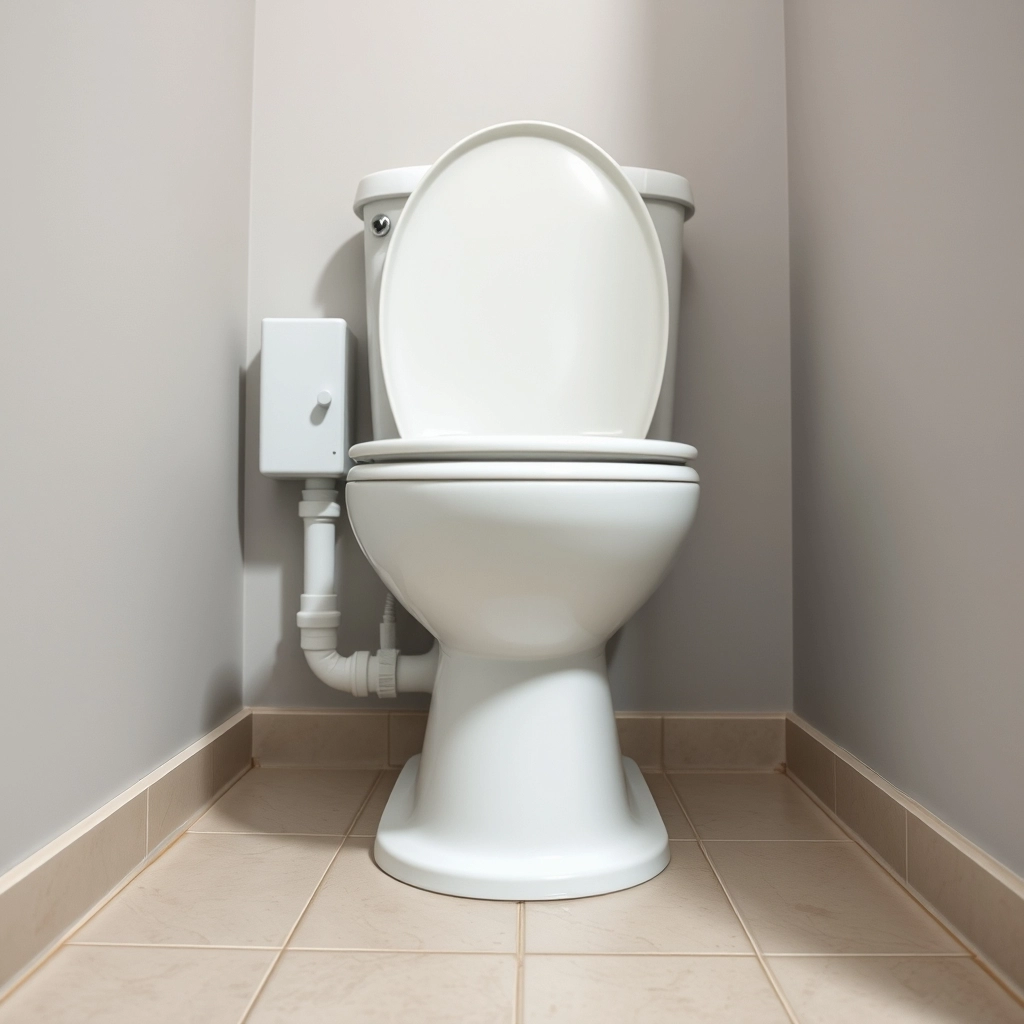
Looking ahead to the next few years, the way we handle water is changing. In 2026, the focus is on integrated smart systems. These are little sensors (leak detection modules) that tell your phone if a pipe is sweating too much or if a seal is failing. When you start sketching out your Basement Bathroom Ideas, the first thing you look for is the soil stack. That is the big, usually black or white pipe that runs vertically through your house. Actually, staying close to that stack saves you a massive amount of money because you do not have to jackhammer as much concrete.
If the builder was smart, they put in rough-in pipes when the house was built. If not, you are looking at trenching. It is messy. It is loud.
The Up-Flush Advantage
Actually, you can install a full bathroom suite without the high cost of breaking your concrete slab by utilizing a macerating pump system (often called an ‘up-flush toilet’) which sits behind the toilet and pumps waste vertically to your main line.
Privacy is another big thing. Don’t put the bathroom door right in the middle of where people watch movies. It is awkward. You want it tucked away. Soundproofing the walls (using Roxul or similar mineral wool insulation) is a must-do step that most people skip. They regret it later when they can hear every flush from the sofa. A bathroom should be a private island.
Small Basement Bathroom Ideas: Space-Saving Layouts and Compact Fixtures
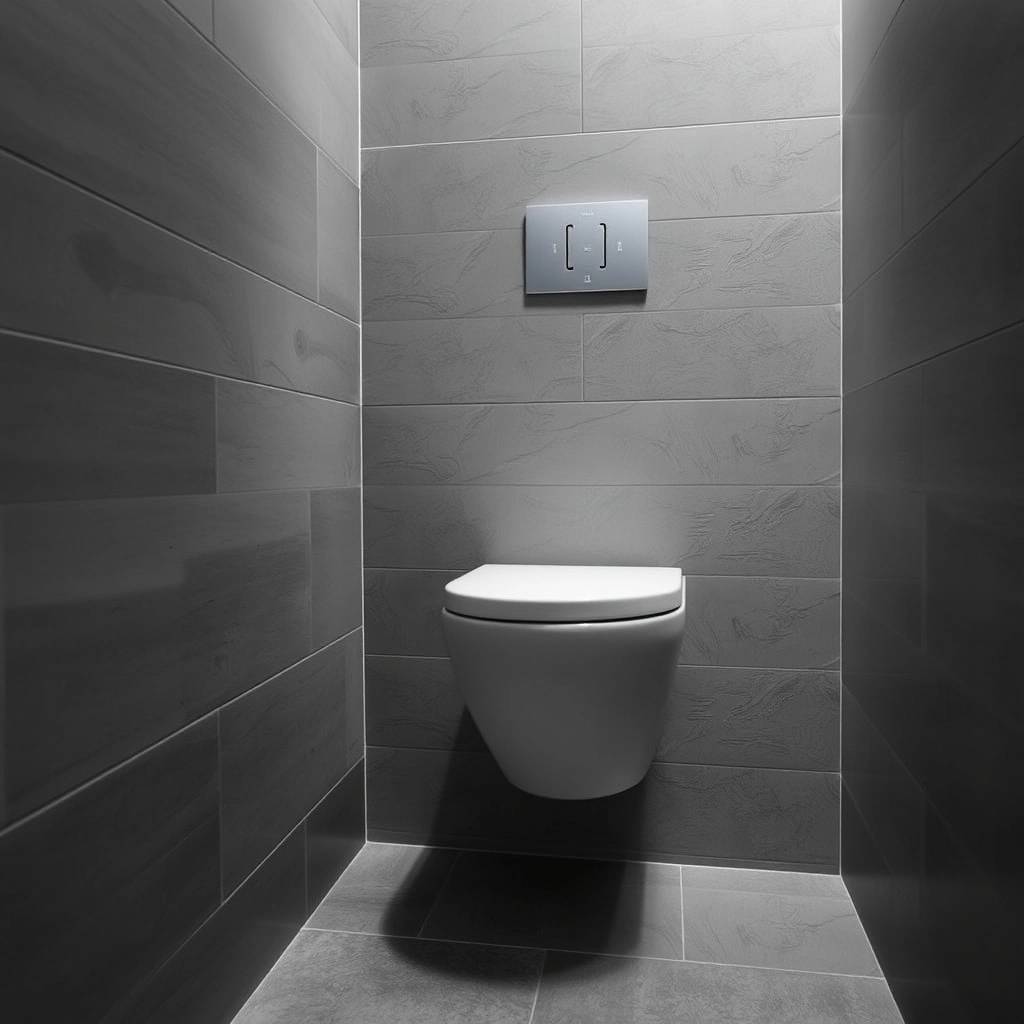
If you are working with a tiny footprint, you have to be clever. One trick I always use is visual continuity. This is when you take the floor tile and run it straight up the back wall of the shower. It tricks the eyes. It makes the boundaries of the room disappear. For the shower itself, I almost always suggest a curbless entry. No step-up. Just a flat floor and a single sheet of fixed glass. It stops the visual stutter that happens when you have a big plastic shower base.
Compact fixtures are where you save the most space. A wall-hung toilet (with the tank hidden in the wall) is a very sophisticated move. It keeps the floor clear. Actually, when you can see the floor all the way to the wall, the room feels bigger. It also makes cleaning much easier because you aren’t scrubbing around the base of a porcelain throne.
For the vanity, look at shallow-depth cabinets. You only need about 18 inches to have a functional sink. A floating vanity with LED strips underneath creates a glow that makes the heavy cabinet look like it is drifting. In a room with no windows, that kind of lighting is everything. It takes away the heavy, cramped feeling of a basement.
When you are fighting for every inch in a tight layout, you have to know which fixtures give you the most bang for your buck in terms of space.
| Fixture | Standard Size | Compact Option | Space Saved |
|---|---|---|---|
| Toilet | 30 inches deep | 24 inches deep | 6 inches of floor |
| Vanity | 21 inches deep | 15 to 18 inches | More walk-way room |
| Shower | 36 by 36 inches | Neo-angle or Curbless | Visual openness |
My Take
In a small basement, inches feel like miles, so choose fixtures that let the floor breathe and keep the lines clean.
Moisture-Proof Basement Bathroom Ideas: Ventilation and Waterproofing
Humidity is the enemy. It is the one thing that will ruin a project faster than anything else. A weak fan is a waste of money. You need a ventilation strategy that actually moves air. I tell my clients to look for a unit with at least 110 CFM (cubic feet per minute). It also needs a low sone rating. Nobody wants a fan that sounds like a jet engine when they are trying to relax.
The fan should have a humidity sensor. It turns on by itself. You don’t even think about it. This keeps the air from getting heavy and smelling like a locker room.
The Mold Trap
Never use standard green-board drywall in a basement shower area. Even if it is moisture-resistant, it is not waterproof. Always insist on a dedicated cement board or a proprietary waterproof membrane system like ‘Schluter-Kerdi’ to ensure a lifetime of mold-free walls.
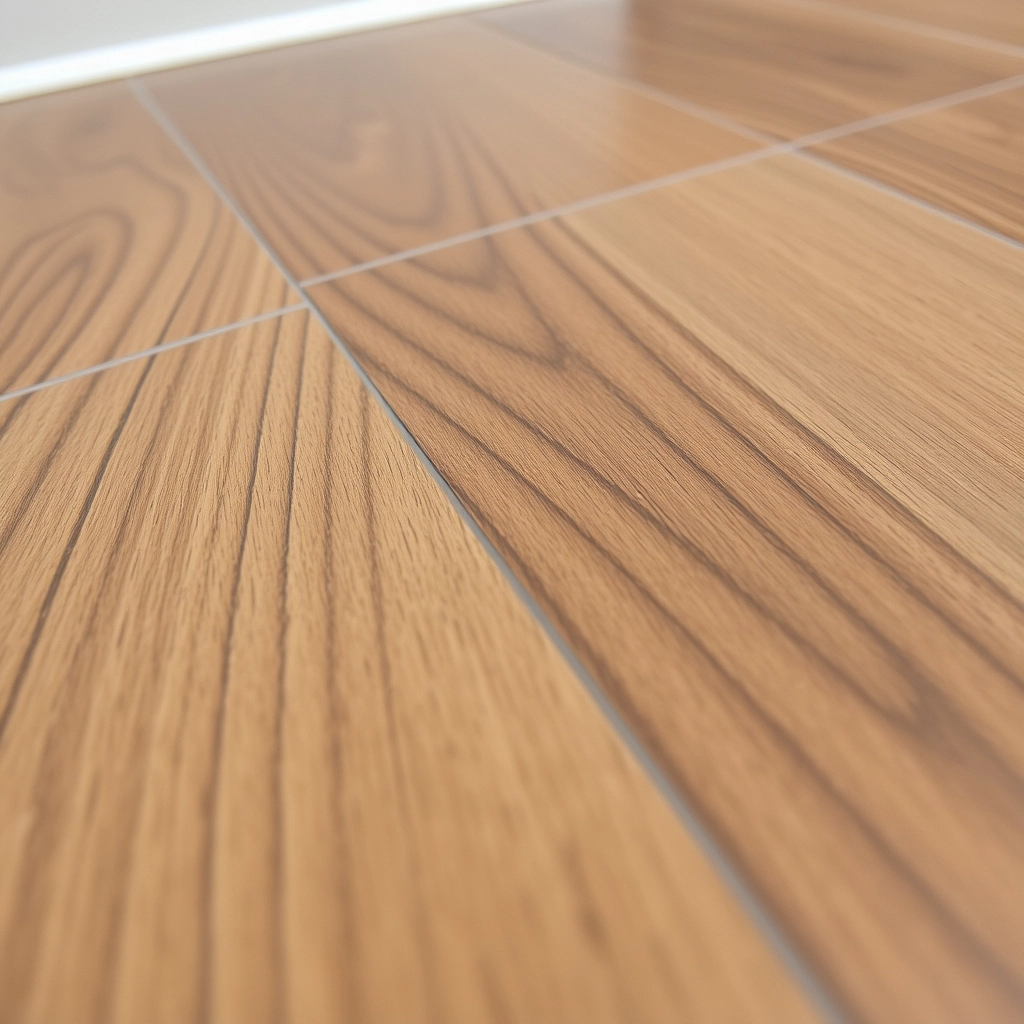
Floor choice is also about moisture. Wood is a bad idea. I don’t care how engineered it is. Basements are risky for wood. Porcelain tile is the king here. It has a zero-percent absorption rate. If you want the look of wood, use wood-look porcelain planks. They look great and they can handle a flood.
Porcelain is also a thermal mass. If you put radiant floor heating under it, the tile holds the heat. It stays warm for a long time. It is the most durable thing you can put in a high-use area.
I created this simple cheat sheet to help you navigate the mold trap and pick materials that can actually handle the subterranean life.
| Material | Water Absorption | Best Use | Durability |
|---|---|---|---|
| Porcelain | Near Zero | Floors and Walls | Highest |
| Ceramic | Low | Walls Only | Moderate |
| Luxury Vinyl | Zero | Budget Floors | High |
| Natural Stone | High | Accents Only | Requires Sealing |
My Take
Porcelain is the undisputed heavyweight champion of the basement bathroom because it is basically indestructible.
Stylish Basement Bathroom Ideas: Lighting and Finishes for Lower Levels
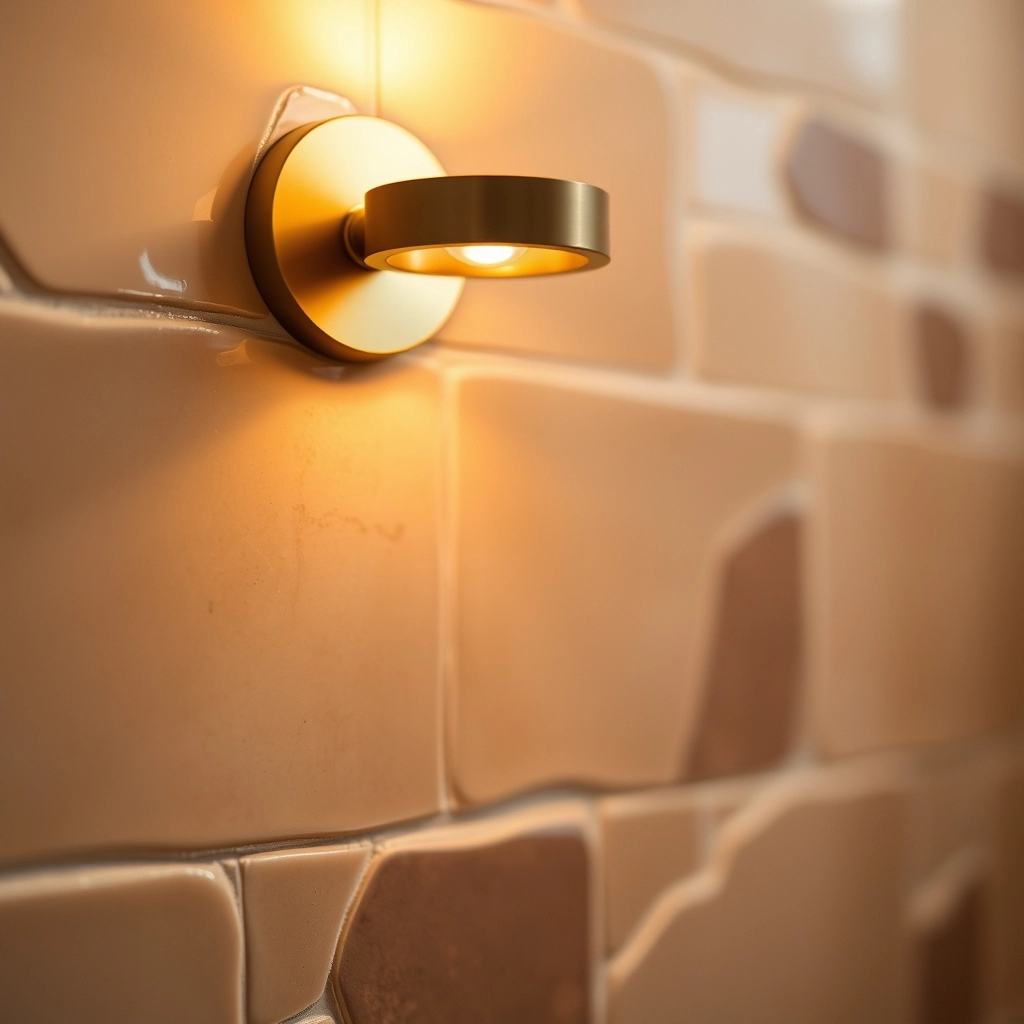
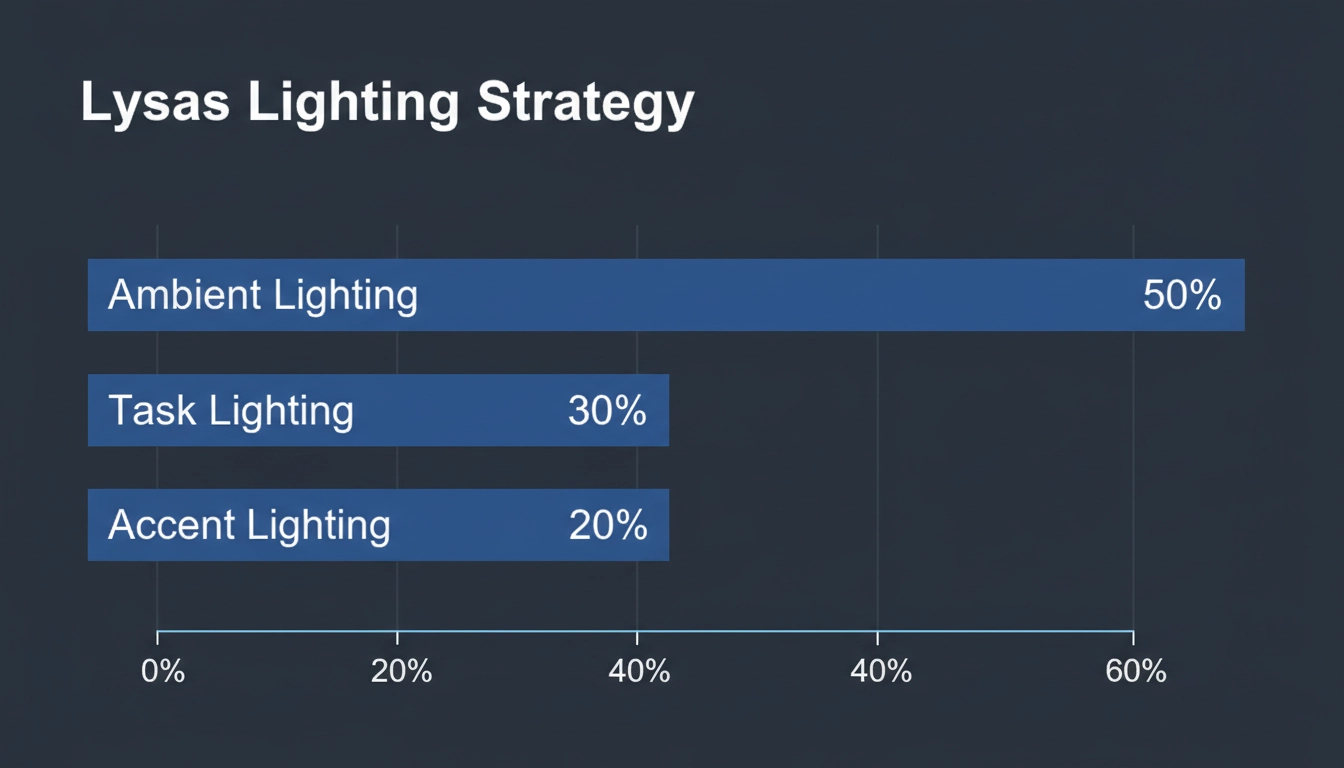
Lighting is your best friend in a dungeon. You have to layer it. If you just put four can lights in the ceiling, the room looks like a gas station bathroom. You need task lighting and accent lighting. Sconces are the secret. Put them at eye level. This stops the harsh shadows that overhead lights put on your face.
Actually, don’t use stark white paint. People think it makes the room brighter. It doesn’t. In a basement, white paint often looks gray and sad. Use warm neutrals. Think about colors like taupe, or mushroom, or greige. These colors have enough pigment to look intentional but they still reflect the light.
If you want a splash of color, put it on the vanity or use a zellige-style tile. These tiles have a glossy, uneven surface (hand-made look). They catch the light in a way that is totally unpredictable. It adds depth. It makes a windowless room feel like it has some life in it.
Lighting is more than just bulbs; it is about creating a mood, and this is how I usually balance the layers in a windowless space.
My Take
The ‘accent lighting’ is what makes it feel like a spa rather than a utility closet; never skip the dimmers.
Cozy Basement Bathroom Ideas: Heated Floors and Spa-Inspired Features
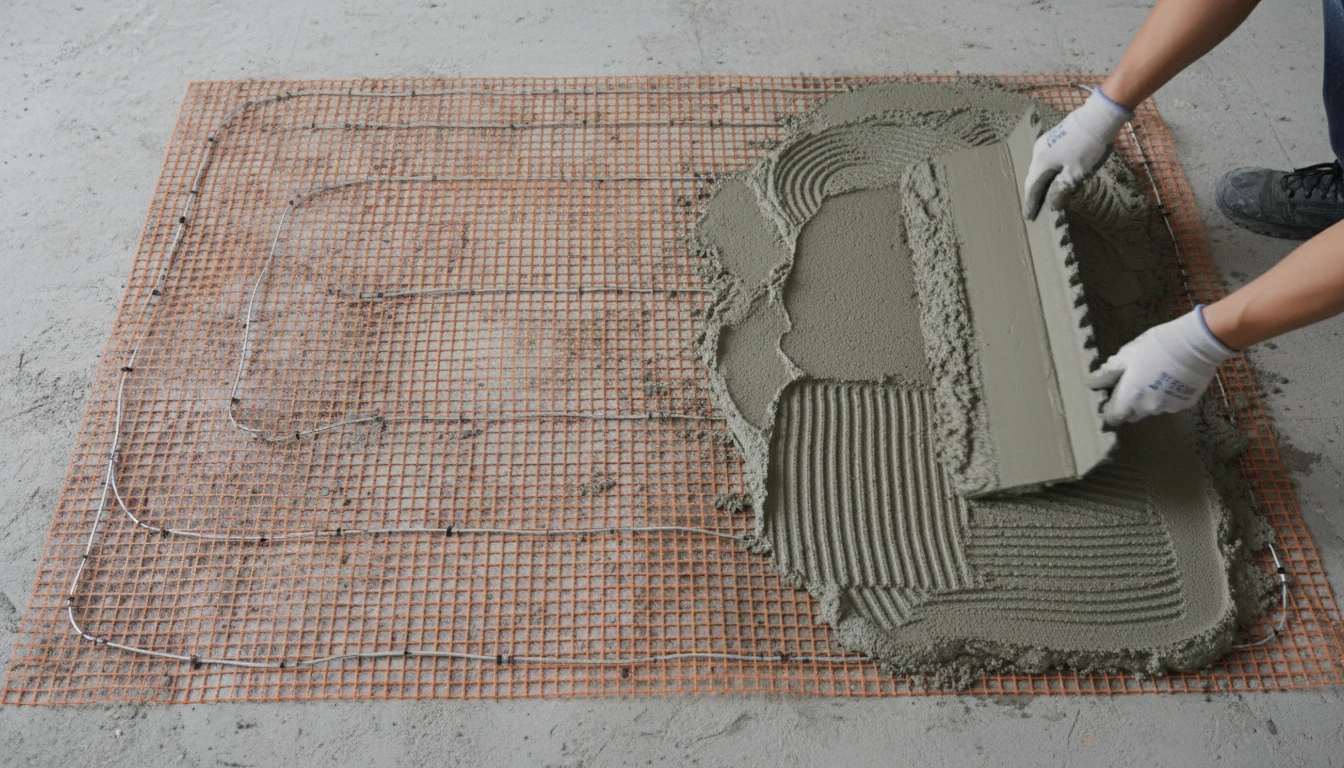
The goal is a wellness retreat. You want to walk down those stairs and feel like you are at a spa, not in your basement. Radiant floor heating is the way to do this. It is not a luxury anymore; it is a basic requirement for a cold basement. Walking onto a warm floor changes the way you feel about the room. It signals to your brain that this is a living space.
It is easy to install when the tile is going down. It is just a thin electric mat. It pays for itself in comfort every single morning.
The Warmth Factor
To truly elevate the ‘cozy’ factor, consider installing a hard-wired towel warmer. It acts as a secondary heat source for the room and provides the incredible luxury of a hot towel after every shower.
In 2026, biophilic design is huge. This is just a fancy way of saying bring in nature. Use natural stone. Use wood-look tiles. You can even use a preserved moss wall. Moss doesn’t need light. It stays green and soft and it dampens the sound. It turns a boring bathroom into a private sanctuary. It is about your health. It is about your well-being.
Conclusion
Building a basement bathroom is a big job. It is a journey. You need technical skill and you need a vision. Focus on the plumbing. Focus on the moisture. Focus on the light. If you do those three things, you can turn a dark corner into the best part of your house. Whether it is a small powder room or a big spa, the rules are the same. Don’t settle for boring. Actually, what do you think about building underground? Have you done it? Let us know.