






Most people walk into a showroom and get stars in their eyes over a shiny acrylic shell without realizing they are staring at a five-ton debt machine. Total amateur mistake. I was just talking to Ellen about this up on Church Road—people see eight thousand dollars on a sticker and think that is the check they write. Wrong. You have to factor in the slab, the sparky, and the fact that your electric meter is about to start spinning like a propeller. It is messy.
It is expensive. If you do not have a 15 percent buffer ready to go, you are just asking for a mid-project heart attack. Honestly, I have seen more backyards ruined by affordable tubs than by bad landscaping. Just keeping it real here.
Hot Tub Prices are not some fixed thing you find in a catalog. They move. They shift. Global logistics and the price of high-density foam are always in flux. If you go into this without a cold, analytical eye on the total ownership costs, your backyard oasis is going to turn into a financial pit faster than you can say hydrotherapy.
I put together a quick look at the hidden numbers so you can see exactly where your money goes before the first drop of water hits the shell.
| Expense Category | Typical Cost Range | Why It Matters |
|---|---|---|
| Electrical Circuit | $800 to $2,500 | Requires a dedicated 240V line |
| Foundation Slab | $1,500 to $3,500 | Supports the massive weight |
| Delivery and Crane | $200 to $800 | Getting it into the backyard |
My Take
Budget for the ‘invisible’ stuff first or you will be staring at a dry tub for six months while you wait for the electrician.
Quick Access
To find the most accurate information for your project, browse our sections on ‘2026 price trends’, ‘installation requirements’, and ‘monthly maintenance budgets’ below.
Understanding the Basics of Spa Valuation
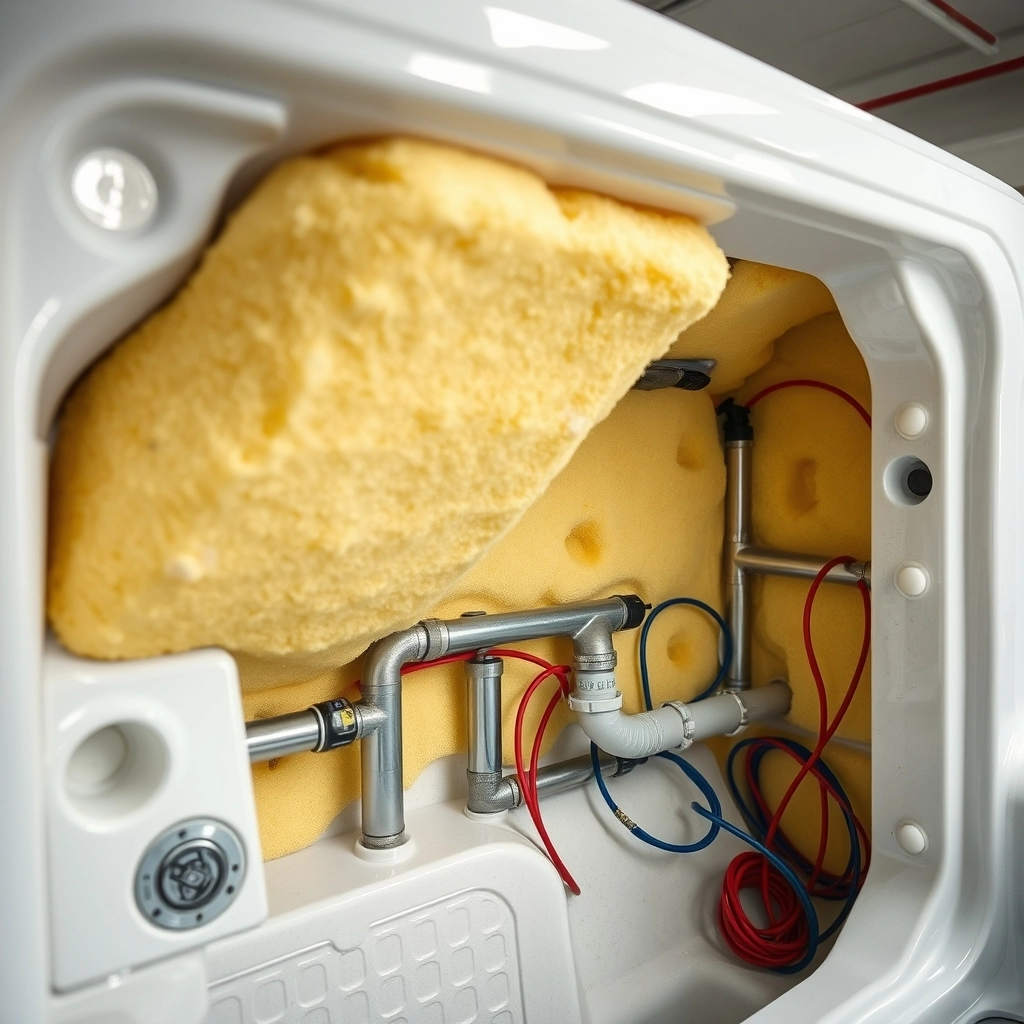
You have to look at what you are actually buying. A hot tub is a machine. It is a complex beast of jetted bathtubs and electronics wrapped in a shell. You are paying for the guts, not the shiny plastic. The primary cost drivers are the pump quality and the density of that foam insulation.
Do not get distracted by the LED lights. Those are cheap. The real money is in the R-value of the cabinet and whether the manufacturer will actually exist in five years to sell you a replacement heating element. I have seen buyers save two grand upfront only to hand that money right back to the utility company because the tub had the insulation thickness of a coffee cup. It is a bad trade. Every single time.
Cheap models use rotomolded plastic. It is fine for a starter tub, but it leaks heat. Premium units use cast acrylic. It is reinforced with fiberglass. It costs more. It lasts longer. It stays hot. If you want a long-term energy commitment that does not break the bank, you pay more on day one.
You should check out how these materials stack up against each other because longevity is the name of the game in this business.
| Material Type | Expected Lifespan | Energy Efficiency | Initial Price |
|---|---|---|---|
| Inflatable Vinyl | 1 to 3 Years | Very Low | Lowest |
| Rotomolded Plastic | 10 to 15 Years | Moderate | Mid-Range |
| Cast Acrylic | 20 Plus Years | High | Premium |
My Take
Acrylic is the only way to go if you plan on staying in your home for more than ‘three years’ because the energy savings will pay for the upgrade.
The Shell Material Matters
Most premium units use ‘cast acrylic’ reinforced with fiberglass. This material is more expensive than the ‘rotomolded’ plastic found in entry-level tubs but offers superior heat retention and a much longer lifespan.
Hot Tub Prices 2026 Guide
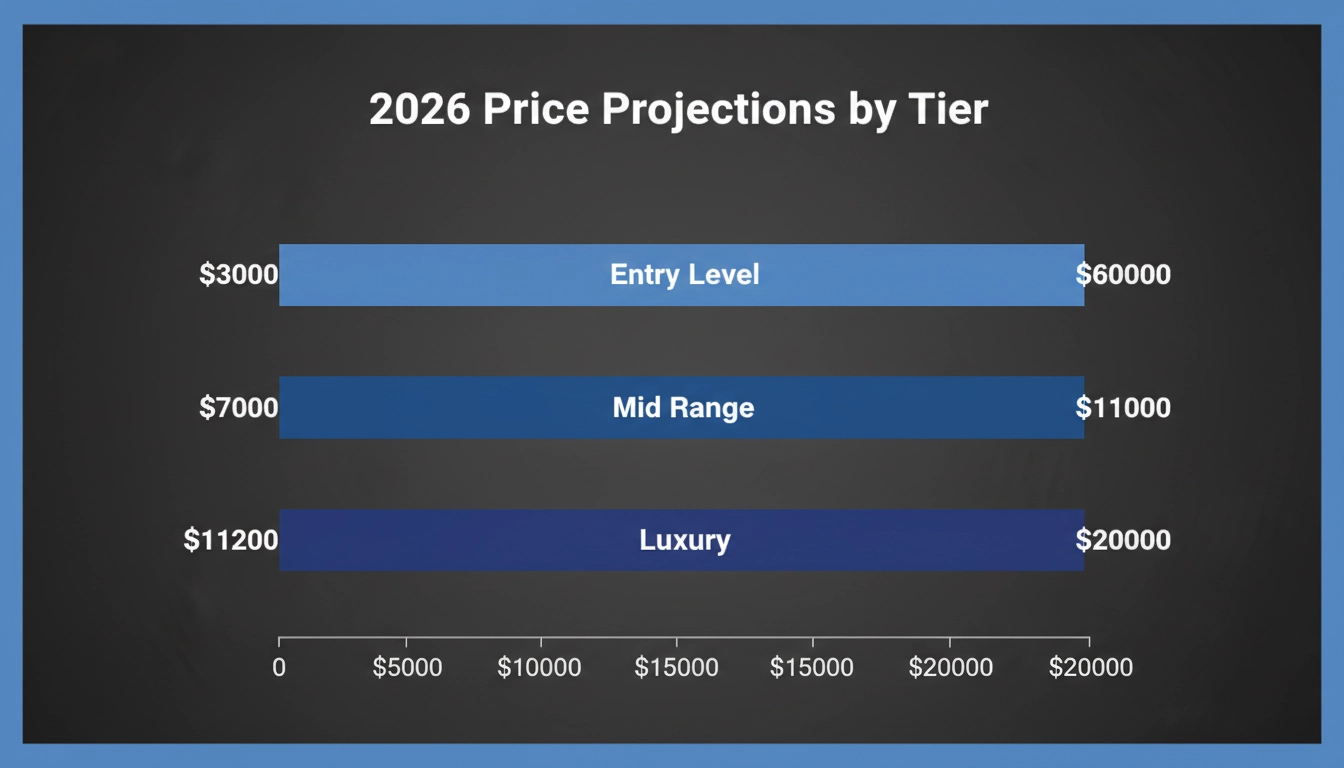
Looking at the 2026 data, things are finally calming down after the total madness of the last few years. We are looking at a three to five percent bump in Hot Tub Prices across the board. This is mostly driven by the specialized sensors and the freight costs for the heavy components.
For a decent 2 person jacuzzi tub, you are looking at six thousand dollars for the middle of the road. If you want the bells and whistles, the luxury rigs are hitting sixteen thousand or more. It is a lot of money for hot water.
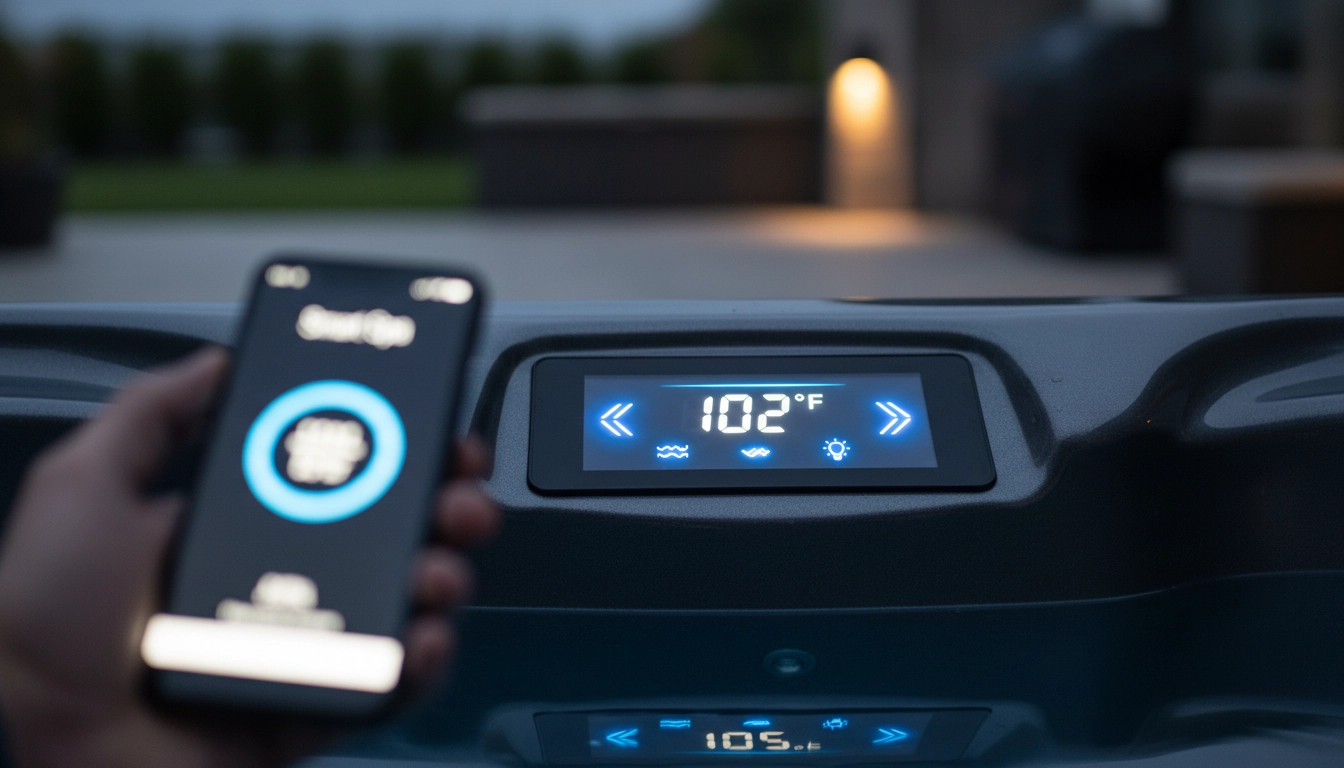
The tech is getting weirder too. Manufacturers are shoving smart home integration into everything. You can check your water temp from your phone while you are at work. Is that worth an extra thousand dollars? Probably not for most people, but it is becoming the standard. The value proposition is shifting toward these built-in features like salt-water systems.
You have to be careful. Do not pay for a smart tub if you just want to sit in hot water and look at the stars. Distinguish between a mechanical necessity and a gadget. That is how you keep the budget from exploding.
I tracked the price movement for 2026 across the different market segments to give you a 2026 budget guide.
My Take
The ‘smart features’ are driving up the sticker price in 2026, but they do not make the water any hotter or the jets any stronger.
Above-Ground vs In-Ground Hot Tub Prices
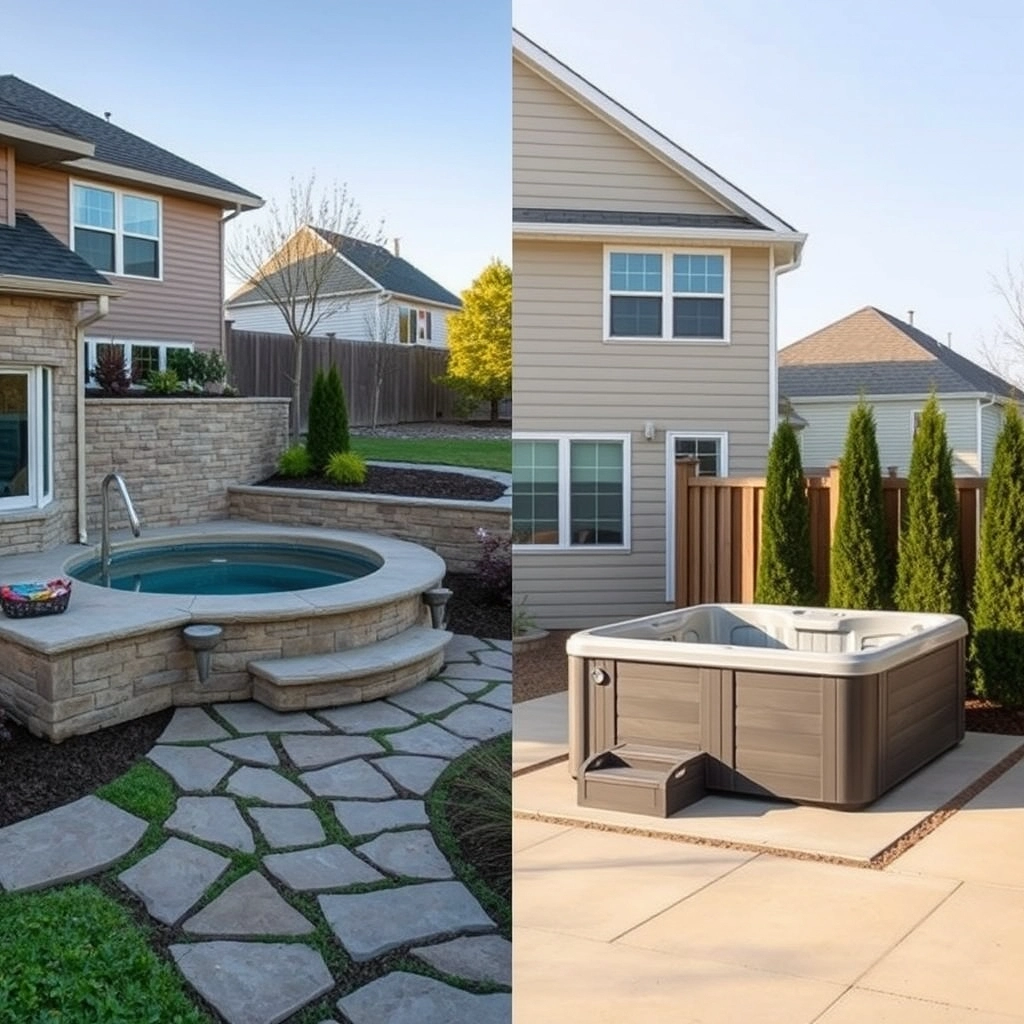
This is where people lose their minds. An above-ground tub is an appliance. You buy it, you drop it, you fill it. It costs two to fifteen thousand. An in-ground unit? That is a construction project. You are looking at fifteen to thirty thousand, easy. Maybe more if your dirt is stubborn.
The masonry work alone can kill a budget. You are dealing with trenching and permits and structural engineering. The financial gap here is huge. One is a portable box. The other is a permanent part of your real estate.
I look at the risk. In-ground tubs have massive asset depreciation. You put thirty thousand into the ground, and you might see five thousand of that back when you sell the house. Maybe. Above-ground units can be sold on the secondary market or moved to your next house.
If you want hydrotherapy, buy the box. If you want a magazine-cover backyard and you do not care about the ROI, go in-ground. Just know what you are getting into.
The cost difference between these two paths is basically the price of a small car, so look at these numbers closely.
| Comparison Point | Above-Ground Spa | In-Ground Custom |
|---|---|---|
| Average Base Cost | $6,000 | $22,000 |
| Installation Time | 1 Day | 3 to 5 Weeks |
| Portability | High | Zero |
| Maintenance Access | Easy | Difficult |
My Take
Unless you have ‘limitless’ cash, stick to above-ground units for a much better return on your investment.
In-Ground Hidden Costs
Remember that in-ground units often require ‘separate equipment pads’ located away from the tub. This requires extensive trenching and plumbing work that can easily add five thousand dollars to your total budget.
Average Cost to Buy and Install a Hot Tub
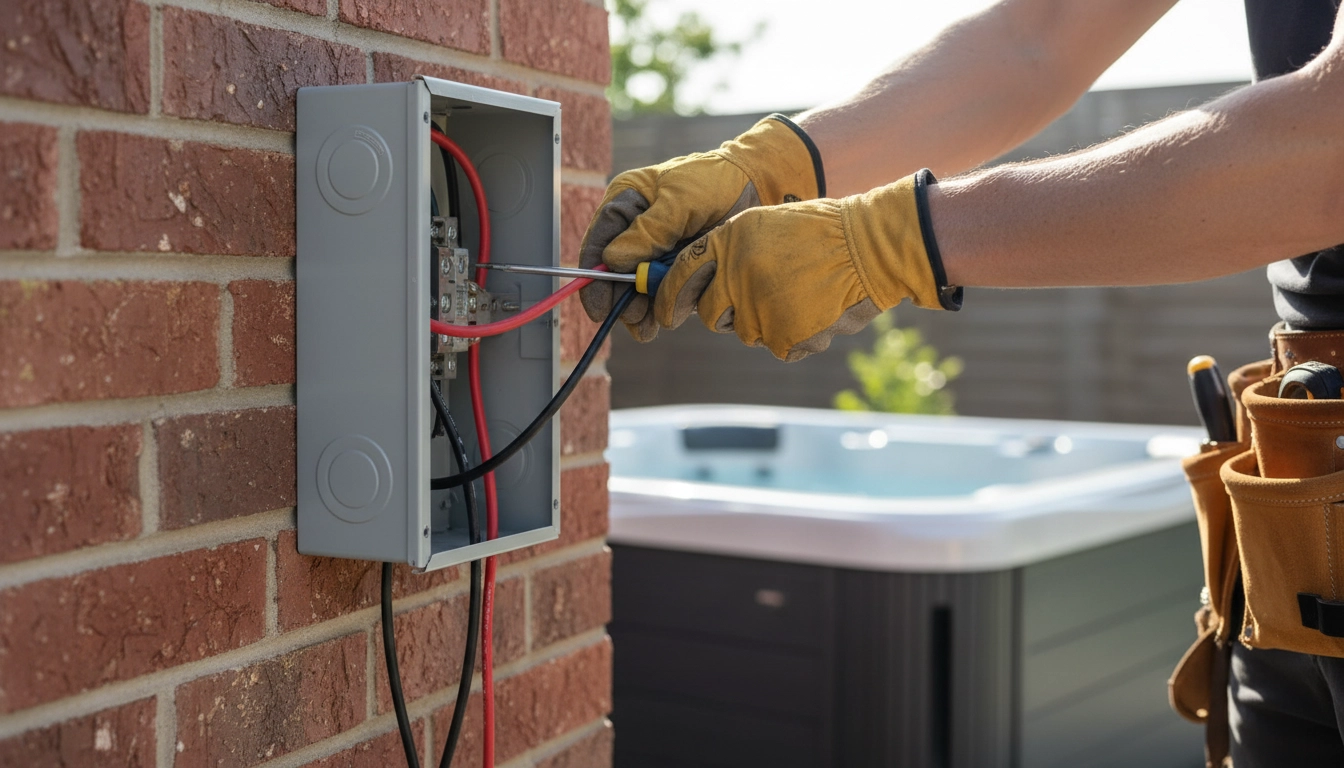
The real number for most people ends up between eight and twelve thousand. That is the all-in price for a quality unit, the delivery, the electrical, and the pad. If someone tells you they got a full setup for five grand, they are either lying or they bought a glorified bathtub.
The electrical is the big if. You cannot just plug a real hot tub into a wall. You need a 240-volt circuit. That means a licensed professional. That means an expensive copper wire run from your main panel to the backyard.
Installation is the budget breaker. If your panel is full, you are looking at a sub-panel or a service upgrade. That is another two grand. If your deck is not beefy enough to hold five thousand pounds of water and humans, it will collapse. Not a joke. I tell everyone to keep that 15 percent buffer. You will need it for the gravel or the concrete or the extra fifty feet of wire the sparky didn’t quote you for.
I broke down the labor costs into a bathroom remodel timeline so you know what to expect when the contractors start handing you invoices.
| Service Provider | Low Estimate | High Estimate |
|---|---|---|
| Master Electrician | $1,200 | $2,800 |
| Concrete Contractor | $1,000 | $2,500 |
| Structural Carpenter | $800 | $3,000 |
My Take
Always get a ‘fixed quote’ for the electrical work before the tub arrives on your driveway or you might get a nasty surprise.
Hot Tub Price Ranges by Type and Size
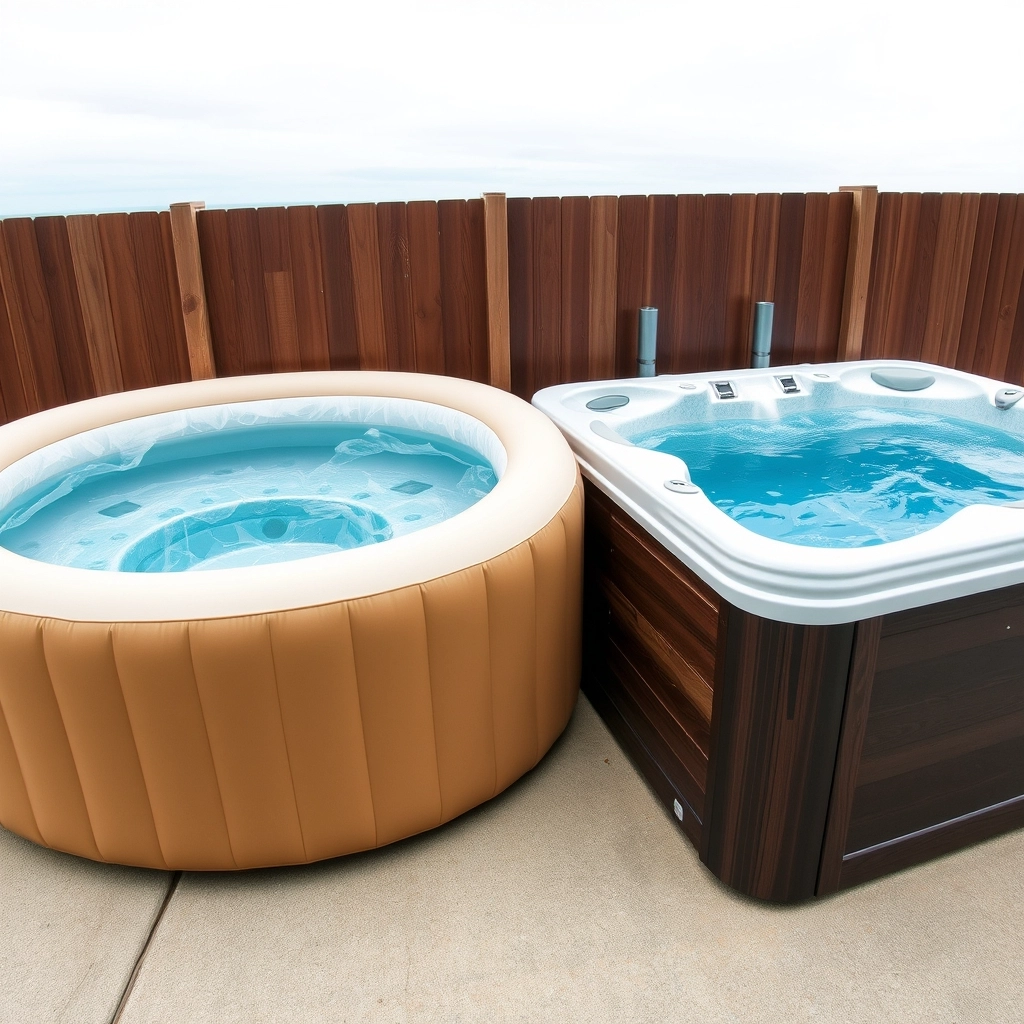
Inflatables are the bottom. Four hundred to a thousand bucks. They are okay for a summer, but they are basically heavy-duty balloons. They do not hold heat. They do not last.
compact spas are the plug and play tier. Two to five thousand. They are tough. They are light. They look a bit like a cooler, but they work. Great for renters or people who move a lot.
The sweet spot is the mid-range acrylic. Six to eleven thousand. This is where you get the real insulation and the good jets. It will last twenty years if you do not treat it like trash. It is the best balance of cost and longevity.
Then you have the luxury tier. Twelve thousand and up. You get the fancy cabinetry. You get the multi-stage filtration. It is nice, but it is a luxury. You are paying for the experience at that point.
I categorized these by how much headache they cause versus how much they actually cost to own over ten years.
| Market Tier | Price Range | Durability Rating |
|---|---|---|
| Entry Level | $2,000 to $5,000 | Low to Moderate |
| Mid-Range | $6,000 to $11,000 | High |
| Luxury Tier | $12,000 Plus | Very High |
My Take
The mid-range acrylic tub is the ‘gold standard’ for a reason; it is the best balance of price and performance.
Size and Efficiency
Do not buy a seven-person tub if only two people will use it. Larger tubs require ‘more energy’ to heat and more chemicals to treat. Buying the right size for your actual usage is a simple way to control long-term costs.
Monthly Cost to Run and Maintain a Hot Tub
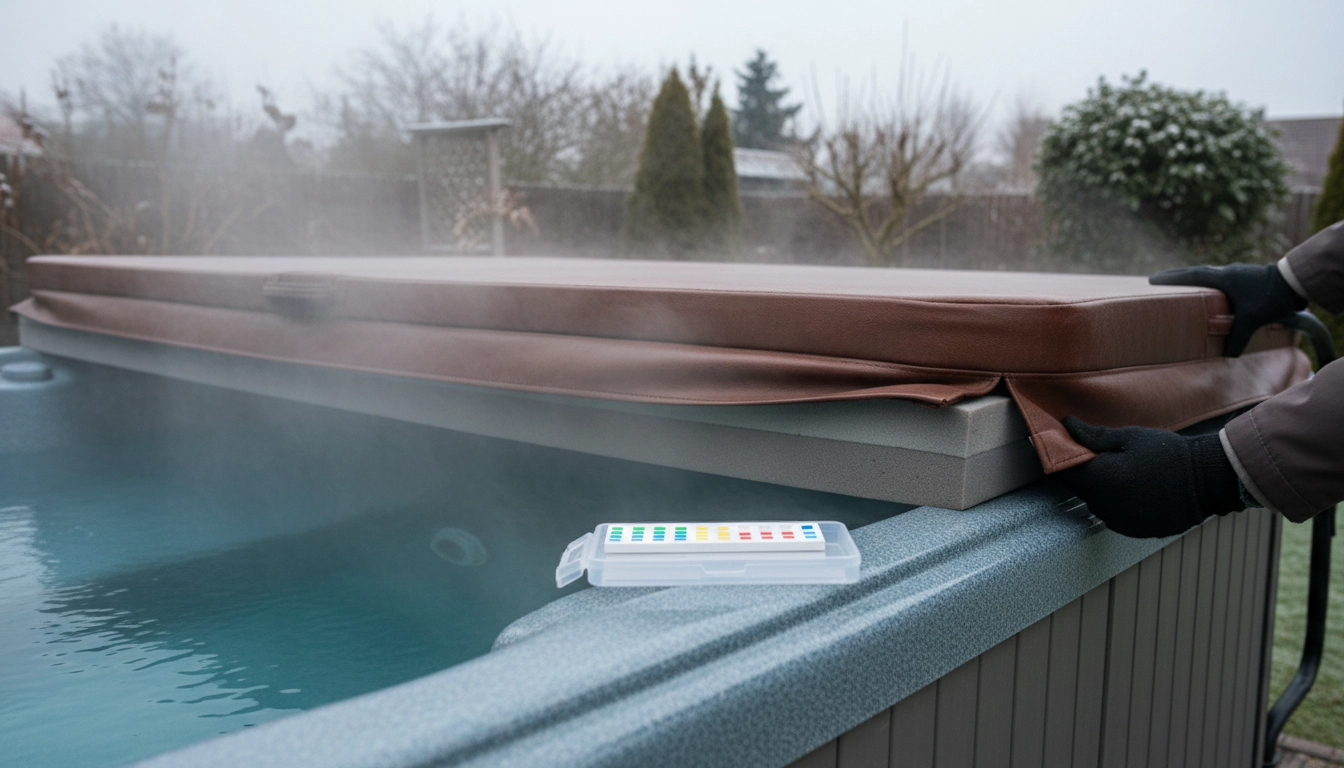
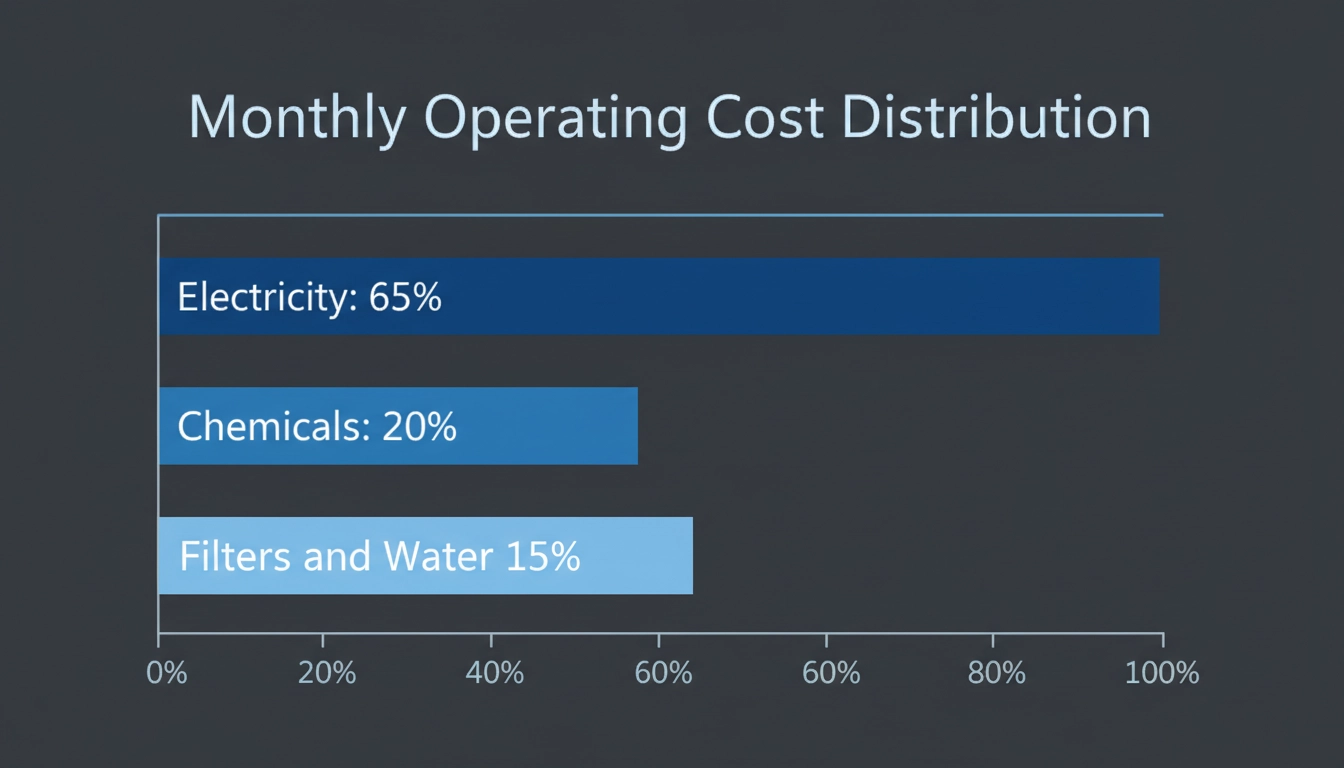
You are looking at thirty to a hundred bucks a month to keep it running. Electricity is the big one. If you live somewhere cold and you bought a cheap tub with bad insulation, expect that bill to hurt in January. Hot Tub Prices are just the entry fee.
Maintenance is the other part. Chemicals. Chlorine. Bromine. pH balancers. You have to stay on top of it. If you let the water go south, it eats the seals in your pumps. Then you are looking at a thousand-dollar repair because you didn’t want to spend ten minutes a week testing the water.
Salt-water systems are cool. They cost more upfront. They save a bit on chemicals. They feel better on the skin. But they are not maintenance-free. Nothing with five hundred gallons of hot water is maintenance-free. It is a pet that you sit in.
The monthly bill is a mix of power and chemicals, and I put together a breakdown of where that money actually goes.
My Take
A high-quality ‘thermal cover’ pays for itself in just a few months of winter usage by keeping the heat where it belongs.
Conclusion
Getting a handle on Hot Tub Prices means being honest about the total cost. Do not listen to the guy in the polo shirt