





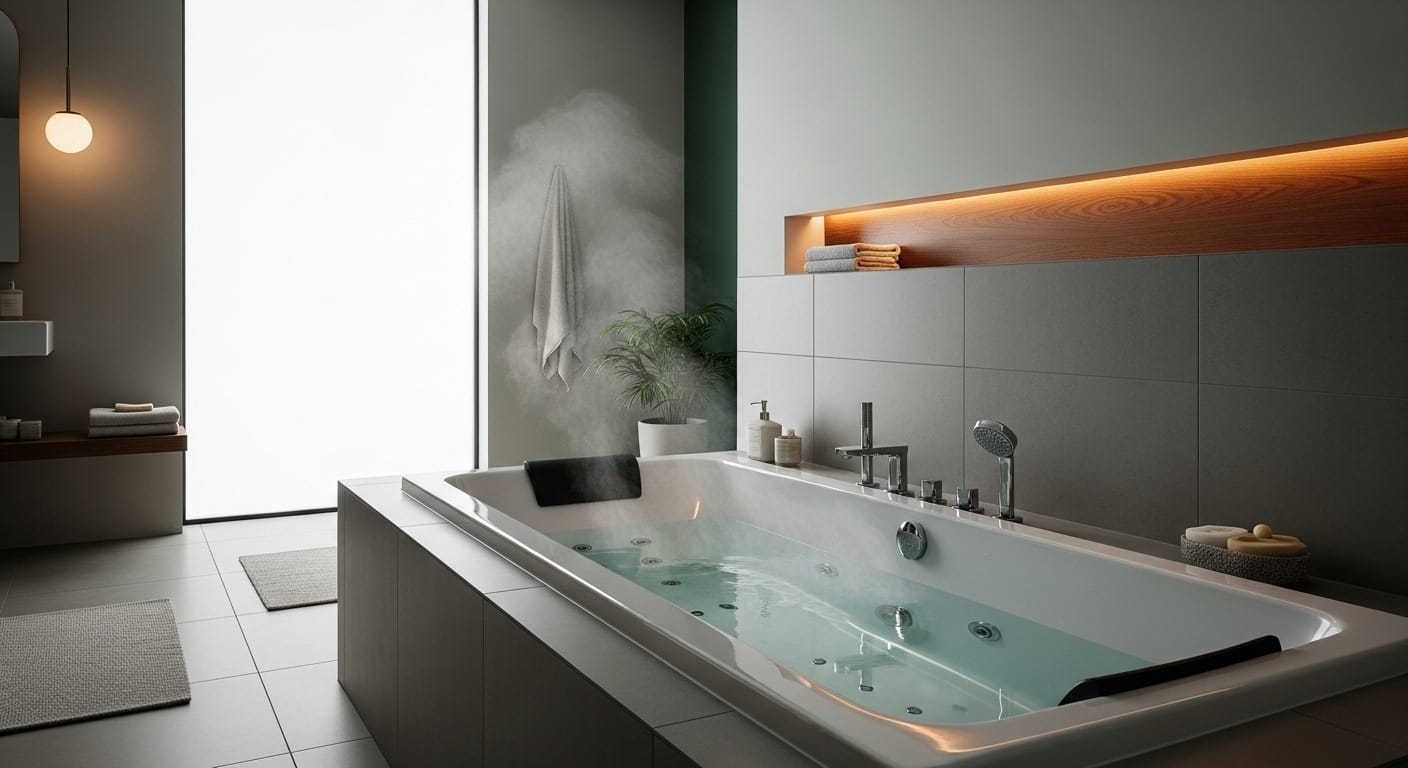

Alright, homeowners, let’s talk about the jacuzzi tub. You know, that beautiful, bubbling oasis that promises pure relaxation right in your own home. As a contractor, I’ve seen countless homeowners dream of one, and I’ve installed just as many. It’s a fantastic amenity when done right, but believe me, there’s a whole lot more to it than just picking one out from a showroom floor.
My goal here is to give you the honest truth, straight from someone who’s been elbow-deep in the plumbing and wiring of these things for years. We’re going to dig into the real costs, the different types, and what it truly takes to bring that spa experience into your bathroom or even a dedicated indoor space. Get ready for the straightforward facts on your potential jetted tub or indoor hot tub project.
Understanding the True Cost of Jetted Tubs and Indoor Hot Tubs
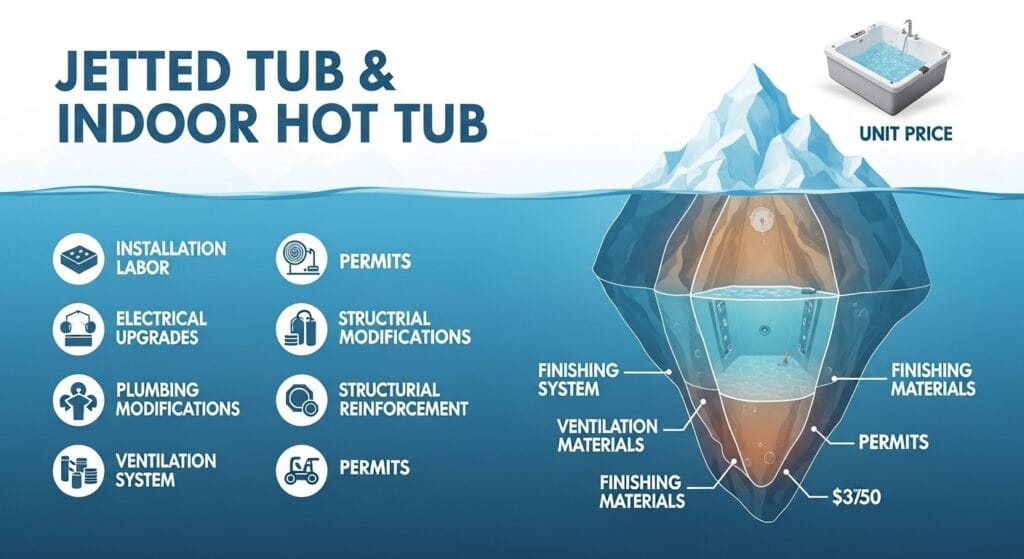
When folks first ask me about hot tub prices or jetted bathtub costs, their eyes often widen when they hear the real numbers. It’s not just the price tag of the unit itself; there are significant installation and preparation costs that many homeowners overlook. My job is to make sure you’re prepared for the full picture, so there are no nasty surprises down the line. We’re talking about a significant investment, and you deserve to know exactly where your money is going.
Breaking Down Jetted Bathtub Costs
Let’s start with jetted bathtubs. The tub unit itself can range quite a bit. A standard drop-in acrylic jetted tub from a reputable brand like Kohler’s Archer series or an American Standard EverClean can typically start around $2,500 and go up to $8,000 or more. This is for larger, more luxurious models with advanced features like chromotherapy lighting or integrated heaters. But that’s just the tub. Installation is where a lot of the hidden costs lie for jetted bathtub costs.
You’ll need a dedicated electrical circuit, often a 120-volt, 20-amp, or even a 240-volt, 30-amp circuit depending on the model and its heater. That means running new wiring from your electrical panel, which can cost anywhere from $500 to $1,500 if your panel is far away or needs an upgrade. Then there’s the plumbing: new water lines, a drain, and often specific fittings.
Beyond that, think about demolition of the old tub, structural reinforcement if your floor joists aren’t up to the task of holding several hundred pounds of water and tub, and then the finishing work. This includes tiling around the new tub deck, framing, and an access panel. In my experience, the labor and material costs for installation can easily add $2,000 to $5,000 on top of the tub itself, depending on the complexity of your existing bathroom and local labor rates.
The Investment in an Indoor Hot Tub
Now, if you’re thinking about a full-blown indoor hot tub, we’re moving into a whole different league of investment. These are larger, often deeper, and designed for more sustained use, sometimes seating multiple people. Units from brands like Caldera Spas or Sundance Spas can start at $6,000 for basic models and soar to $15,000 or even $20,000+ for high-end, feature-packed spas.
The installation costs for an indoor hot tub are substantially higher than for a jetted bathtub. You’re looking at needing a dedicated 240-volt electrical circuit, often 50 or 60 amps, which can be a significant electrical upgrade. Structurally, the weight of a full-sized hot tub, filled with water and people, can exceed 5,000 pounds. This almost always requires substantial floor reinforcement, potentially involving new footings or steel beams, which is a major construction project.
Then there’s ventilation. A hot tub generates a lot of humidity, so you need a powerful exhaust system and sometimes even a dedicated dehumidifier to prevent mold, mildew, and structural damage to your home. On a recent project, a client had to install a specialized ventilation system that alone cost over $4,000 because they neglected to plan for it upfront.
All told, an indoor hot tub installation can easily add $10,000 to $25,000 or more to the cost of the unit, depending on your home’s existing structure and systems.
Common Price Ranges and What Influences Them
So, what’s the average total cost of a jetted tub? For a decent quality jetted bathtub installed, you’re usually looking at a total budget of $5,000 to $12,000. For a true indoor hot tub, that number typically ranges from $15,000 to $40,000+ once all is said and done.
These prices are heavily influenced by the size and features of the unit, the complexity of your home’s existing electrical and plumbing, the need for structural modifications, and the quality of finishes you choose for the surrounding area. Remember, the cheapest option isn’t always the best.
Investing in quality upfront can save you a lot of headaches and repair costs in the long run, especially when it comes to jacuzzi tub prices.
Jetted Bathtubs: Your In-Home Spa Retreat
The allure of a jetted bathtub is strong. Who wouldn’t want to melt away the day’s stress with warm, bubbling water? But before you jump in, it’s important to understand the different types and what they really offer. Not all bubbles are created equal, and knowing the mechanics behind them can help you choose the right retreat for your home.
Air Jets Versus Water Jets: Understanding Whirlpool Tubs and Air Tubs
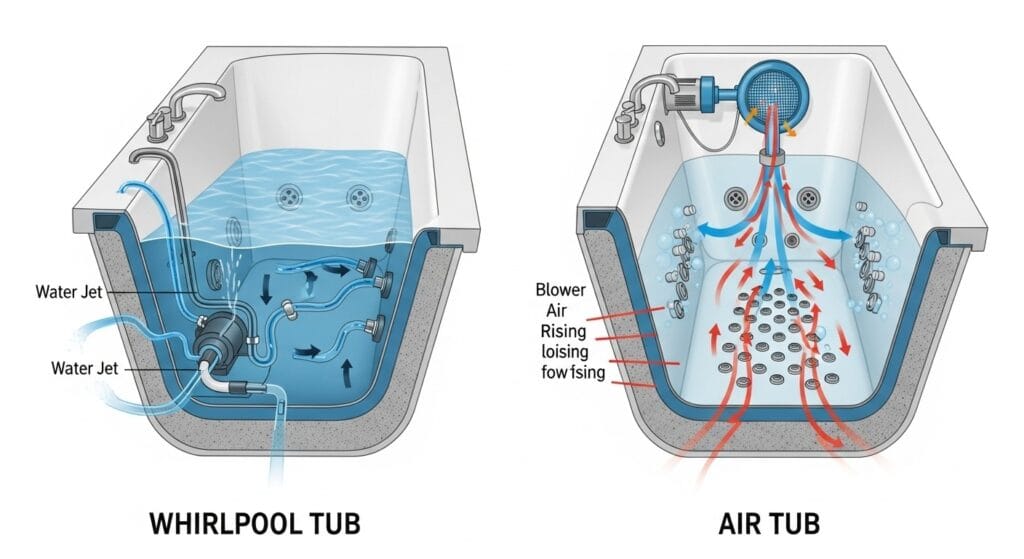
When we talk about jetted tubs, we’re generally talking about two main types: whirlpool tubs and air tubs. Whirlpool tubs are the classic jacuzzi tub experience. They use a pump to draw water from the tub, heat it slightly (on some models), and then push it back out through jets positioned strategically in the tub walls.
These jets create a powerful, therapeutic massage effect, often adjustable in intensity. The downside? The plumbing for whirlpool tubs can sometimes be harder to clean and sanitize because water circulates through internal pipes.
Air tubs, on the other hand, use a blower to push warm air through dozens of small jets located in the bottom of the tub. This creates a gentler, effervescent sensation, almost like champagne bubbles. Air tubs are generally considered more hygienic because there’s no recirculating water in the jets, making them easier to drain completely and clean. Plus, some models have a self-drying cycle for the air lines.
In my experience, air tubs are gaining popularity precisely for their ease of maintenance, though some clients still prefer the deeper massage of a traditional whirlpool.
Sizing, Placement, and Practical Installation Considerations
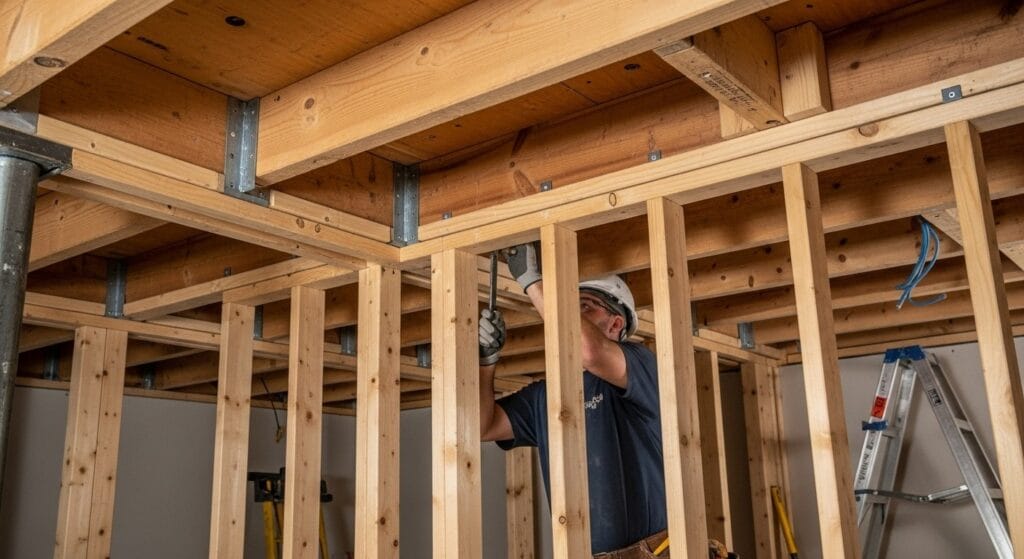
Choosing the right size and style of jetted bathtub is critical. Do you want a standard drop-in tub that replaces your existing one, a corner unit that maximizes space, or a luxurious freestanding model that becomes a focal point? Whatever you choose, you’ve got to make sure your bathroom can accommodate it, not just in terms of footprint but also structural integrity.
A standard 60-inch jetted tub filled with water and a bather can easily weigh 800 to 1,000 pounds. Your floor joists need to be strong enough to support that concentrated weight. We often have to reinforce floors with additional blocking or bracing, especially in older homes, which is an extra cost and complexity.
You’ll also need to consider access. For maintenance and repairs, there must be an access panel to the motor and plumbing. This panel needs to be large enough for a plumber or electrician to work comfortably. Trust me, it’s a nightmare trying to fix something through a tiny, ill-placed opening. I always advise my clients to plan for generous access during the design phase.
Lifespan and Usage: Daily Enjoyment of Your Jetted Tub
Many clients ask, “Can you use a jetted tub every day?” The answer is absolutely, yes, within reason. Modern jetted tubs are built for regular use. The motors are robust, and the components are designed to last. However, daily use does mean more frequent cleaning and maintenance to prevent buildup of soap scum, body oils, and biofilm in the jet lines.
Think of it like a small pool or hot tub; the more it’s used, the more attention it needs to stay clean and hygienic. With proper care, a quality jetted bathtub should provide you with 10 to 15 years of relaxing service. Neglect the maintenance, though, and you’ll find yourself with a tub that’s less than appealing in no time.
Bringing the Spa Indoors: Key Considerations for Indoor Hot Tubs
The idea of having an indoor hot tub can sound incredibly luxurious, like having a private spa right in your home. And it is! But it’s also a big commitment that requires meticulous planning and execution to ensure it enhances your home, rather than creating problems. As a contractor, I’ve learned that cutting corners here can lead to very expensive fixes later.
Structural Integrity and Ventilation Requirements for Indoor Hot Tubs
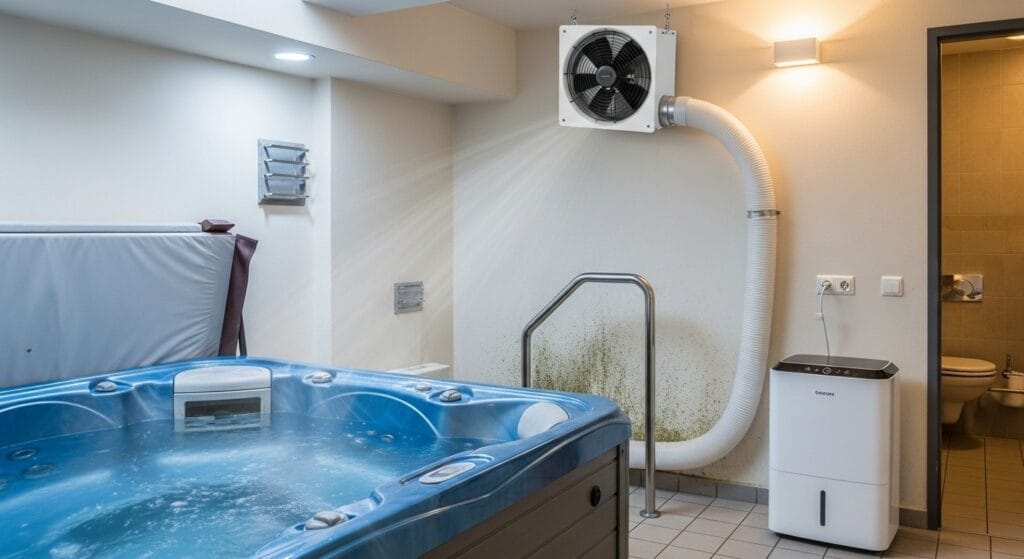
This is where planning is paramount. As I mentioned, hot tubs are incredibly heavy. You simply cannot place a full-sized indoor hot tub on a standard floor without significant structural modifications. We’re often talking about pouring new concrete slabs, reinforcing existing floor joists with steel, or building a dedicated, load-bearing platform. This isn’t a weekend warrior project; it requires an engineer’s assessment and professional installation.
Equally important, and often overlooked, is ventilation. A hot tub constantly off-gasses steam, chemicals, and humidity. Without a robust ventilation system, that moisture will condense on walls, ceilings, and windows, leading to paint peeling, wood rot, and rampant mold growth.
I once worked on a renovation where the original homeowners had installed an indoor hot tub without adequate ventilation. When we opened up the walls, the studs were black with mold, and the drywall was crumbling. It was a complete teardown and rebuild, costing tens of thousands of dollars more than the original hot tub installation.
You’ll need a powerful exhaust fan, often rated for continuous use, and potentially a dedicated commercial-grade dehumidifier to maintain optimal humidity levels, typically between 50-60%.
Electrical and Plumbing Demands: Ensuring Safe Indoor Hot Tub Installation
Indoor hot tubs are power hungry. They typically require a dedicated 240-volt circuit, often 50 or 60 amps. This means a heavy-gauge wire run directly from your main electrical panel, with proper GFCI protection. This is not a job for a DIY enthusiast; it requires a licensed electrician to ensure safety and compliance with local codes. Incorrect wiring can be a serious fire hazard.
Plumbing requirements for an indoor hot tub are slightly different from a jetted tub. While they still need a water supply for filling, the primary concern is drainage. Some indoor hot tubs have a small drain for minor overflows, but for emptying the entire tub for cleaning or maintenance, you’ll need a floor drain or a pump to move the water to a suitable waste line.
Planning for spills and splashes around the tub is also crucial. Waterproofing the surrounding area, similar to a walk-in shower, is a non-negotiable step to protect your home’s structure.
Choosing the Right Indoor Hot Tub for Your Space
When selecting an indoor hot tub, consider the materials. Acrylic shells are common and durable, but also look for a sturdy frame and reliable components. Think about the space it will occupy. Is it in a dedicated room, a converted basement, or an addition? Make sure there’s enough room not just for the tub, but also for people to comfortably get in and out, and for access to the equipment panel for service.
Brands like Jacuzzi’s J-Series or Hot Spring Spas offer models designed with indoor use in mind, featuring advanced filtration and insulation. Also, consider noise levels. A powerful pump and blower can be quite loud, so look for models that emphasize quiet operation, especially if it’s near living spaces.
Jetted Bathroom Tubs: Essential Information Before You Buy
Choosing from the variety of jetted bathroom tubs can be overwhelming, but understanding the practicalities will make your decision a lot easier. This isn’t just about aesthetics; it’s about integrating a functional, long-lasting fixture into your home’s busiest room. As someone who has installed dozens of these, I can tell you there are key details that separate a dream renovation from a headache.
Integrating Design and Functionality in Your Jetted Bathroom Tub
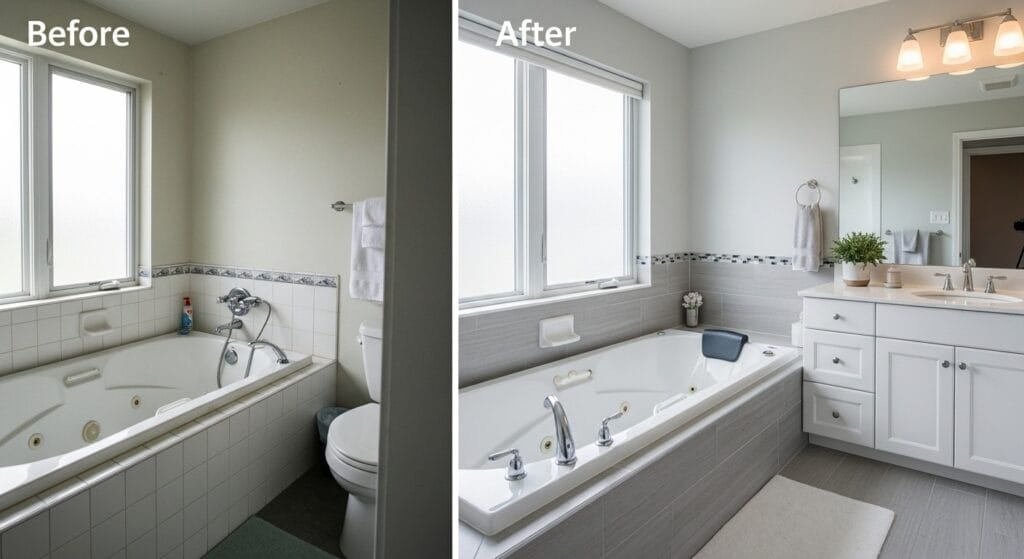
When selecting a jetted tub for your bathroom, you want it to look good, obviously, but it also needs to fit the practical flow of the space. Consider the overall design aesthetic of your bathroom. Are you going for a modern, minimalist look, or something more traditional? Jetted tubs come in various finishes and skirt styles, from crisp white acrylic to those designed to be clad with custom tile.
You also need to think about the faucet. Will it be deck-mounted, wall-mounted, or a freestanding tub filler? My advice is to pick a reputable brand like Delta or Moen for your fixtures; cheap faucets might save you a hundred bucks now, but they’ll cause headaches down the road.
Accessibility is another huge factor. How easy will it be to get in and out of the tub, especially as you age? Some jetted bathroom tubs are deeper than standard models, which might require a wider rim or even steps. If you have mobility concerns, look for tubs with lower thresholds or grab bars. I’ve seen beautiful tubs that ended up rarely being used because they were simply too difficult to access safely.
Maintenance, Cleaning, and Longevity of Your Jetted Tub
Regular maintenance is the cornerstone of keeping your jetted bathtub hygienic and functioning beautifully. “How do you clean a jetted bathtub?” is one of the most common questions I get. Here’s my simple routine for maintaining your jacuzzi tub:
1. After each use: Wipe down the tub surface with a mild, non-abrasive cleaner. 2. Monthly deep clean: Fill the tub with hot water, adding about 2 cups of white vinegar or a specialized jetted tub cleaner (like Affresh or Oh Yuk Jetted Tub Cleaner). Run the jets for 15-20 minutes. Drain, then refill with cold water and run the jets again for 10 minutes to rinse. This flushes out soap scum, oils, and any buildup in the lines. 3. Inspect jets: Periodically check the jets for any blockages and remove them.
Neglecting this can lead to what we call “black flakes” – biofilm that builds up in the pipes and gets pushed out with the water. Not exactly a relaxing sight! With consistent cleaning, your jetted tub can remain a pristine sanctuary for years. Most quality tubs have motors designed to last, but like any appliance, parts can wear out. Having that easily accessible panel for service is invaluable when a motor or jet needs replacing.
Overlooked Installation Hurdles and Hidden Costs
Beyond the unit price and basic installation, there are often unforeseen hurdles. For instance, permits. Many home renovations, especially those involving electrical or plumbing changes, require permits from your local building department. Ignoring this can lead to fines, stop-work orders, or issues when you sell your home. Permit costs usually range from a few hundred dollars.
Another common oversight is the size of the tub when bringing it into your home. A large, one-piece jacuzzi tub might not fit through standard doorways or down narrow hallways. We’ve had to remove door frames, windows, and even hoist tubs over balconies to get them into place. Always measure your access points meticulously before ordering. Also, factor in the cost of tile, grout, and any custom millwork for the tub surround. These finish materials can add a significant chunk to your budget, easily an extra $500 to $2,000+ depending on your selections. It’s these small, cumulative costs that can push a renovation over budget if you haven’t planned for them.
Contractor’s Final Advice: Investing in Your Jacuzzi Tub Dream
Adding a jacuzzi tub or an indoor hot tub to your home can truly elevate your living experience. There’s nothing quite like stepping into warm, jetted water after a long day. But as I’ve laid out, this isn’t a project to undertake lightly. It requires careful planning, a realistic budget that accounts for both the unit and the installation, and an understanding of the long-term maintenance involved.
My best advice? Do your homework, ask tough questions, and hire experienced professionals. Get multiple quotes, and make sure those quotes are detailed, breaking down every aspect of the job from demolition to the final tile work. The cheapest bid isn’t always the best value, especially when it comes to complex installations like these. Invest wisely, plan meticulously, and you’ll be enjoying your personal spa retreat for years to come.
Ready to explore options for your home? Don’t hesitate to consult with a local, reputable contractor who specializes in bathroom renovations and jetted tub installations to get a personalized assessment and accurate quote.