






Why Choose American Standard Bathtubs?
Alright, someone asked me to write all this down. So here it is. Look, picking a bathtub isn’t like picking out a paint color. It’s not just about what looks nice in the picture. I’ve been doing this since ’98, and trust me, I’ve seen it all. The fancy tub that cracks in a year, the cheap one that flexes so much the caulk line splits every winter. You want something that looks good, sure, but it also has to last.
- Why Choose American Standard Bathtubs?
- Freestanding Tubs: A Modern Centerpiece
- Alcove Bathtubs: The Practical Workhorse
- Drop-In Tubs for Custom Designs
- Deep Soaking Tubs for Ultimate Relaxation
- Whirlpool Tubs for a Home Spa Experience
- Bathtub Size and Installation Essentials
- Making Your Final Bathtub Choice
And it has to be something we can actually get into the bathroom.
So yeah, American Standard. I end up talking about them a lot. People know the name. They have a tub for pretty much everyone, and they generally make a decent product that doesn’t cause me headaches. Most of the time.
But their catalog is… a lot. You can get lost in there. So I’m just gonna give you the real story. The stuff you actually need to know before you hand over your credit card. Not the sales pitch.
We’ll go through the types, what they’re made of, all that stuff. Hopefully you’ll end up with something you don’t hate in five years.
Freestanding Tubs: A Modern Centerpiece
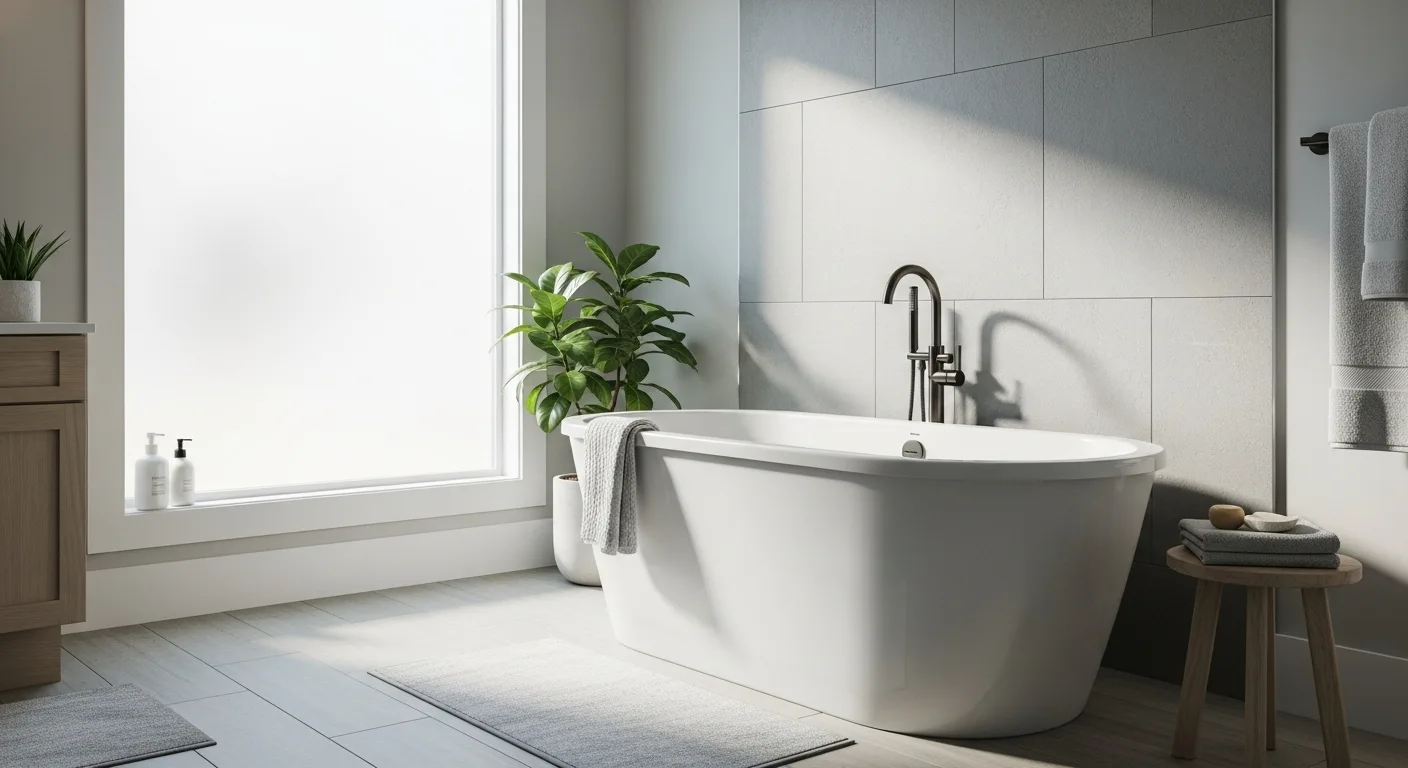
Ah, the freestanding tub. Everyone wants one of these now. They see ’em on TV and suddenly they have to have one. It’s the big wow thing for a bathroom remodel. And yeah, American Standard makes some nice ones, I’ll give them that.
But the first thing I always say is, stop looking at the catalog picture. That bathroom is the size of a garage. You need space. A lot of space. All the way around. Not just so it looks good, but so you can actually get a mop back there. If you don’t, you’ll have a permanent collection of dust bunnies and who-knows-what. It gets gross.
Materials for Freestanding Tubs
You’re basically looking at two things: acrylic and cast iron. Most of the new, sleek-looking ones, the Townsend or whatever they call it, that’s all acrylic. And the main reason is weight. Simple as that.
To make this a bit clearer, here’s how I break it down for my clients:
| The Material | The Good Stuff | The Headaches |
|---|---|---|
| Acrylic | Lightweight, easy to get upstairs. | Can scratch easier than iron. |
| Feels warm to the touch. | Doesn’t feel as substantial. | |
| Scratches can often be buffed out. | ||
| Cast Iron | It’s a tank. Lasts forever. | Extremely heavy. Needs floor support. |
| Holds heat incredibly well once warm. | A nightmare to move and install. | |
| That classic, high-end look and feel. | Sucks heat from water at first. |
My Take: For a second-floor bathroom, just go with acrylic. Seriously. Your joists will thank you. If you’re on a concrete slab and want that forever-tub, then cast iron is a beast.
Getting an acrylic tub up to a second-floor master bath is a job for two guys. Getting a cast iron one up there is a job for two guys, a winch, and a prayer. And probably an engineer. Plus, acrylic feels warm, it doesn’t suck the heat out of the water instantly. If you drop something and scratch it, it’s usually fixable.
But… cast iron. There’s nothing like it for that old-school farmhouse look. It’s a tank. It’ll last forever. And it holds heat like you wouldn’t believe. Once it’s warm, it stays warm.
The problem is the weight. Man, the weight. I had this job over on Elm Street a few years back. The homeowners went and bought this gorgeous, huge cast iron tub before they even called me. We got it to the front door and I just stopped. I told them, No way. We had to get an engineer in to sister up the joists under the bathroom floor. Added like two grand and a week to the job. So just… think about that before you buy one. Please.
Alcove Bathtubs: The Practical Workhorse
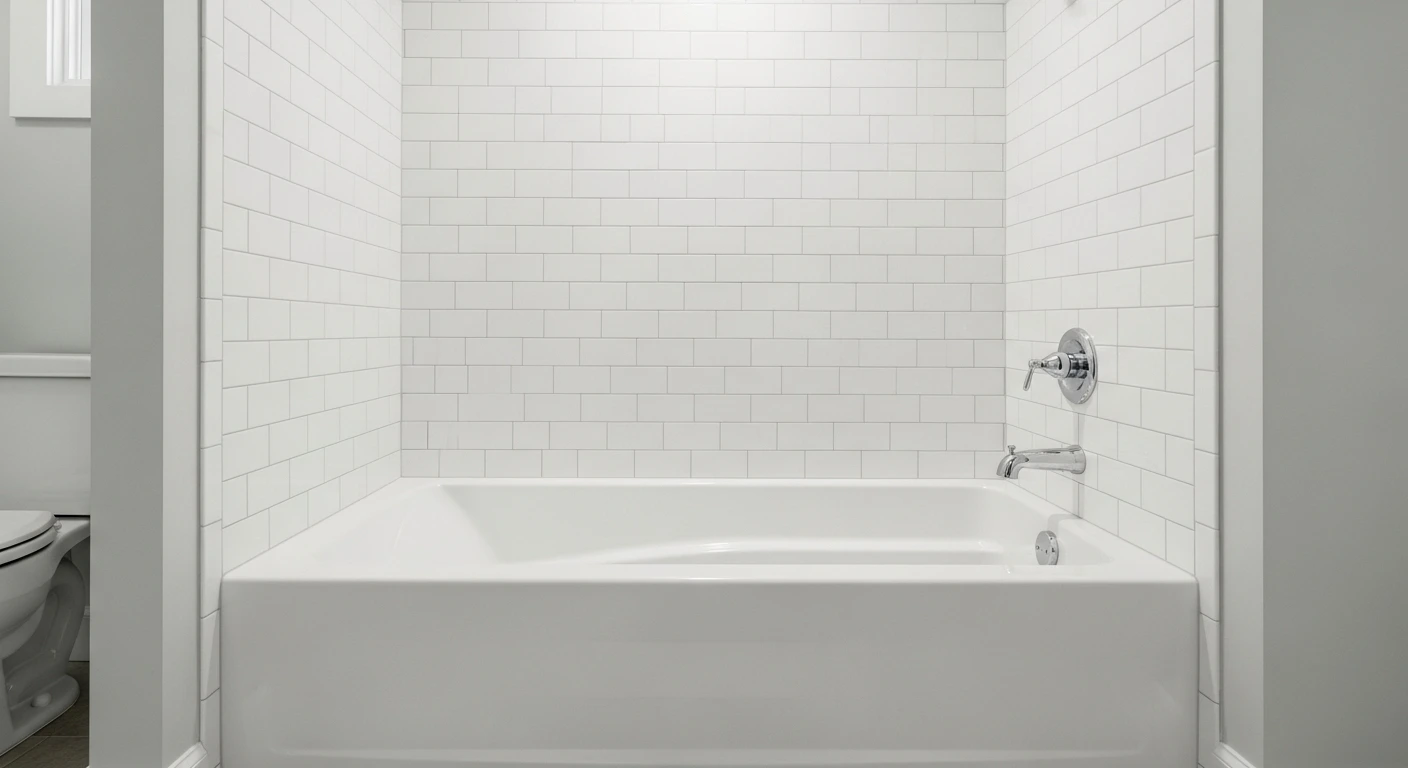
Okay, back to reality for most people. The alcove tub. This is what you probably have right now. Boxed in by three walls, shower head at one end. It’s the standard for a reason. And yeah, that American Standard Cambridge model? I bet I’ve installed a hundred of ’em. Easy.
That Cambridge is usually made of their Americast stuff. People always ask me about that. What the hell is Americast? It’s basically their fancy sandwich. You got a nice porcelain finish on top that you see and touch. Under that is a layer of steel. And then under that is a thick composite material. Three layers.
And honestly, it’s pretty good stuff. It gives you that hard, glossy finish like old cast iron, but it’s half the weight. So much easier to install. It doesn’t have that cheap, plasticky flex you get with a basic fiberglass tub. You know, the kind that creaks when you step into it? Americast feels solid. Substantial.
The the main thing with these alcove tubs is the flange. That little lip that sticks up around the edges. Your wall board comes down over that, and then the tile. That flange is what keeps water from getting behind the wall. You screw that up, and you’re calling me in five years to fix a rotten wall. It’s not optional.
Drop-In Tubs for Custom Designs
Then you have your drop-in tubs. These are just the tub shell. No finished sides. The idea is you build a whole deck or platform for it, usually out of wood framing and then covered in tile.
It lets you get a real custom look. You can run the same tile from the floor right up the side of the tub deck. Looks sharp. American Standard has them in both materials, the Americas and the regular acrylic. So you have options.
Just know that building that deck is a whole separate job. It’s a carpentry job, then a tile job, on top of the plumbing job. It adds up. Fast.
Deep Soaking Tubs for Ultimate Relaxation
Everyone’s talking about soaking tubs now. It’s just a marketing term, really. All it means is it’s deeper. A standard tub holds maybe 12 inches of water before it hits the overflow drain. A soaker might hold 16, 18, even more.
They’ve definitely jumped on that bandwagon. A lot of their newer tubs are deeper. You can actually get your shoulders underwater without having to do some kind of weird yoga move. People who like baths seem to really care about that.
Here’s the catch, though. Your water heater. Had a woman, Jenny, in that new development off the interstate. Put in this massive soaker tub. Gorgeous. First time she tried to fill it, she ran out of hot water halfway. Her little 40-gallon heater couldn’t handle it. She was… not happy. You want a big tub, you might need a bigger water heater. Or one of those tankless ones. Don’t forget that part of the budget.
They’ve got these Japanese-style tubs, too. They look kinda weird, almost like a square. Shorter, but way deeper. You sit up in them, instead of lying down. Can be a smart idea for a small bathroom where you can’t fit a normal 60-inch tub but still want to soak.
The plumbing’s different for those, though. The drain and faucet can be in odd places. Make sure your plumber, Bob or whoever, gets the spec sheet from the box before he starts cutting holes in your floor.
Whirlpool Tubs for a Home Spa Experience
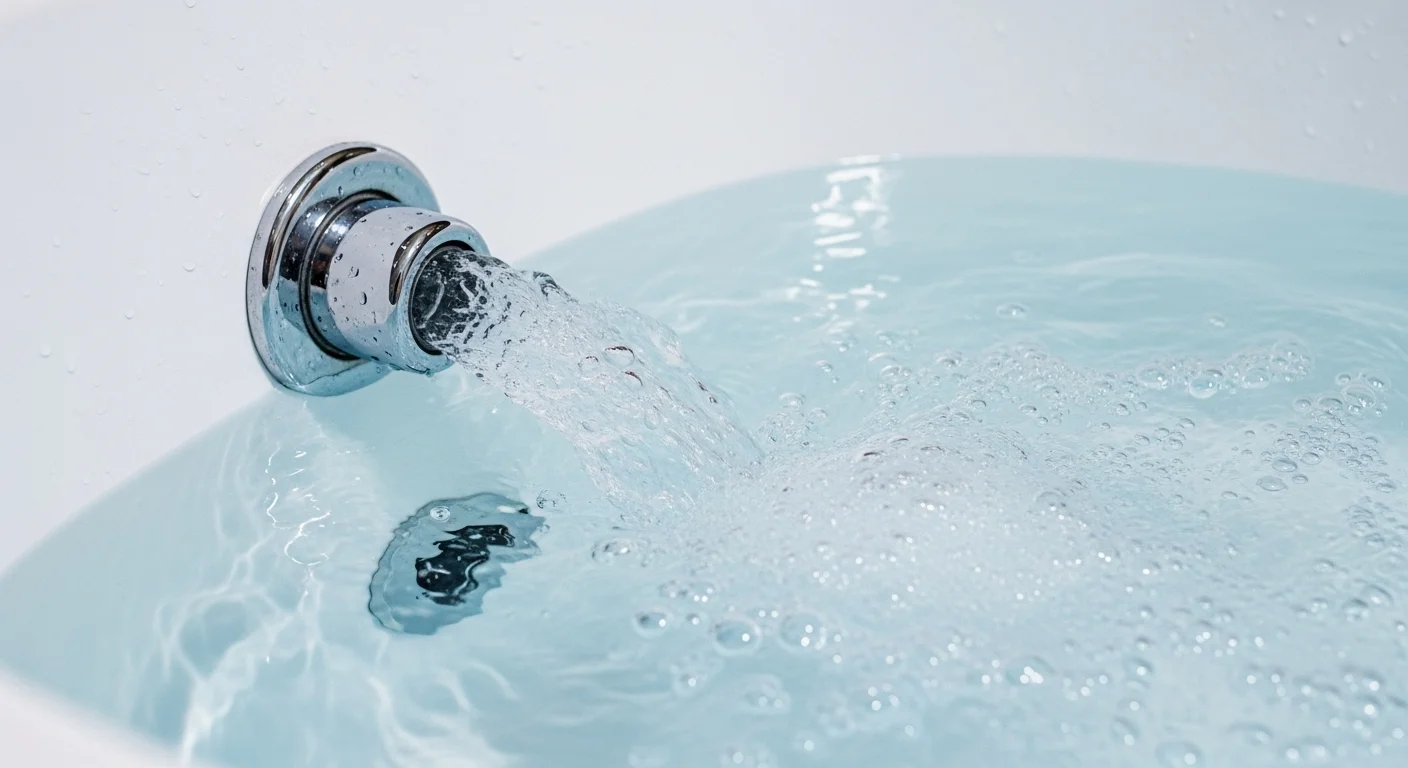
Right, the spa tubs. With all the jets. If you want that, American Standard has a bunch. You gotta know what you’re asking for, though. A Whirlpool is the one you’re probably thinking of. It’s got a pump, it shoots hard streams of water. Feels like a massage, kinda.
Then there’s the Air Bath. That’s different. It shoots a thousand little bubbles of warm air up from the bottom. It’s more of a champagne fizz, less of a fire hose. Gentler. Some of the crazy expensive ones do both.
Look, the sales guy might throw these terms around. Let’s put them side-by-side so you know what you’re actually getting.
| Type of Jet | How it Feels | What to Know |
|---|---|---|
| Whirlpool | Strong, targeted water jets. | More like a deep tissue massage. |
| More powerful pump and motor. | Needs regular cleaning cycles. | |
| Air Bath | Thousands of tiny air bubbles. | A gentle, all-over fizzing sensation. |
| Quieter motor, generally. | Less chance of gunk in the pipes. |
“Pro-Tip: If you want a real deep-tissue massage feel, go with the whirlpool. If you just want relaxing bubbles and an easier-to-clean system, the air bath is your ticket.”
Listen to me on this. This is the most important part. You need an access panel. The pump, the motor… that stuff breaks. It’s not a matter of if, it’s when. And if you tile it all in with no way to get to it, you’re in for a world of hurt. You have to have a way to get to the guts of the thing.
I always frame out a 16-by-16 inch panel on the front skirt of the tub. Where the motor is. Some people want to hide it in the closet on the other side of the wall. You can do that, but it makes the plumber’s job miserable when he has to squeeze in there to fix it. Just put it on the front. You can get paintable ones that blend in okay.
They have this EverClean thing they talk about. It’s some kind of anti-gunk stuff mixed into the plastic of the pipes. Supposed to keep mold and mildew from growing in there. And it helps, I guess. But you still gotta clean the system. You can’t just ignore it. You have to run a cleaning solution through the pipes every so often or you’ll get black flakes shooting out of the jets one day. And nobody wants that.
Bathtub Size and Installation Essentials
Okay, the basics. Nuts and bolts. Most tubs you see are 60 inches long. Five feet. And either 30 or 32 inches wide. Before you even think about buying one, measure. Measure the actual tub you’re ripping out, not just the space between the drywall. They’re not the same thing. People mess this up all the time.
And the drain. Oh my god, the drain. Check the drain. Is it on the left or the right? When you’re standing in the bathroom LOOKING at the tub, where is the drain? Left or right? It’s that simple. Ordering the wrong one is a disaster. It means sending it back, waiting for a new one, and my schedule is completely shot. It’s a huge, expensive, stupid mistake.
The installation is where the real work is. Here’s a quick rundown of what’s involved for each type.
| Tub Type | How it Sits | The Big Challenge |
|---|---|---|
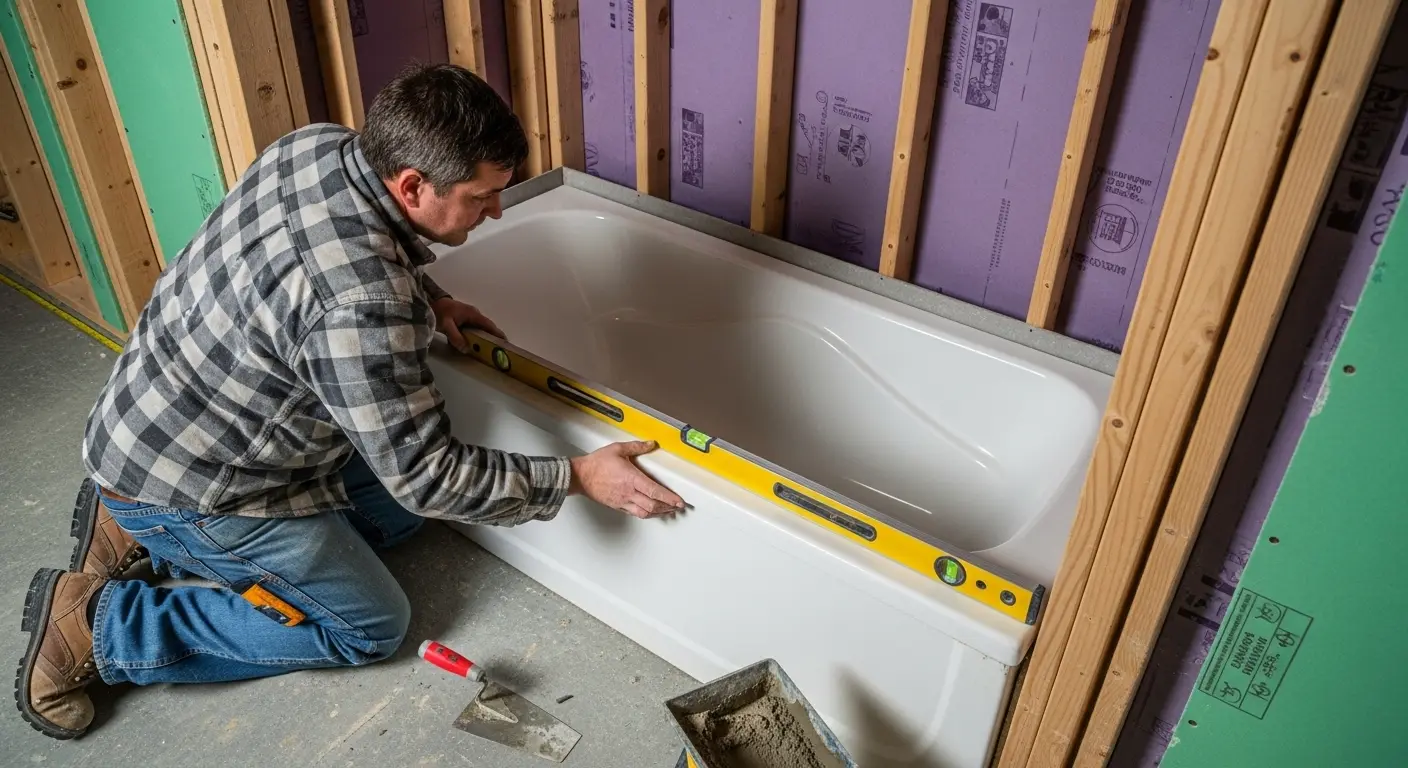
| Alcove | Set against three walls. | Must be perfectly level in a bed of mortar. |
| Drop-In | Sits inside a custom-built deck. | Building the deck is a separate carpentry job. |
| Freestanding | Sits on top of the finished floor. | Plumbing must come up in the exact right spot. |
“My Take: As you can see, the ‘simple’ freestanding tub is actually the most complicated to prep for. The sticker price on the tub is just the beginning. Don’t forget to budget for the plumbing and floor work.”
How they go in is totally different, too. An alcove tub has to be perfectly level—and I mean perfectly—before anything else happens. We set it in a bed of mortar so it doesn’t move. Ever. A drop-in needs that whole deck built for it first. That’s a whole separate project before you even touch the tub.
The freestanding ones are the biggest pain. The floor has to be totally done. Finished. Because the tub just sits on top of it. All your plumbing—the drain, the hot and cold water lines—has to come right up out of the floor in exactly the right spot. Exactly. And the faucets for those things cost a fortune. It all adds up. Don’t let the sticker price on the tub fool you.
Making Your Final Bathtub Choice
So. Choosing one of these things. It’s not magic. Just look at your room, look at your wallet, and be honest about what you’ll actually use. Don’t just pick the one that looks coolest in the shiny brochure. That’s how you make mistakes.
Think about the actual thing. Is it heavy? Is it going to be a nightmare to install? Am I going to have to clean the jets every month? A plain old Americast tub might be boring, but it’s dead simple and it works. That fancy freestanding tub looks great, but are you ready for the plumbing bill? Just think it through.
And for the love of god, have a pro look at it before you buy. A real one. Make sure it’ll fit, make sure your floor can hold it, make sure you’ve got the right drain. It’ll save you a world of headaches.