





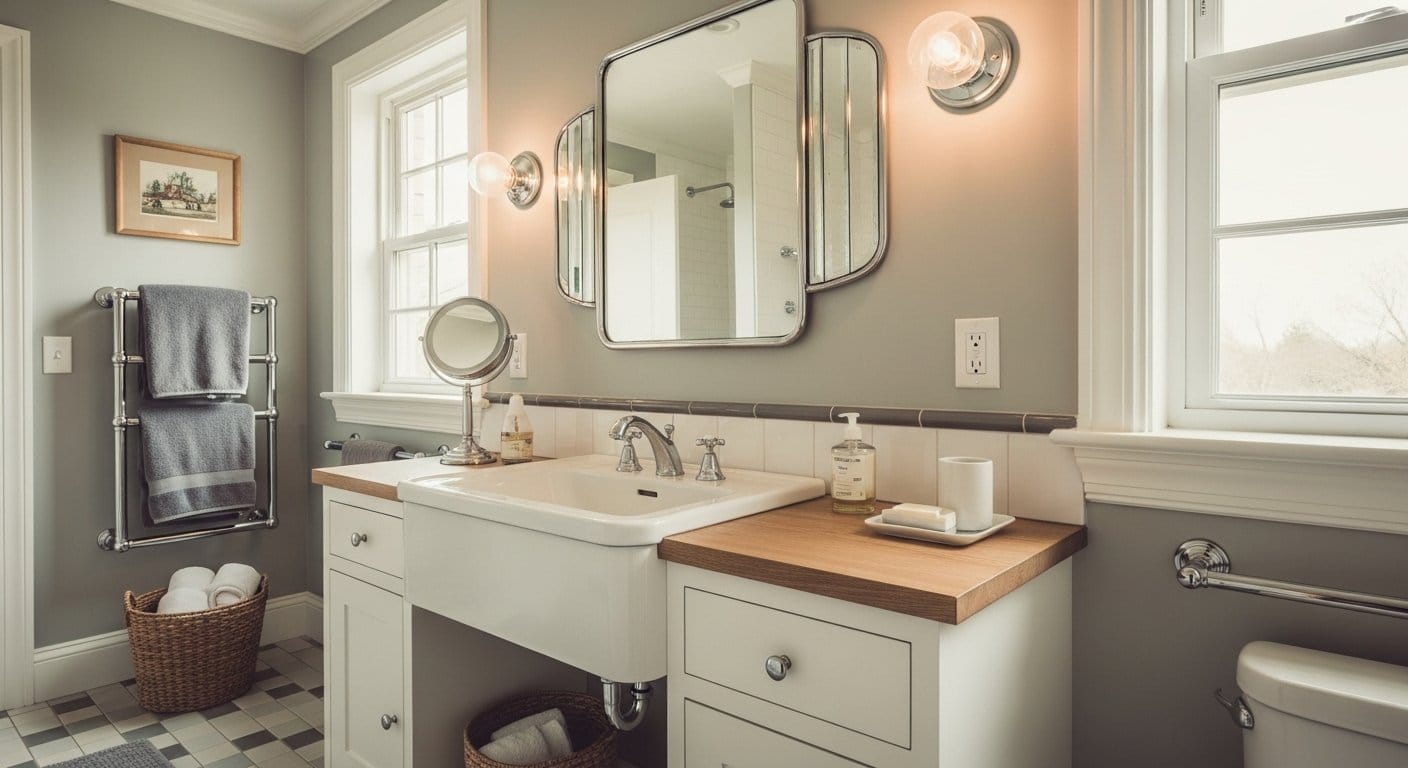

As a contractor with decades on the job, I’ve seen countless design trends come and go. But one style that consistently captures homeowners’ hearts and adds genuine character to a space is the retro vanity bathroom. It’s more than just picking an old-looking cabinet; it’s about understanding the charm, the history, and the practicalities of bringing a vintage feel into a modern home. For me, it’s about creating a space that feels lived-in, thoughtfully curated, and truly unique. I’ll share what I’ve learned, from finding the right piece to ensuring it lasts.
- What Defines a Retro Bathroom Vanity?
- Why Choose a Retro Vanity for Your Bathroom?
- Exploring Iconic Retro Vanity Styles
- Key Considerations for Choosing Your Retro Vanity
- Finding Your Perfect Retro Bathroom Vanity
- Designing Your Retro Bathroom: Beyond the Vanity
- Retro Bathroom Vanities for Small Spaces
- DIY & Custom Retro Vanity Projects
- Complementary Elements: Faucets, Mirrors & Lighting
- Budgeting for Your Retro Bathroom Vanity Project
- Maintaining Your Retro Bathroom Vanity
- Bringing Your Retro Vanity Bathroom Vision to Life
What Defines a Retro Bathroom Vanity?
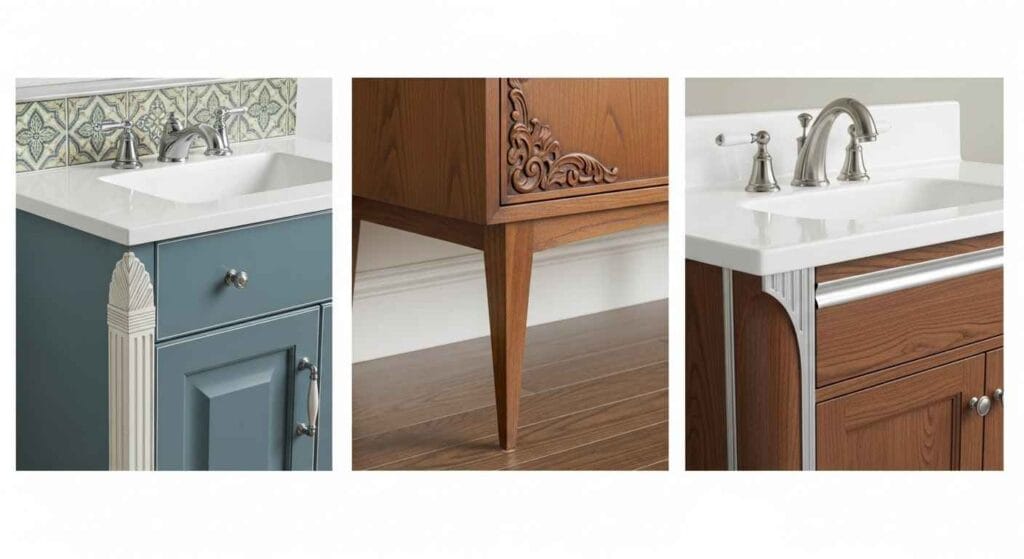
When we talk about a retro vanity, we’re looking at pieces inspired by designs from the early 20th century through the 1970s. This isn’t generic antique; it’s about specific eras and their distinct characteristics.
Think Art Deco’s sleek lines and geometric patterns, or the clean, functional forms of Mid-Century Modern. Even the ornate dark woods of a Victorian revival fit within the broader vintage category. The key is a distinct design language: unique hardware, signature leg styles, or material combinations like chrome and laminate, rarely seen in contemporary designs. This unique aesthetic is what makes a retro bathroom vanity stand out.
Why Choose a Retro Vanity for Your Bathroom?
Homeowners often choose a retro vanity for its unparalleled individuality. In a market saturated with identical options, a retro piece truly stands out, injecting personality and a story into your bathroom. I’ve seen clients fall in love with pieces that evoke nostalgia or radiate a charm they simply can’t find elsewhere.
There’s also a significant environmental benefit. Giving a vintage piece new life means choosing sustainability and reducing waste. It’s a smart decision for both aesthetics and the planet, making a retro vanity bathroom a truly conscientious choice.
Exploring Iconic Retro Vanity Styles
The retro vanity category is incredibly diverse, offering something for every taste and period preference.
Art Deco Vanities: Glamour and Geometry
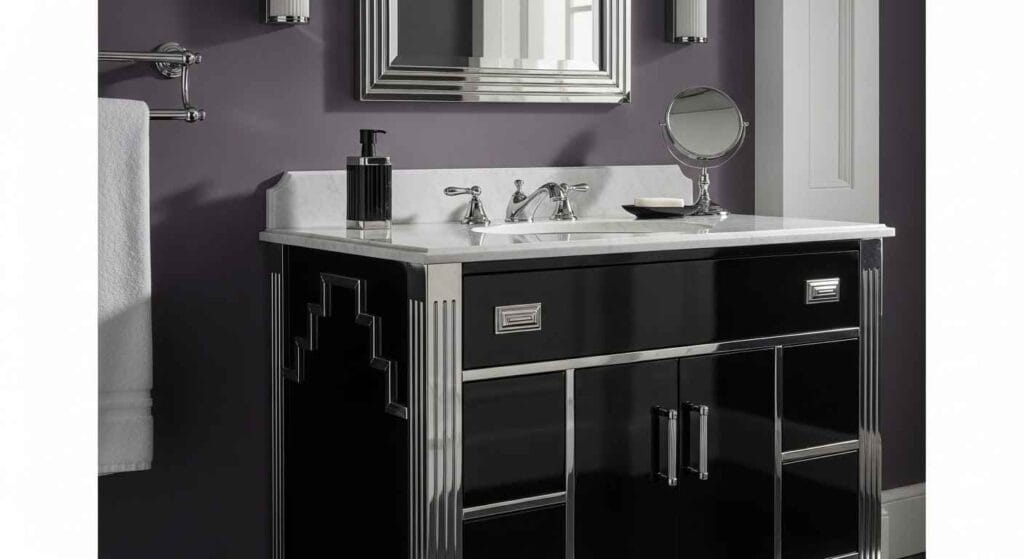
You might be drawn to Art Deco for its sharp angles, reflective surfaces, and chrome trim. Picture a black lacquer finish combined with polished nickel hardware – very glamorous and sophisticated. These vanities often feature stepped designs and luxurious materials.
Mid-Century Modern Vanities: Clean Lines and Function
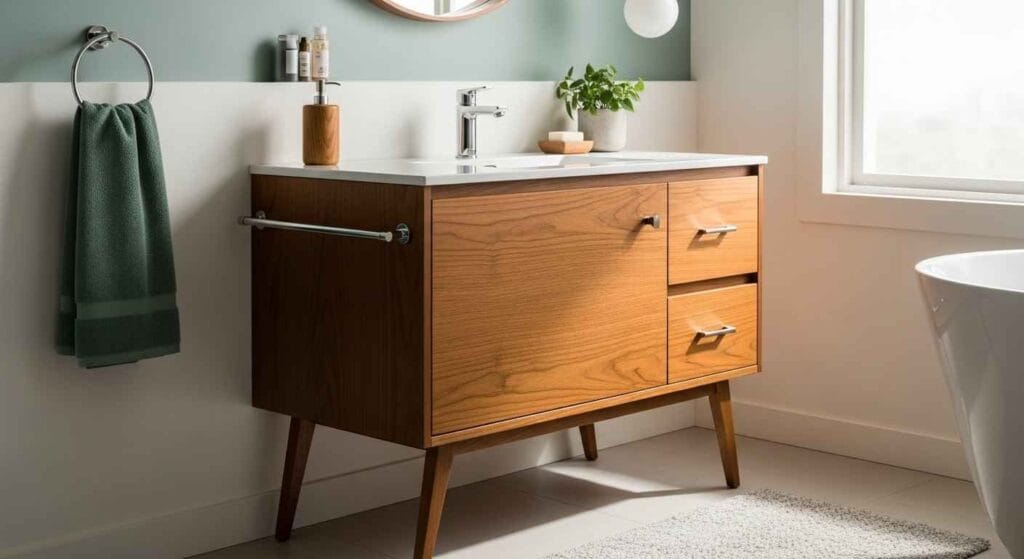
Then there’s Mid-Century Modern, a personal favorite for its minimalist lines, tapered legs, and often teak or walnut construction. This style emphasizes functionality and clean aesthetics, making it a timeless choice for a vintage bathroom vanity.
Victorian-Inspired Vanities: Ornate Elegance
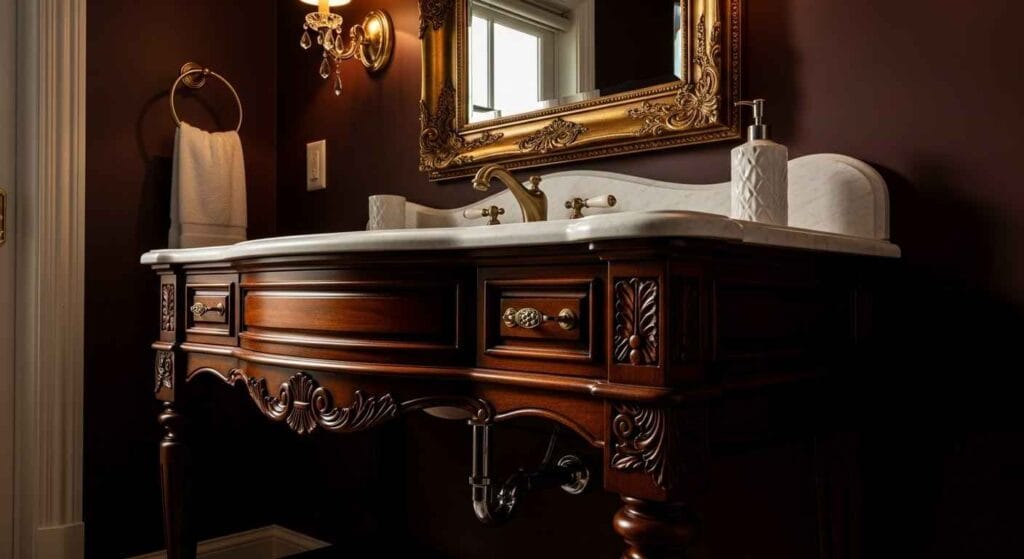
For classic elegance, Victorian-inspired vanities often boast intricate carvings, dark wood finishes, and luxurious marble tops. They bring a sense of historical grandeur and opulence to any space.
Farmhouse Washstands: Humble and Handcrafted
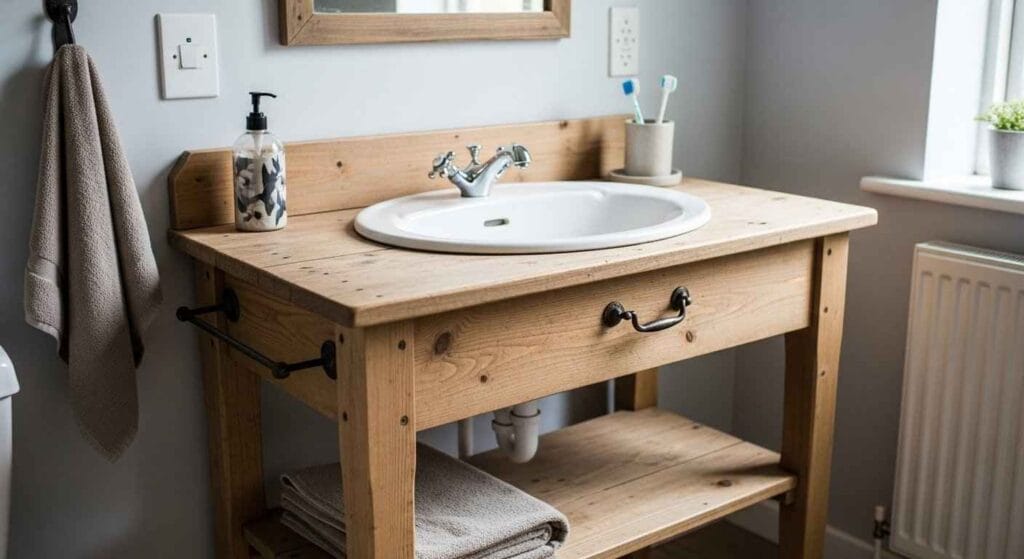
Even a repurposed farmhouse washstand can be considered retro, bringing a humble, handcrafted look with an emphasis on natural wood and simplicity. Each of these distinct styles tells a different story for your retro vanity bathroom.
Key Considerations for Choosing Your Retro Vanity
Picking the right retro vanity involves more than just liking the look. You’ve got to think about the practicalities of a working bathroom and ensure its long-term suitability.
Size and Scale: Getting the Fit Just Right
This is non-negotiable for any bathroom renovation. Measure your space meticulously: width, depth, height, door swings, shower clearance, and toilet access. A vintage dresser might look perfect, but if it’s too deep, it can make the bathroom feel cramped and impede movement. Always leave ample room for comfortable movement; a bathroom must be functional first. I’ve seen beautiful pieces block crucial pathways, diminishing the overall usability of the retro vanity bathroom.
Materials and Durability: Built to Last (Again)
Many older pieces are crafted from solid wood, but they weren’t originally designed for high-moisture environments. Inspect the wood for any signs of water damage, rot, or warping, especially at the base and bottom edges. Original hardware adds undeniable character, but ensure it’s sturdy and fully functional.
For new reproductions, always ask about the core materials: is it solid wood, MDF, or plywood? A quality, moisture-resistant finish is paramount for the longevity of any vanity in a bathroom setting, especially for a vintage bathroom vanity conversion.
Plumbing Integration: The Hidden Challenges
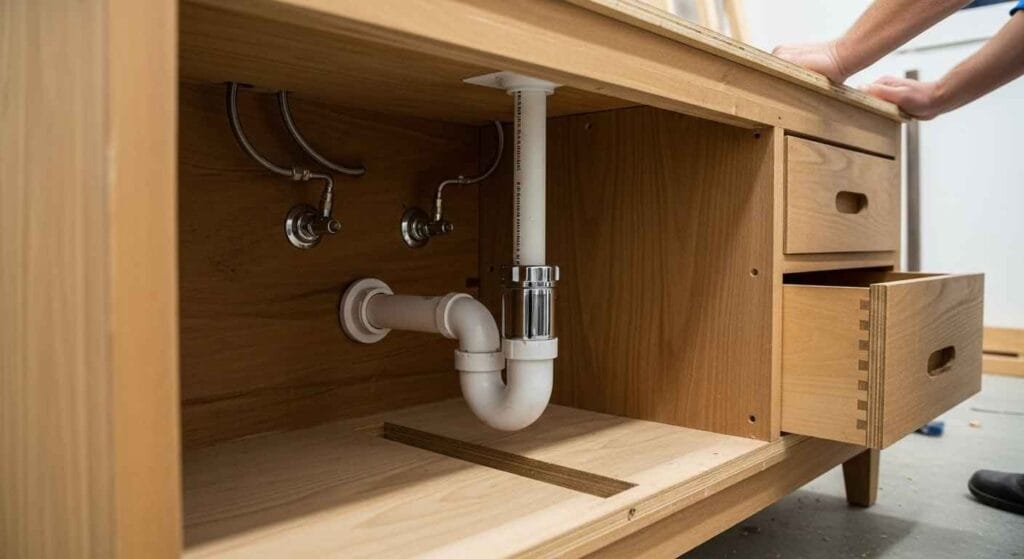
Adapting an antique dresser or sideboard for modern plumbing is often the trickiest part of a retro vanity bathroom project. You’ll need to account for drain and water supply lines, which typically require cuts into the back panel and modifications to existing drawers.
A skilled professional can route plumbing discreetly, often sacrificing a top drawer to accommodate the sink basin and P-trap. Ensure there’s adequate clearance. Original structures might also need reinforcement to support the weight of a new sink and countertop. It’s a common, yet solvable, challenge with proper planning and professional expertise.
Finding Your Perfect Retro Bathroom Vanity
Finding that perfect retro piece is an adventure, blending patience with keen observation. I often direct clients to local antique shops, architectural salvage yards, and flea markets – these are true goldmines for unique finds, though they require a bit of patience and an eye for potential.
Online marketplaces like Etsy or Facebook Marketplace also yield gems, but always scrutinize photos and descriptions carefully. For the retro aesthetic without the restoration headaches, specialized reproduction manufacturers offer new vanities in vintage styles. These pieces blend classic looks with modern plumbing compatibility, offering a practical solution for a retro vanity bathroom. It’s all about balancing authenticity with practicality.
Designing Your Retro Bathroom: Beyond the Vanity
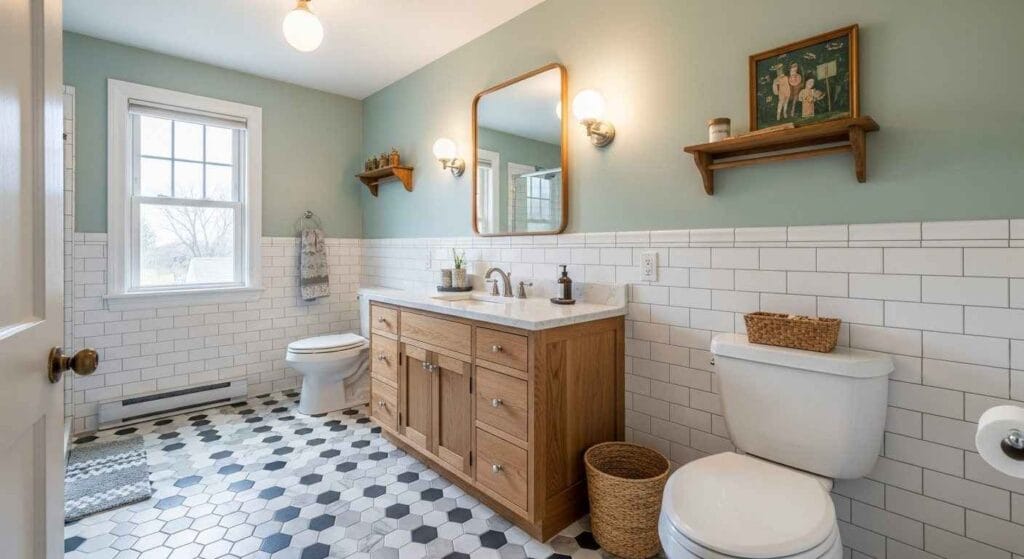
The vanity is undoubtedly the centerpiece, but surrounding elements are crucial for tying the entire retro look together. Think about flooring: hexagon tiles or a classic black-and-white checkerboard instantly evoke vintage charm.
Subway tile for shower surrounds or wainscoting is another timeless choice that complements many retro styles. Don’t overlook paint colors; muted pastels, classic whites, or a bold jewel tone can expertly set the mood. On a recent project, a soft sage green with an Art Deco vanity felt incredibly cohesive and authentic. It’s all about creating harmony and a unified aesthetic for your vintage bathroom vanity setup.
Retro Bathroom Vanities for Small Spaces
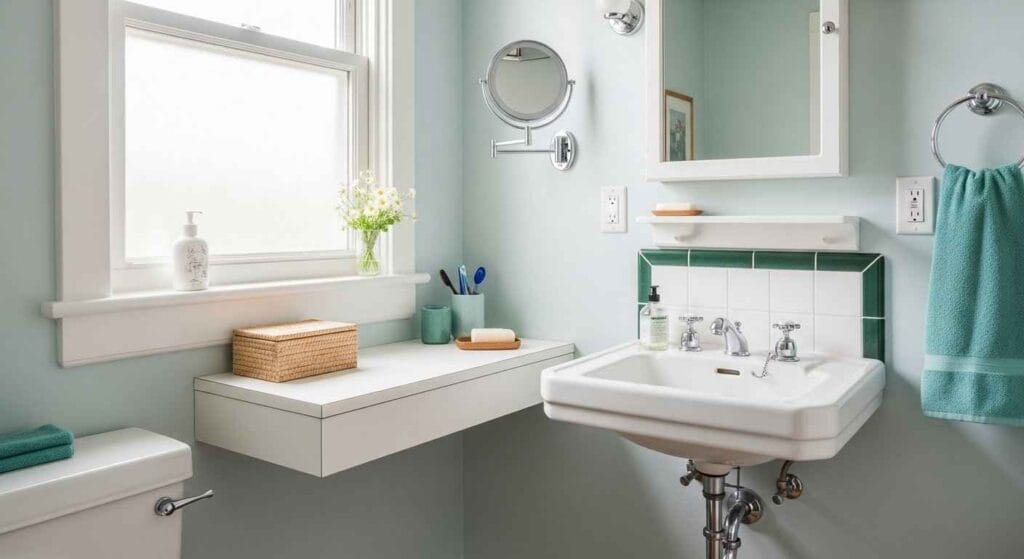
Even in a compact bathroom, you can achieve a stunning retro look with smart space utilization. Instead of a bulky cabinet, consider a wall-mounted vanity with a shallow depth to free up valuable floor space.
Pedestal sinks, common in older bathrooms, offer a genuinely retro, minimalist option that maximizes openness. Look for narrow console-style vanities, perhaps with open shelving for a lighter feel. A smaller, well-chosen retro piece can make a dramatic impact in a tight space. Don’t compromise on style due to square footage when planning your retro vanity bathroom.
DIY & Custom Retro Vanity Projects
Repurposing an old dresser or sideboard into a vanity is a popular choice for achieving a truly custom look. From my experience, the biggest hurdles are ensuring structural integrity and proper waterproofing.
Reinforce the top to support the weight of a heavy sink and countertop, and ensure plumbing cuts don’t compromise the piece’s stability. Sealing with a marine-grade varnish or polyurethane is crucial for moisture protection, preventing rot and mold in a wet environment. Make sure your chosen piece is solid wood for the best results. It’s a rewarding project, but it demands careful planning and execution to create a lasting antique vanity conversion.
Complementary Elements: Faucets, Mirrors & Lighting
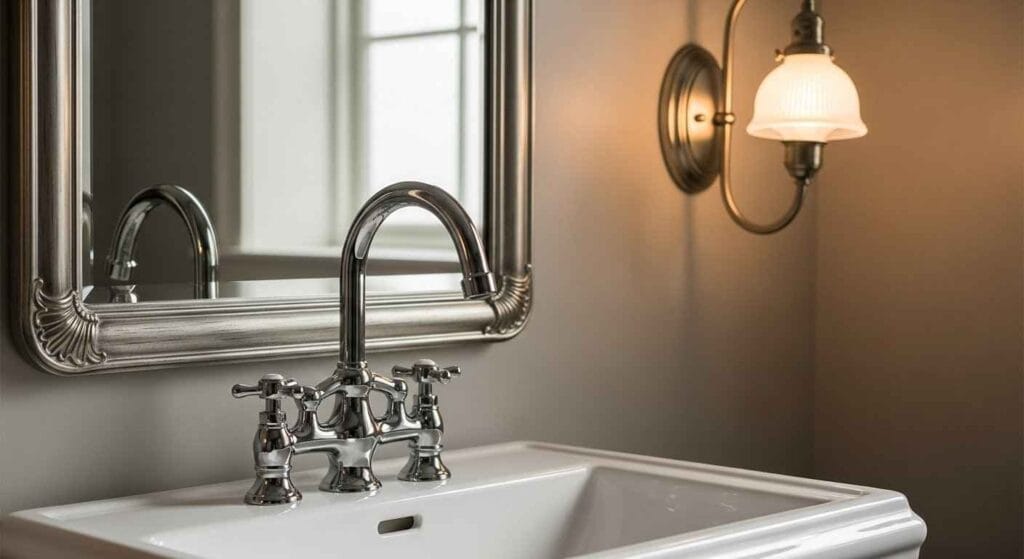
These crucial details are vital for completing the authentic retro aesthetic in your bathroom. For faucets, look for classic bridge styles, elegant gooseneck spouts, or widespread chrome fixtures. Many reputable brands offer suitable reproduction lines that blend modern functionality with vintage appeal.
Mirrors should always complement the vanity’s style—think ornate gilded frames for Victorian, or simple oval or rectangular shapes for Mid-Century Modern. Lighting is equally important; caged industrial sconces, beautiful milk glass shades, or exposed filament bulbs cast the perfect vintage glow. Avoid modern recessed lighting as a primary source; it can detract significantly from the overall period atmosphere of your retro vanity bathroom.
Budgeting for Your Retro Bathroom Vanity Project
A retro vanity bathroom project varies widely in cost, depending on your choices and the extent of customization. An authentic antique needing restoration will involve professional carpentry and refinishing, adding significant expense. Reproductions can be more predictable in terms of cost.
Don’t forget plumbing modifications; adapting older pieces to modern fixtures is an additional labor cost. Factor in new countertops, sinks, faucets, and any tiling or flooring work. My advice: get detailed quotes for all custom work and allocate an extra 10-15% for unexpected issues that often arise in renovations. Be prepared for the realities of bringing your vintage bathroom vanity vision to life.
Maintaining Your Retro Bathroom Vanity
Once installed, proper maintenance is key to the longevity and beauty of your new feature. For wooden vanities, avoid harsh chemical cleaners; a damp cloth with mild soap usually suffices. Wipe up water spills immediately to prevent warping or finish damage.
For delicate finishes, consider furniture wax periodically for added moisture protection. For laminate surfaces, always follow the manufacturer’s recommendations. Regular inspections for loose hardware or early signs of moisture intrusion help catch small problems before they become major issues. This diligent care ensures your retro bathroom vanity remains a stunning and functional feature for years to come.
Bringing Your Retro Vanity Bathroom Vision to Life
Bringing a retro vanity into your bathroom is more than a design choice; it’s an investment in character, history, and timeless appeal. It’s about creating a space that feels authentic, durable, and uniquely yours. My years in this business confirm that the best renovations combine functionality with genuine style, and a well-chosen retro vanity bathroom delivers on both fronts.
Take your time, plan meticulously, and create a look that perfectly reflects your taste and enhances your home. Ready to transform your bathroom? Explore the possibilities of a retro vanity bathroom today and create a truly unique space that stands the test of time!