






Replacing a bathtub usually costs 400% more than the price of the actual tub once you factor in the plumber and the debris. Honestly most people just throw money down the drain when they see a gross tub. Like my buddy Marvin over on Springfield Road, he almost spent 4k because he hated some beige stains. Pure madness. You don’t need a sledgehammer just because the enamel looks like garbage from 1974.
- Understanding the Basics of Refinishing
- Current Bathtub Refinishing Prices and What Affects Them
- Bathtub Refinishing Cost by Material
- Bathtub Refinishing vs Replacement Detailed Cost Comparison
- DIY Kit vs Professional Bathtub Reglazing Cost Breakdown
- Bathtub Refinishing Cost per Tub With National and Local Price Ranges
- Conclusion
Most renovations are just expensive excuses for poor planning and I’m sick of seeing people get ripped off by guys who want to rip out your walls for a simple surface fix. It’s about the math, not the shiny brochure. Stop overthinking the newness and look at the structural risk.
In my years as a risk analyst, I have seen far too many people rush into a full tear-out without looking at the bathtub refinishing cost as a high-yield alternative. The market reality is brutal. A full replacement triggers secondary expenses. Budgets break. You need that 15% buffer for your bathroom remodel cost. Always. If you don’t have it, you’re asking for a financial disaster when the contractor finds mold behind the skirt.
Choosing to refinish is about avoiding the hidden liabilities of bathroom work, such as a bathtub drain kit or plumbing redirects. Wall tile damage. The high cost of specialized labor just to haul heavy trash away. It’s a tactical move. It keeps the money in your pocket instead of feeding the landfill.
Understanding the Basics of Refinishing
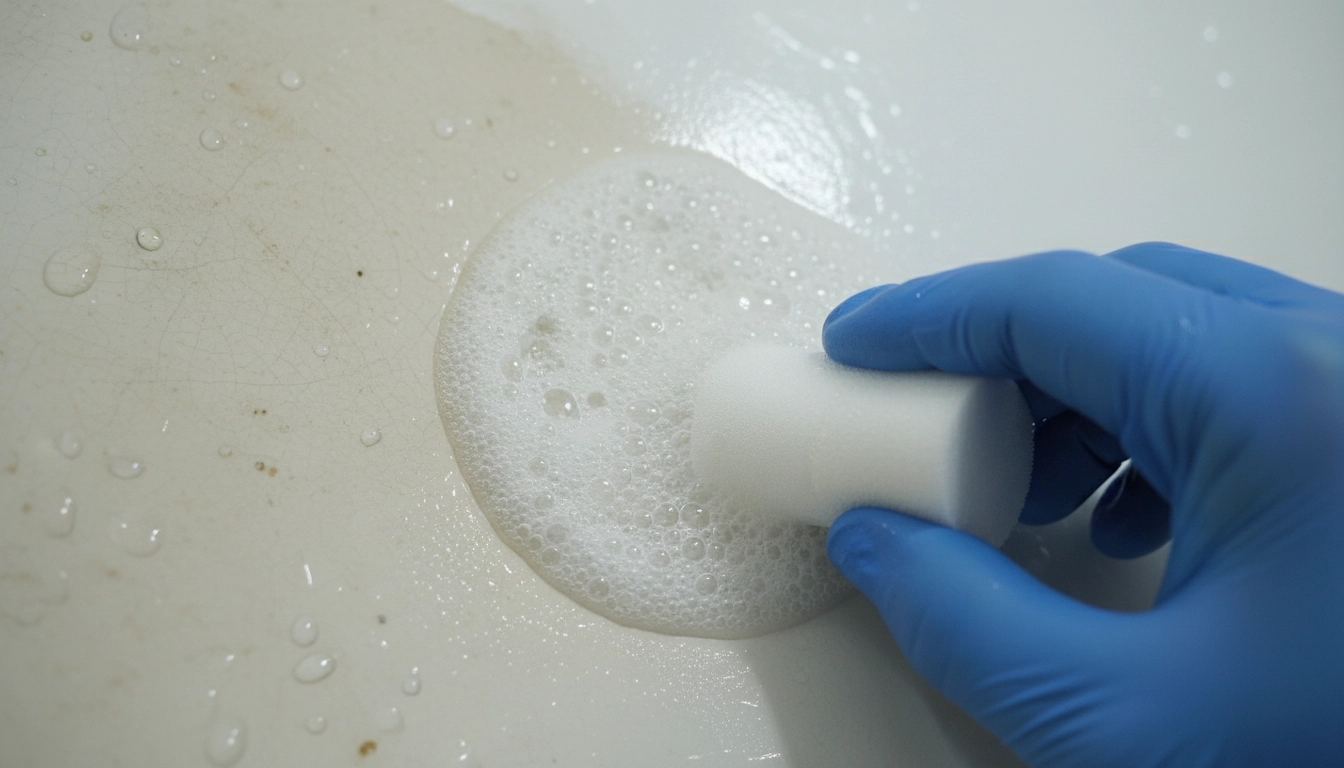
We need to define what this actually is so we aren’t comparing garbage to gold. Bathtub refinishing is a chemical process. Some call it reglazing. Others call it resurfacing. It doesn’t matter. The point is to restore the surface.
It isn’t a coat of paint. If you think you can just roll on some hardware store white, you’re wrong. It involves acid etching. You strip the old finish. Then you apply high-tech primers. Then you add layers of specialized topcoat. This stuff bonds at a molecular level. It’s science, not art.
The goal is a hard finish. It should look new. It should feel new. But you didn’t have to rip a hole in your floor to get it. When I look at a risk profile for a bathroom, I see refinishing as a way to stop the bleeding. You mitigate the danger of discovering bad pipes or water damage. You keep the tub where it is. You lock in the current infrastructure. It’s a smart move for anyone with a solid tub who just hates the color. Like that avocado green. It’s hideous. Fix it without the sledgehammer.
Current Bathtub Refinishing Prices and What Affects Them
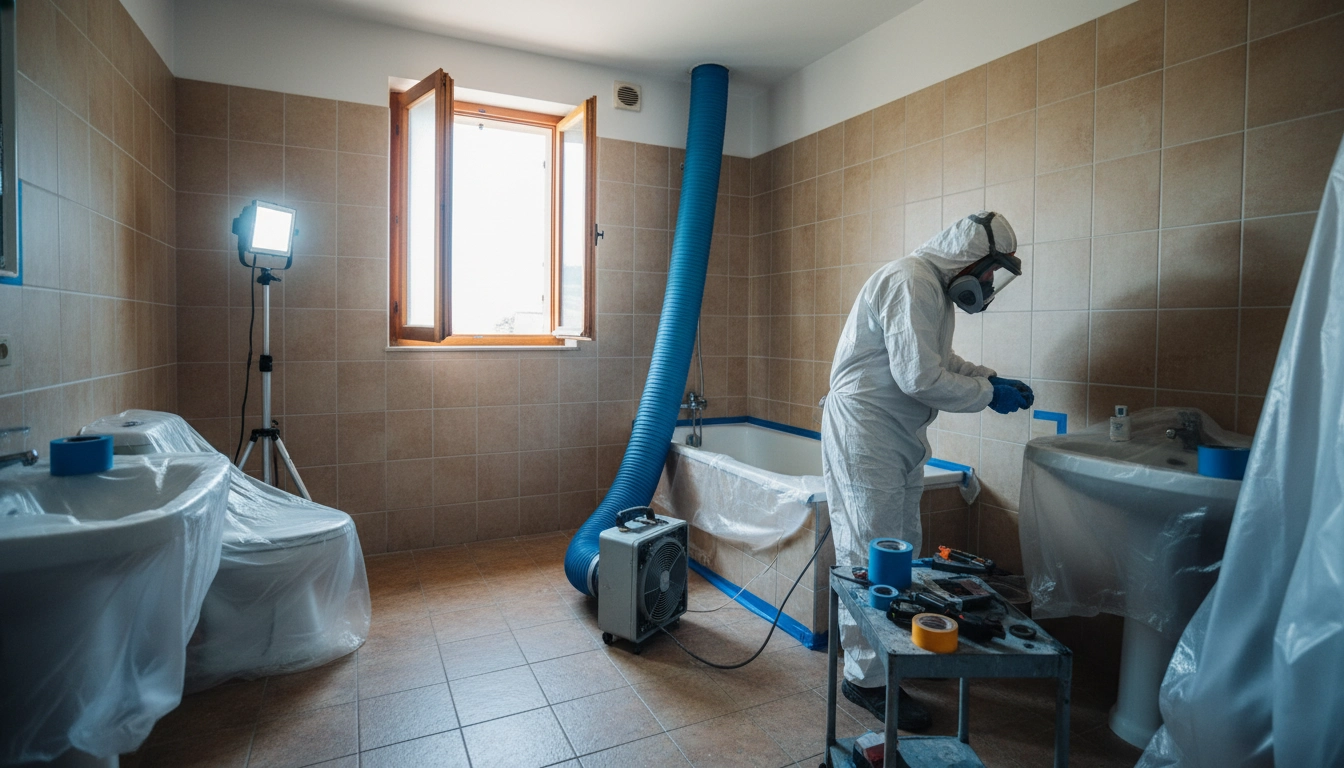
The market is messy right now. The average bathtub refinishing cost is between four hundred and eight hundred bucks. That’s for a standard job. But look out. The sticker price isn’t the end. Variables can swing the bill by 30%. Easy.
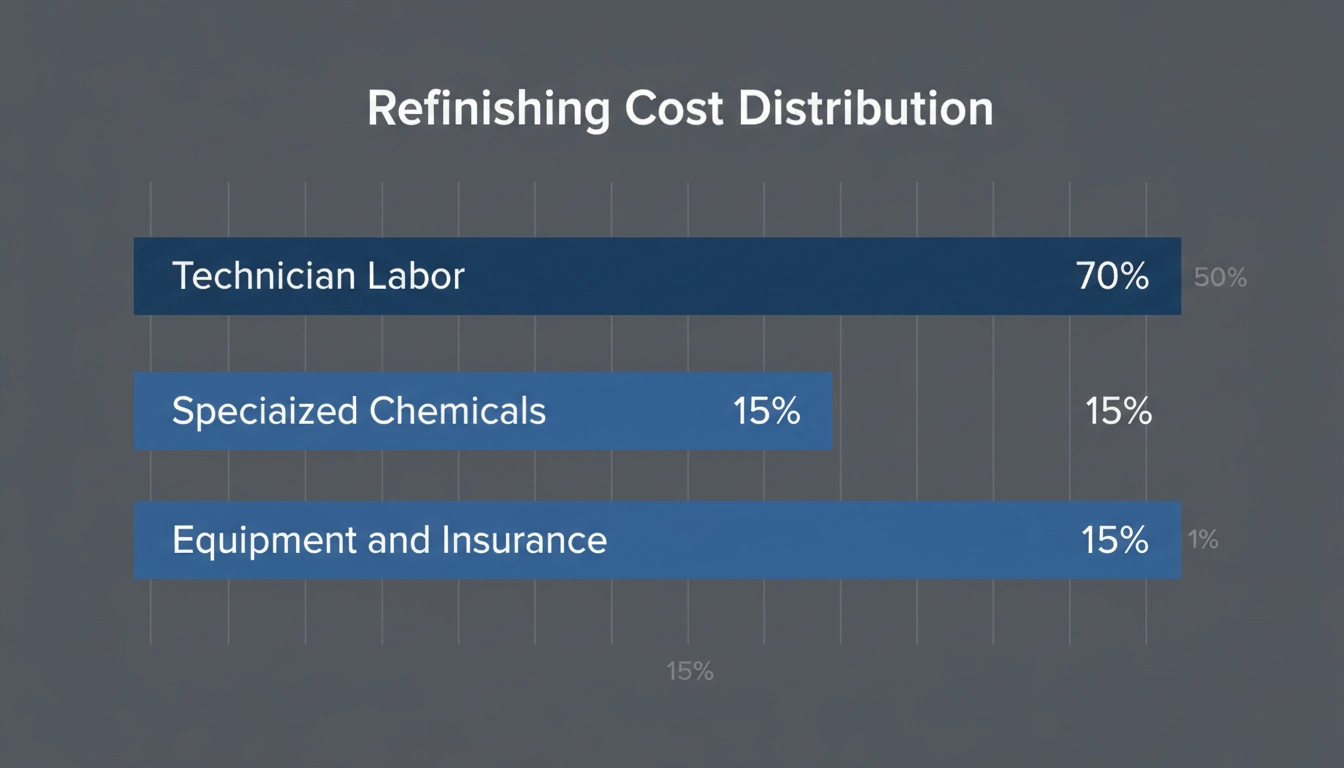
I put together a quick breakdown of where your money actually goes during one of these jobs so you can see why the labor quote looks the way it does.
My Take
Labor is the biggest line item because you are paying for the technician’s expertise and their safety equipment. If a quote is suspiciously low, they are likely skipping the ventilation steps or using ‘cheap’ house paint instead of industrial glaze.
The condition is the big one. Does the tub have rust? Is it chipped? Did someone try to paint it themselves? If so, the labor goes way up. You’re paying for time. Labor is the main driver here. The chemicals are dangerous. They require ventilation. You’re paying for a pro who knows how to handle the market volatility of drying times. If the humidity is high, the job takes longer. That’s a risk.
Size also matters. A sixty-inch tub is the baseline for standard bathtub measurements. But what if you have a huge garden tub? Or a clawfoot? More surface area means more material. More material means more money. Simple math.
The Stripping Fee
If your bathtub has been refinished before, a professional will likely charge an additional one hundred to two hundred dollars to strip the old coating. Never skip this step, as applying a new finish over a failing one is a guaranteed recipe for premature peeling.
Bathtub Refinishing Cost by Material
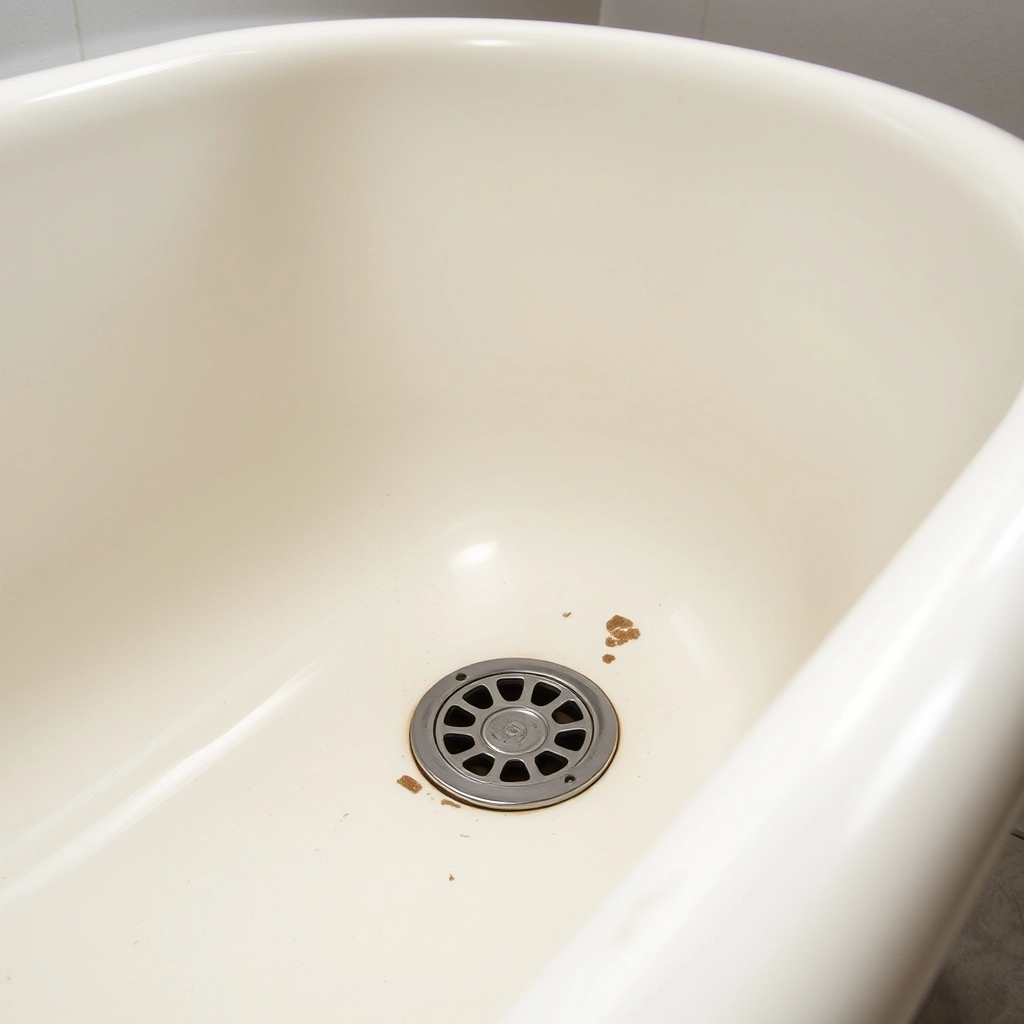
The material of the tub tells you the price. Cast iron is the king. It’s stable. It holds heat. Refinishing these is usually straightforward. Unless there is crazing or deep cracks in the porcelain. Cast iron is heavy. Like, three hundred pounds heavy. Trying to haul that out of a second-story bathroom is a nightmare. Refinishing is almost always the better financial call here.
Before you commit to a specific tub material, you need to understand the risk-to-reward ratio for each one based on the current market.
| Tub Material | Work Effort | Standard Cost | Risk Factor |
|---|---|---|---|
| Cast Iron | Low | 400 to 600 dollars | Low |
| Fiberglass | Medium | 500 to 700 dollars | Moderate |
| Steel | High | 350 to 500 dollars | High |
My Take
Cast iron is the best asset to refinish because the structural integrity is usually high. Avoid refinishing steel if there is deep rust near the drain, as the ‘yield’ on that investment is zero because the rust will just return.
Fiberglass and acrylic are different. They move. They flex. The compound needs elasticity. If it doesn’t have it, the finish will crack when you fill the tub with hot water. The cost is often a bit higher for these. You need a better primer.
Steel tubs are the cheapest to reglaze. They are also the riskiest. Rust is the enemy. If you see rust-through near the overflow, stop. The risk of failure is too high. I tell people that refinishing a rusted steel tub is throwing money away. Get a pro to look at it first. Make sure the asset is worth the investment.
Bathtub Refinishing vs Replacement Detailed Cost Comparison
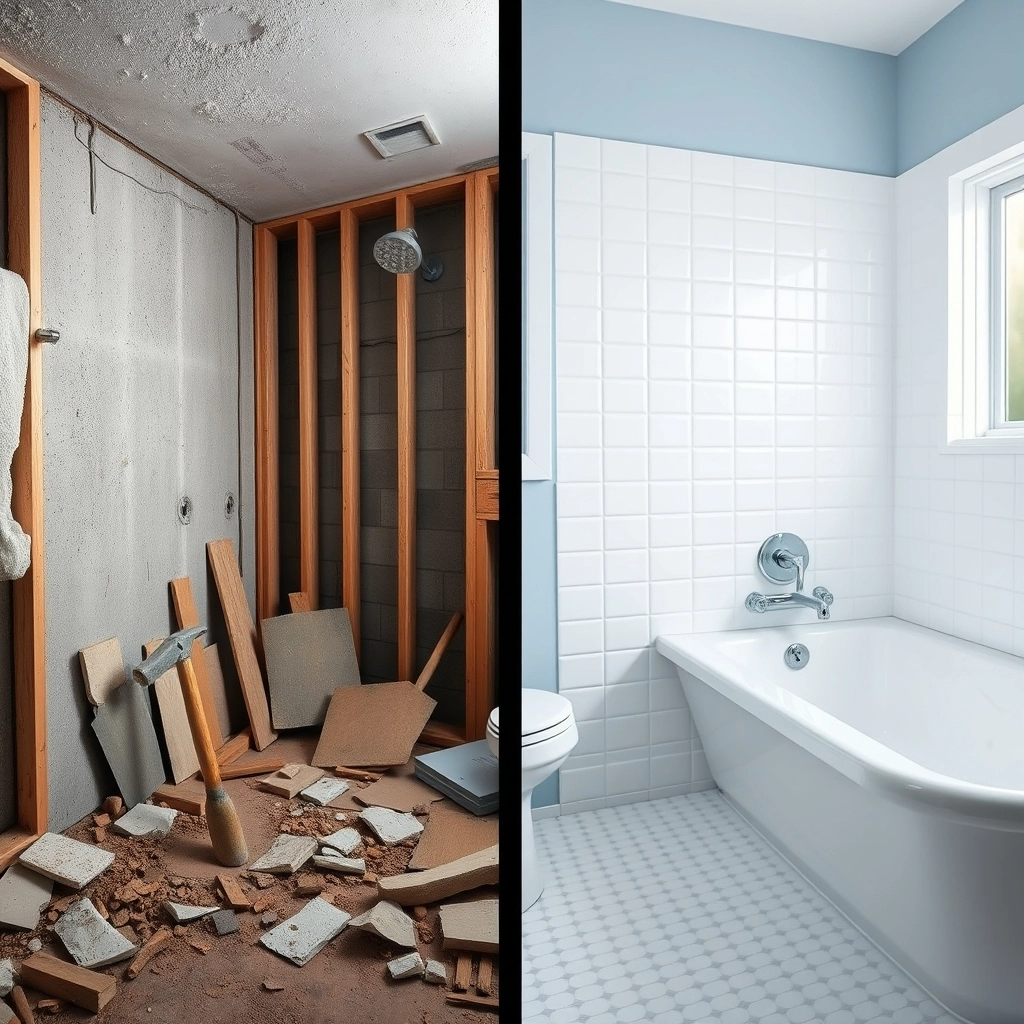
Look at the other side of the ledger. A new tub is three hundred bucks at a big box store. Great. But that’s a lie. The total project cost is the real number for how much a new bathroom costs. You have to pay for demolition. Disposal fees. Plumbing updates. Once the walls are open, you have to meet the current code. That’s where the money goes.
I ran the numbers on a side-by-side comparison to show you the massive liability gap between a simple glaze and a full demolition.
| Expense Category | Refinishing Project | Full Replacement |
|---|---|---|
| The Tub Unit | Zero Dollars | 400 Dollars |
| Disposal and Trash | Zero Dollars | 500 Dollars |
| Skilled Labor | 600 Dollars | 2500 Dollars |
| Total Liability | 600 Dollars | 3400 Dollars |
My Take
Replacement costs are ‘variable liabilities’ while refinishing is a ‘fixed cost.’ In any risk assessment, the fixed cost is the safer bet because you are not opening up the walls to find mold or bad pipes.
A simple replacement becomes a three-thousand-dollar nightmare quickly. New tile. Subfloor repairs. It never ends. Refinishing stays in its lane. It’s a fixed cost. Usually one-fifth of the price. If you’re doing a rental or a quick flip, refinishing is the only thing that makes sense. You keep the heavy-duty tubs from the old days but make them look clean. Replacement is for when the tub is actually cracked or you’re moving the whole layout. Otherwise, it’s a waste.
Hidden Plumbing Risks
Replacing a tub often requires moving the drain or replacing old galvanized pipes. This can add one thousand dollars to your budget instantly. Refinishing avoids this risk entirely by leaving the existing plumbing undisturbed.
DIY Kit vs Professional Bathtub Reglazing Cost Breakdown
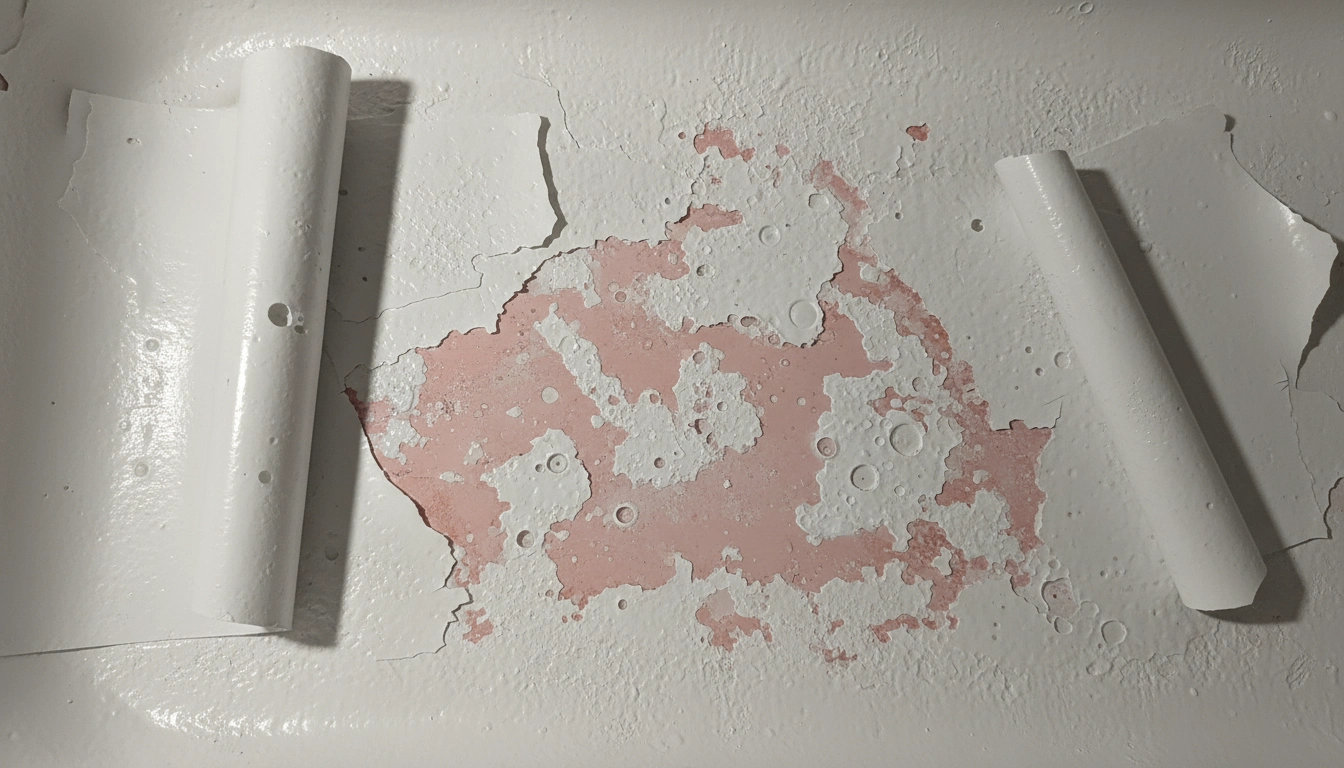
Fifty dollars for a DIY kit sounds like a steal. It isn’t. It’s a trap. As an analyst, I call this a false economy. These kits are just epoxy paint. You brush it on. It looks okay for a week. Then it starts to peel. They don’t have the bonding agents. They don’t have the spray finish.
If you are still thinking about that fifty-dollar kit from the hardware store, look at this failure analysis first.
| Feature | Home DIY Kit | Professional Service |
|---|---|---|
| Application Tools | Brush and Roller | HVLP Sprayer |
| Chemical Grade | Epoxy Paint | Industrial Glaze |
| Expected Lifespan | 1 to 2 Years | 10 to 15 Years |
| Warranty Coverage | None | 5 to 10 Years |
My Take
The DIY route is a high-risk gamble with a low-quality payout. You are essentially painting your tub with house paint and hoping it sticks. If it fails, you pay double to have a pro strip it off later.
A pro uses a high-volume low-pressure spray. It’s smooth. It’s non-porous. If your DIY job fails, you have to pay the pro even more to strip off your mess. The risk of failure is massive. A pro gives you a warranty. Five years. Ten years. Factor in your time. Factor in the redo. The professional route is the only sound financial choice for your bathtub refinishing cost. Don’t be cheap. It costs more in the long run.
Bathtub Refinishing Cost per Tub With National and Local Price Ranges
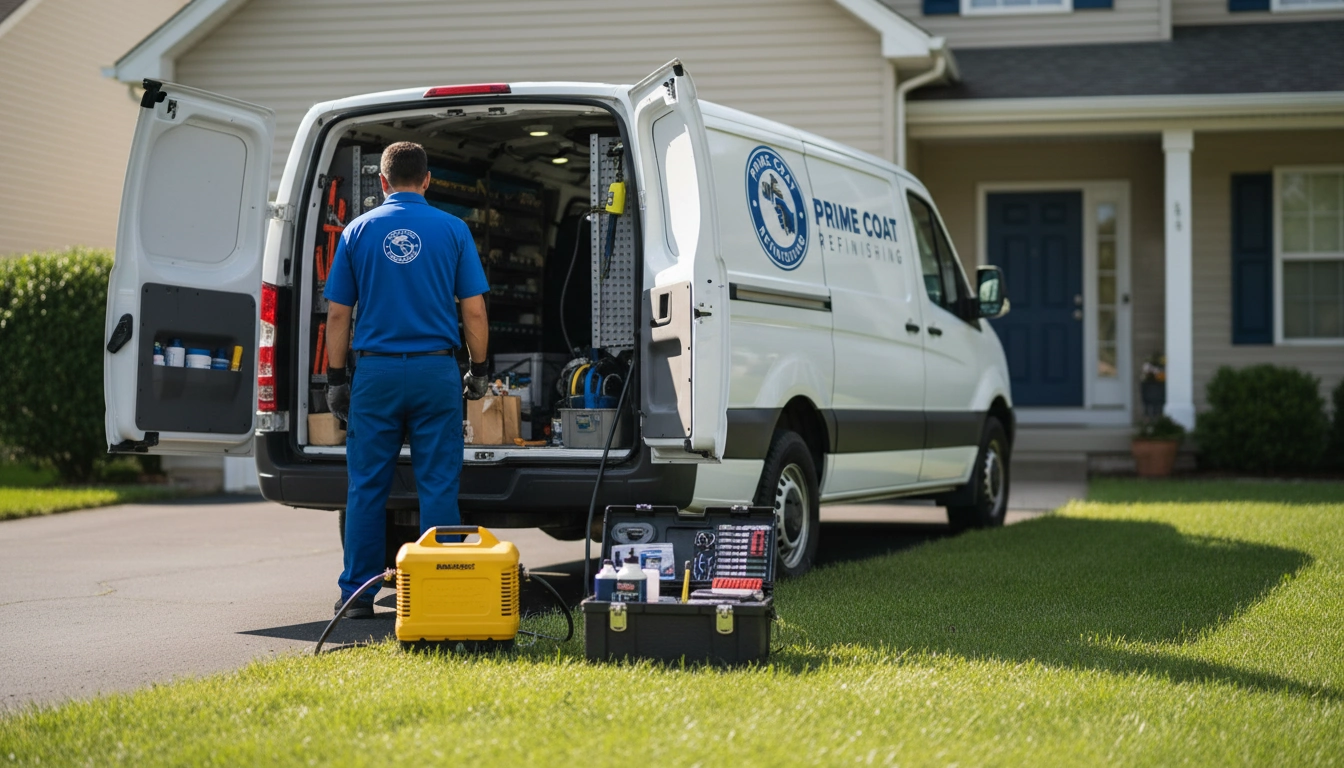
Where you live matters. In big cities, you pay more. Six hundred to nine hundred bucks. Insurance is higher there. Gas is higher. In the sticks, maybe three hundred and fifty. But you might have to wait weeks. The market volatility of labor is real.
Got two tubs? Negotiate. If the guy is already there, he can do the second one cheaper. Fifteen percent off. Maybe twenty. He preps the second one while the first one dries. It’s about efficiency. Always check reviews. The quality is about the guy holding the spray gun. If he’s bad, the job is bad. Simple as that.
Ask for the Warranty
A reputable refinishing company should offer at least a five-year warranty against peeling. Always read the fine print to see what cleaning products are prohibited, as using the wrong chemicals can void your protection.
Conclusion
Getting the bathtub refinishing cost right is about logic. Balance what you want with what you can afford. For most people, refinishing is the winning move. It manages the budget. It keeps quality high.
Stop thinking about DIY. It’s a gamble you’ll lose. If the tub is solid, keep it. Give it a new face. It’s a low-risk strategy. High reward. What do you think? Have you tried to reglaze a tub? Did it last? Tell me about your budget wins or losses in the comments. I’m curious if anyone actually saved money on a full replacement. Doubt it.