





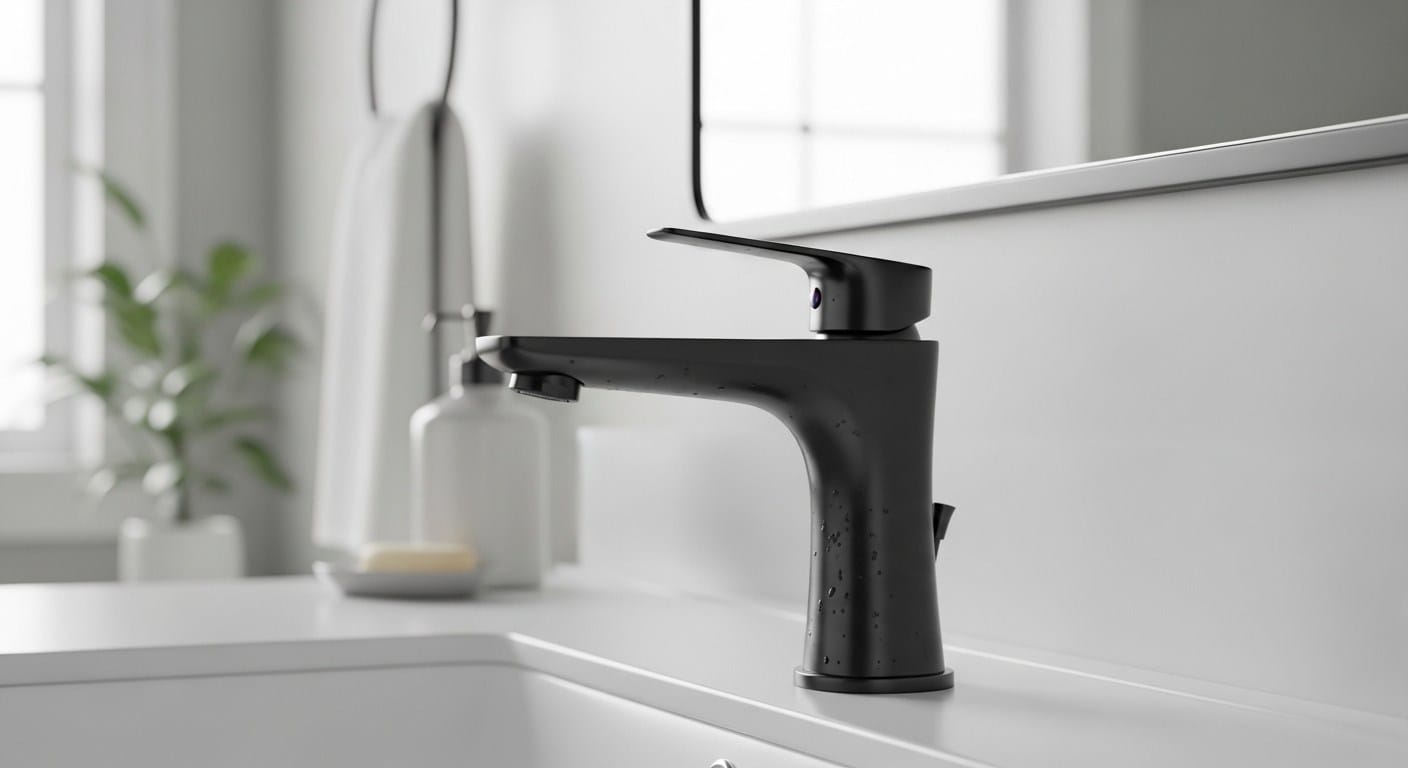

Choosing the right single handle bathroom faucet might seem like a small detail in a big renovation, but in my line of work, I’ve seen firsthand how much impact it can have. It’s not just about turning water on and off; it’s about daily convenience, water efficiency, and how well it stands up to years of use. For most homeowners, a single handle faucet offers that perfect blend of straightforward operation and a clean, modern aesthetic. Let me tell you what I’ve learned from countless bathroom remodels about picking one that won’t give you headaches down the road.
- Selecting the Best Single Handle Bathroom Faucets: A Contractor’s Perspective
- Embracing Modern & Minimalist Designs in Single Handle Faucets
- Beyond the Basics: Water-Saving Features and Efficiency
- Pro Installation Tips for Your Single Handle Faucet
- Durable Finishes: Matte Black, Mixed Metals, and More
- Bringing it All Together
Selecting the Best Single Handle Bathroom Faucets: A Contractor’s Perspective
When clients ask me for a recommendation, I always steer them toward durability first, and then aesthetics. It’s tempting to go for the cheapest option, but trust me, you’ll regret it when it starts dripping a year later or the finish wears off. The best single handle bathroom faucet isn’t just a pretty face; it’s a workhorse.
What to Look for Beyond Looks: Build Quality and Components
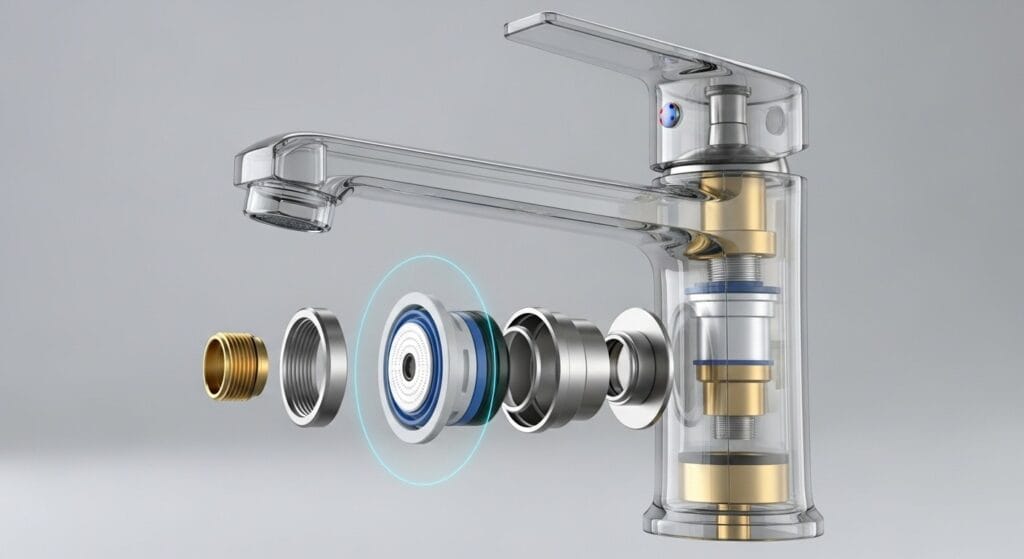
From my perspective, the core of any good faucet is its cartridge. This is the heart of the faucet, controlling water flow and temperature. You want a faucet with a ceramic disc cartridge. They’re incredibly durable, resisting wear and tear far better than older rubber washer types. If a manufacturer is cutting corners here, they’re likely doing it elsewhere too.
Look for solid brass construction in the faucet body; it’s heavier, more corrosion-resistant, and indicates a higher quality product. Plastic components are okay for some internal parts, but not for the main housing. Always check the supply lines that come with it. Good quality lines, often braided stainless steel, are a sign that the manufacturer pays attention to the details that matter for long-term reliability.
Trusted Brands from My Toolbox
Over the years, I’ve worked with just about every brand out there. When it comes to single handle bathroom faucets that consistently perform, I always recommend looking at Moen, Delta, and Kohler. They’ve earned their reputations for a reason. Moen’s Posi-Temp technology, for instance, is excellent for preventing sudden temperature changes. Delta’s DIAMOND Seal Technology uses diamond-embedded ceramic discs for impressive longevity.
Kohler often offers a wider array of design options with robust construction. For those looking for a step up in luxury and craftsmanship, Grohe and Pfister are also solid choices, though they come with a higher price tag. These brands generally back their products with good warranties, which tells you they stand behind their quality. Choosing a faucet from one of these brands is usually a smart bet for peace of mind.
Embracing Modern & Minimalist Designs in Single Handle Faucets
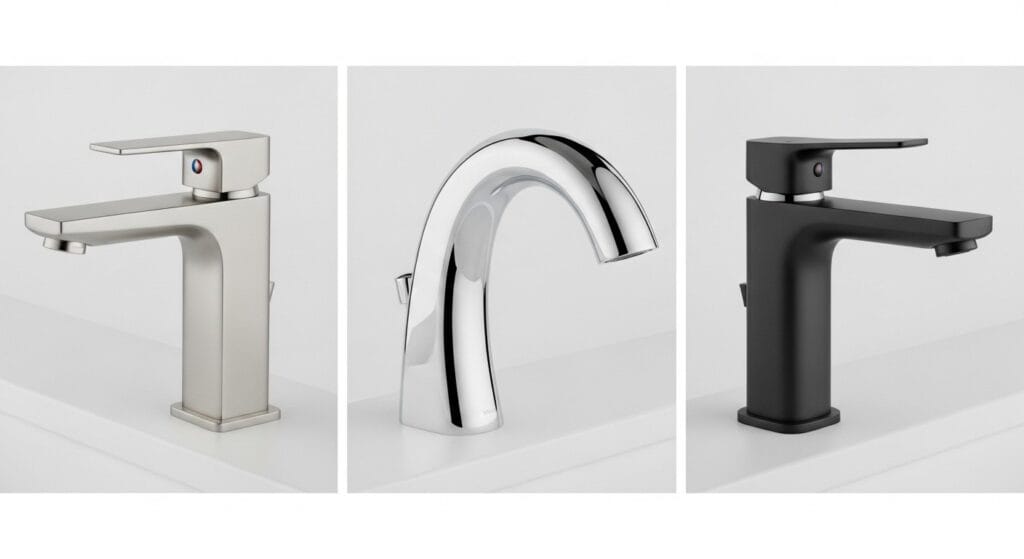
The beauty of a single handle bathroom faucet often lies in its clean lines and simple operation. It naturally lends itself to modern and minimalist aesthetics, which are incredibly popular right now. Homeowners are drawn to designs that declutter the counter and offer a sleek, sophisticated look.
The Clean Lines of Contemporary Design
Modern single handle bathroom faucet designs focus on simplicity and functionality. Think about a rectangular spout flowing into a single, slender lever, or a curved goose-neck design that makes a statement without being overly ornate. These faucets blend seamlessly into contemporary bathrooms, complementing vessel sinks or understated vanity tops. The lack of a second handle immediately cleans up the visual space around the basin, contributing to that sought-after minimalist vibe. It’s not just about looks; it’s about creating a tranquil, uncluttered environment.
Integrating Style with Functionality
When I talk about integrating style, I’m not just referring to the visual appeal. A well-designed modern faucet also feels good to use. The smooth action of a single lever, the precise temperature control, and even the way the water flows from the spout are all part of the experience.
Many contemporary designs also incorporate hidden aerators, which further enhance the sleek look while still providing efficient water delivery. It’s about finding that balance where the faucet looks fantastic, but also performs flawlessly and feels intuitive in daily use. A good example is a pull-down spout on a single handle kitchen faucet, adapting for the bathroom. While less common, the principle of integrated functionality is the same.
Beyond the Basics: Water-Saving Features and Efficiency
In this day and age, a faucet that saves water isn’t just a nice-to-have; it’s essential. Modern single handle bathroom faucet models come with impressive technology aimed at reducing water consumption without sacrificing performance. It’s good for the environment, and it’s good for your utility bills.
Aerators and Flow Rates: Understanding the Numbers
The key player in water-saving is the aerator, a small device screwed into the end of the faucet spout. It mixes air with the water, maintaining a strong spray while significantly reducing the actual volume of water used. The industry standard for bathroom faucets is typically 1.2 gallons per minute (GPM), but you’ll find some that go as low as 0.5 GPM. For older faucets, a common flow rate might be 2.2 GPM. Switching to a 1.2 GPM model can make a noticeable difference in your water usage, especially if you have multiple bathrooms. Always check the GPM rating when you’re shopping; it’s usually printed right on the packaging or in the specifications.
The Impact on Your Water Bill and the Environment
Over time, these seemingly small reductions in flow rate really add up. Think about how many times a day you and your family turn on the bathroom faucet – for washing hands, brushing teeth, rinsing. Each time, you’re using less water. This translates directly to lower water bills, which is a tangible benefit every homeowner appreciates.
Beyond your wallet, it contributes to water conservation efforts, which is increasingly important. Many faucets are also Water Sense certified, meaning they meet EPA criteria for water efficiency and performance. This certification is a solid indicator that you’re getting a faucet designed with efficiency in mind.
Pro Installation Tips for Your Single Handle Faucet
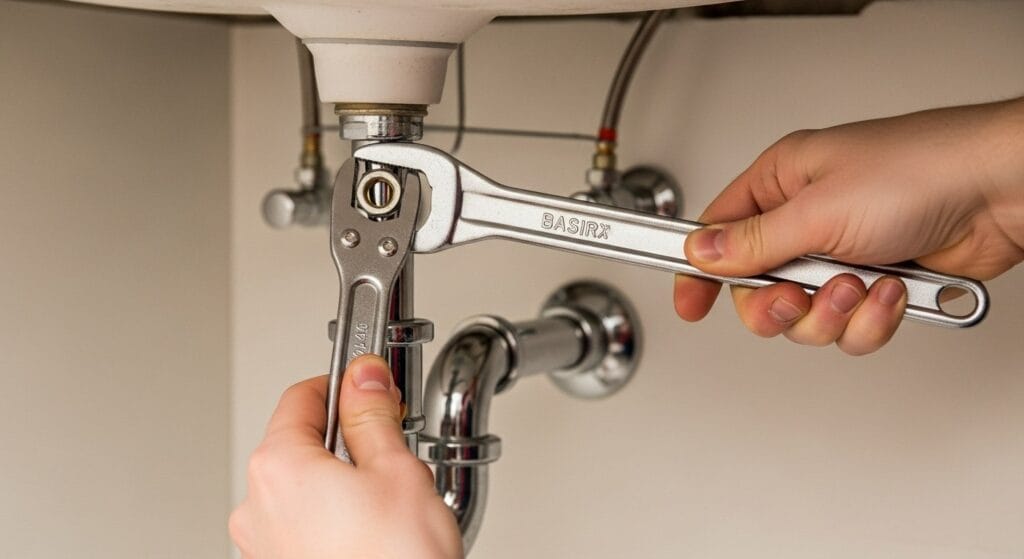
Even for a seasoned pro, installing a single handle bathroom faucet can have its quirks. For a homeowner tackling it for the first time, a few practical tips from my experience can make all the difference between a smooth job and a frustrating afternoon. This isn’t just about following directions; it’s about anticipating issues.
Essential Tools and Preparations
Before you even unbox the faucet, make sure you have the right tools. You’ll need an adjustable wrench, a basin wrench (this is critical for tightening nuts in tight spaces under the sink), plumber’s putty or silicone sealant, a screwdriver (often Philips head), and a bucket or towels for drips. Most importantly, shut off the water supply to the sink “before” you do anything else. If you can’t find individual shut-off valves under the sink, you’ll need to turn off the main water supply to your house. I always recommend clearing out everything from under the sink too – you’ll appreciate the extra elbow room.
Step-by-Step Guidance
Once the old faucet is out and the area is clean, feeding the new faucet’s supply lines and shank through the hole(s) in the sink or countertop is usually the first step. For a single handle faucet, you’ll typically have one large hole, or a three-hole sink with a deck plate to cover the unused holes. Secure the faucet from underneath with its mounting hardware. This is where that basin wrench comes in handy.
Don’t overtighten; snug is good. Then, connect your hot and cold supply lines to the corresponding valves under the sink. Always hand-tighten first, then give them a quarter-turn with the wrench. Finally, connect the drain assembly, ensuring you use plumber’s putty or silicone where needed to prevent leaks around the sink opening.
Common Pitfalls to Avoid
A mistake I often see is homeowners forgetting to flush the lines before connecting the faucet. After you install the new faucet but before connecting the supply lines to the faucet itself, slowly turn on the water valves to let any debris or sediment flush out into a bucket. This prevents tiny particles from getting trapped in your brand new ceramic cartridge, which can cause drips right away.
Also, make sure your hot and cold lines are connected correctly – sounds obvious, but in a tight space, it’s easy to mix them up. Test for leaks thoroughly before you put anything back under the sink. Run the water for a few minutes, check all connections, and then come back in an hour to double-check. A small drip can become a big problem.
Durable Finishes: Matte Black, Mixed Metals, and More
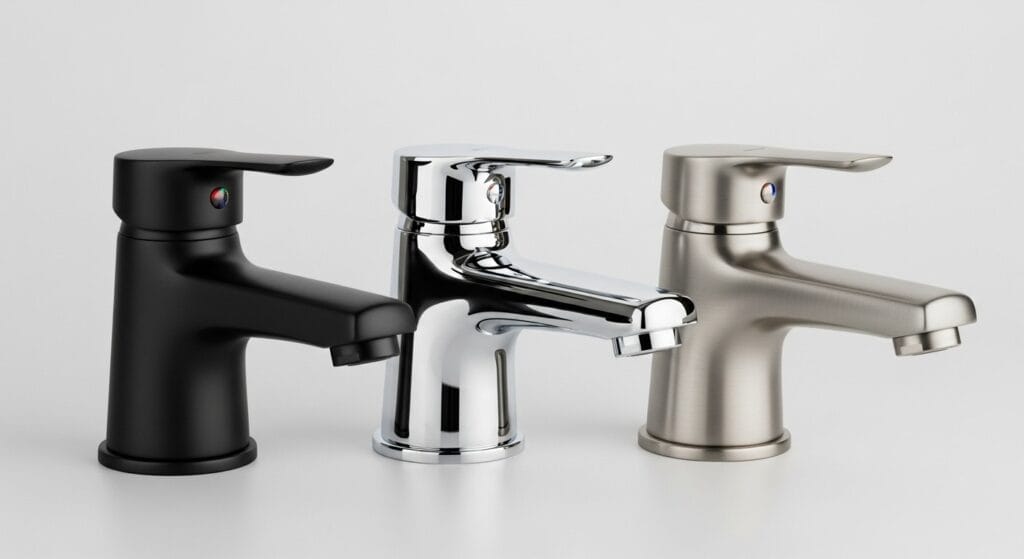
The finish of your single handle bathroom faucet is more than just a style statement; it’s a protective layer that needs to withstand daily use, cleaning chemicals, and moisture. Choosing the right finish is crucial for both aesthetics and longevity.
The Rise of Matte Black and Its Maintenance
Matte black has soared in popularity, and for good reason – it offers a bold, sophisticated contrast in many bathroom designs. However, it’s important to understand that matte finishes can be a bit more prone to showing fingerprints and water spots than highly polished chrome. To keep a matte black faucet looking pristine, I recommend a simple routine:
wipe it down daily with a soft, damp cloth and then buff dry. Avoid harsh abrasive cleaners or scrub pads, as these can scratch the finish. On a recent project, a client used an ammonia-based cleaner, and it subtly dulled the matte finish over time. Stick to mild soap and water, or cleaners specifically designed for bathroom fixtures.
Other Finishes That Stand the Test of Time
While matte black is trending, other finishes continue to be popular workhorses. Chrome is still the most common and often the most durable. It’s incredibly resilient, easy to clean, and resists corrosion well. Brushed nickel is another excellent choice; its subtle, warm tone hides water spots and fingerprints beautifully, making it a low-maintenance option that still looks elegant Polished nickel offers a warmer sheen than chrome but can show fingerprints more readily.
Oil-rubbed bronze provides a classic, antique look and is generally quite durable, though the finish can vary slightly from one manufacturer to another. Recently, I’ve also seen more mixed metal finishes, where a chrome faucet might have a black handle, or brushed gold accents. These can look fantastic but ensure the quality of both finishes is high to prevent uneven wear.
Bringing it All Together
Choosing the right single handle bathroom faucet is a crucial decision that impacts your bathroom’s functionality, aesthetics, and long-term performance. It’s not just about what looks good; it’s about investing in quality construction, reliable components, and a finish that will stand the test of time.
By considering factors like ceramic disc cartridges, reputable brands, water-saving features, and proper installation techniques, you’ll be well on your way to a faucet that provides years of trouble-free service. Take your time, do your homework, and you’ll end up with a fixture you’ll be happy with every single day.