





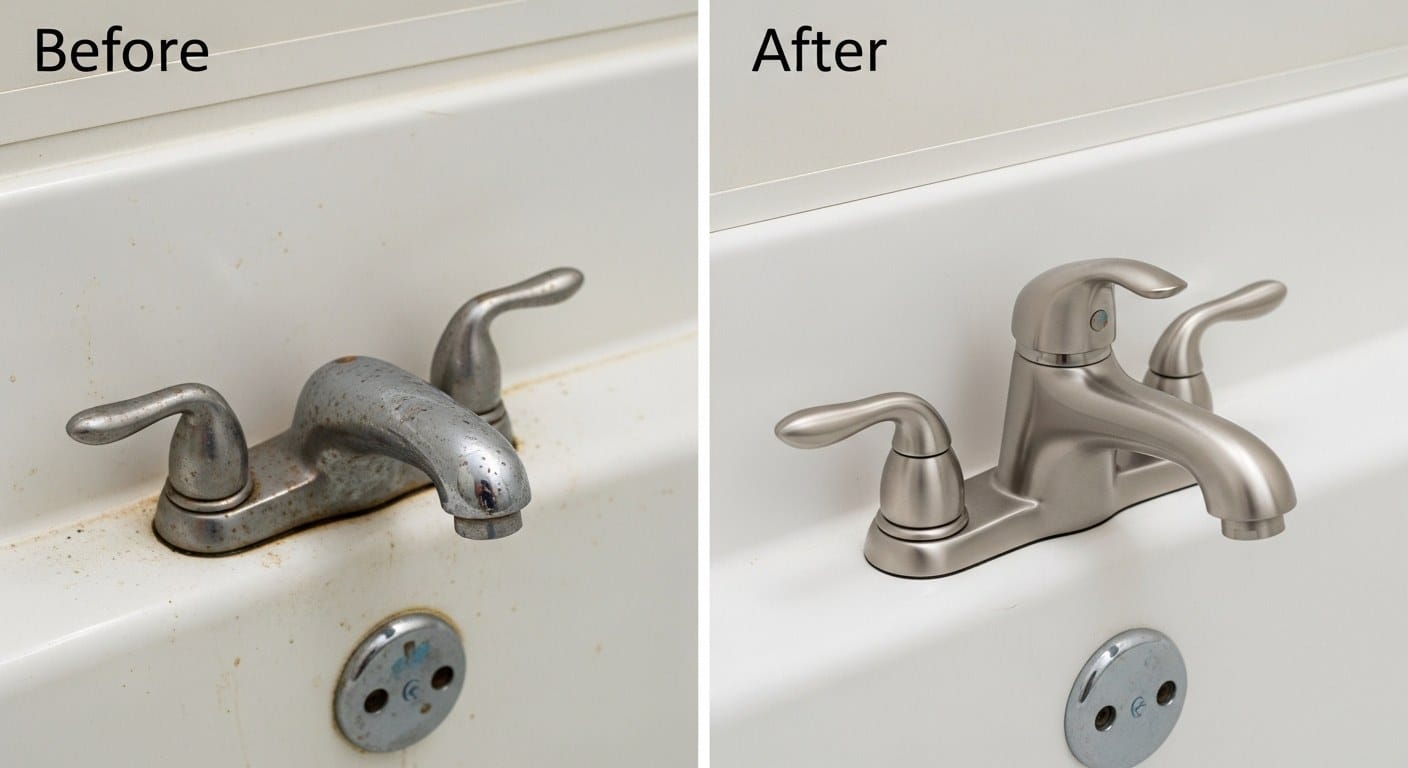

Replacing or upgrading a mobile home bathtub faucet might seem like a straightforward task, but in my years of working on these units, I’ve learned that they often present their own unique set of challenges. Mobile homes have different plumbing configurations compared to traditional stick-built houses.
Thinner walls, specific connection types, and sometimes less common fixture designs are just a few examples. This isn’t meant to intimidate you, but to empower you with the right knowledge. My goal here is to give you the straight scoop, based on countless hours in the field, so you can tackle your project with confidence, avoid common pitfalls, and ensure you get a durable, functional faucet that truly fits your mobile home.
Whether you’re dealing with a persistent drip, low water pressure, or simply want to refresh the look of your bathroom, choosing the right mobile home bathtub faucet and understanding its installation process is key. I’ve seen homeowners waste time and money on incompatible parts, only to call a professional later.
With this comprehensive guide, you’ll learn exactly what to look for, how to install it properly, and how to troubleshoot common issues, saving you both headaches and cash in the long run. Let’s get down to business and make sure your new manufactured home faucet serves you well for years to come.
Selecting the Right Mobile Home Bathtub Faucet
Choosing the right mobile home bathtub faucet starts with understanding that not all faucets are created equal, especially when it comes to manufactured housing. In my experience, one of the biggest misconceptions is that any standard residential faucet will work.
While many universal options exist, mobile homes often require specific considerations due to their unique construction. You’ll typically find faucets designed for two-hole or three-hole installations, with the spacing between the holes being a critical measurement.
Standard spacing might be 4 inches for a lavatory faucet, but for tubs, it’s often a wider spread. Always measure your existing setup carefully, including the distance between the hot and cold inlets and any diverter for the shower.
Understanding Mobile Home Faucet Specifics
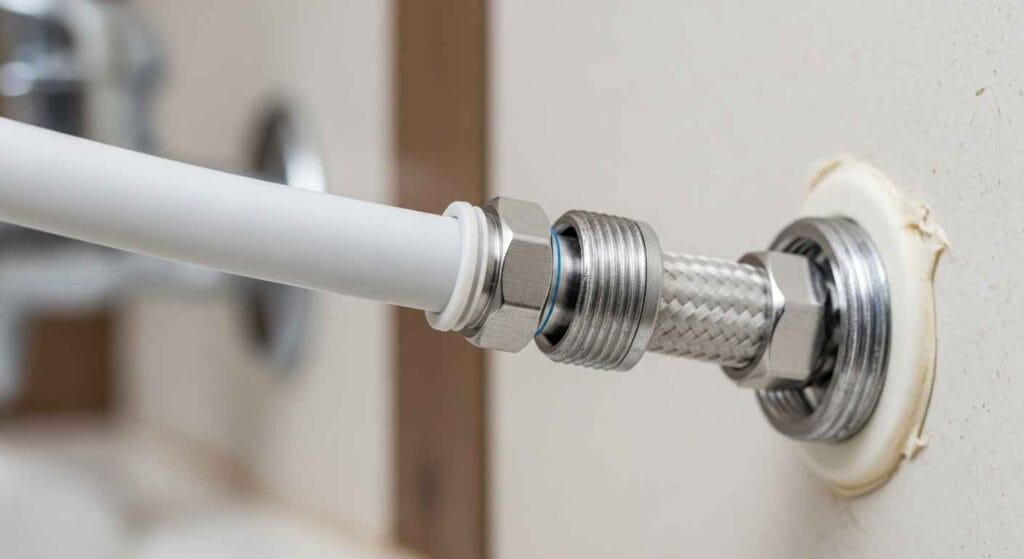
Mobile home plumbing often uses PEX tubing or flexible CPVC/PEX connections rather than rigid copper or galvanized pipes, which can affect the type of faucet inlets you’ll need. Many mobile home faucets come with integrated connections suitable for these materials, often requiring male threaded fittings that connect directly to the existing supply lines. It’s crucial to check your current connections and ensure your new faucet matches.
Brands like Phoenix Faucets and Dura Faucet specialize in mobile home and RV plumbing, designing their products specifically for the lighter construction and unique water systems. They often feature lighter materials and simpler designs to accommodate the thinner wall panels and sometimes less robust support structures common in manufactured housing. Don’t assume a heavy, bulky faucet designed for a tiled, stick-built wall will fit or perform well in your mobile home; it might put undue stress on your existing setup.
Single-Handle vs. Two-Handle Designs
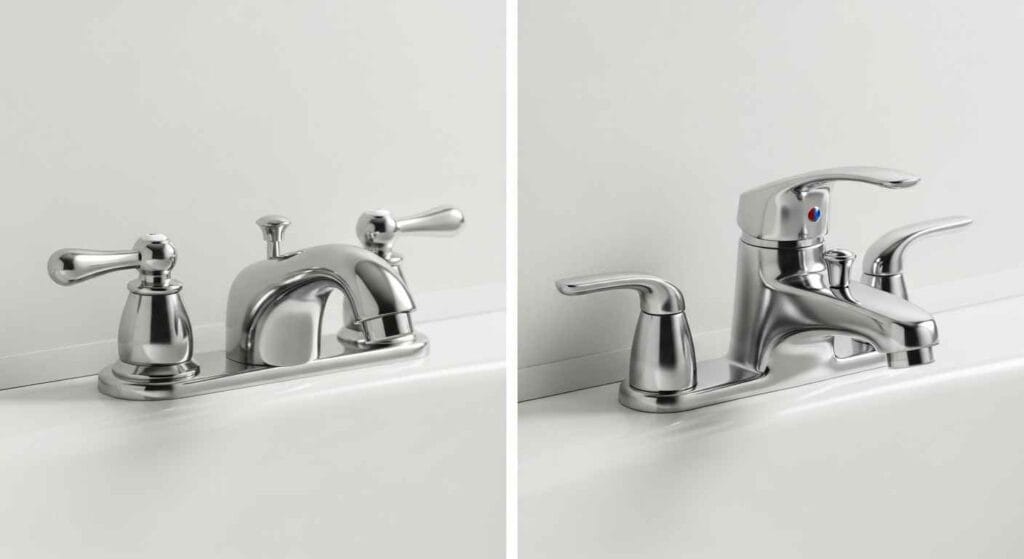
When it comes to operation, you’ll generally encounter two main types of mobile home tub faucets: single-handle and two-handle faucets. A single-handle design offers convenience, allowing you to control both temperature and water flow with one lever.
These are popular for their ease of use and minimalist look. However, they can sometimes be more challenging to get to a precise temperature quickly. Two-handle faucets, with separate knobs for hot and cold, offer more granular temperature control, which some homeowners prefer.
They might have a more traditional aesthetic. From a contractor’s perspective, neither is inherently better for a mobile home; it really comes down to personal preference and what your existing tub cutouts can accommodate. If you have a two-handle setup, converting to a single-handle might require significant modification to the tub or wall, which can be costly and complicated. Stick with what you have unless you’re prepared for a bigger project.
Material and Finish Considerations
The material and finish of your mobile home bathtub faucet aren’t just about aesthetics; they affect durability and ease of maintenance. Common finishes include chrome, brushed nickel, and oil-rubbed bronze. Chrome is often the most budget-friendly and durable, resisting tarnishing and scratching well.
Brushed nickel offers a more subdued, contemporary look and is excellent at hiding water spots and fingerprints. Oil-rubbed bronze provides a classic, antique feel but can show wear more visibly over time. For the faucet body itself, brass construction is generally the gold standard for longevity and corrosion resistance, though you might find more affordable options made from zinc alloys or even plastic in some budget mobile home faucets.
While plastic might save you a few dollars upfront, I’ve seen them fail much faster, especially the internal components. It’s often worth investing a little more in a solid brass body, even if the exterior finish is less exotic, for long-term peace of mind in your manufactured home.
A Step-by-Step Guide to Mobile Home Bathtub Faucet Installation
Installing a new mobile home bathtub faucet isn’t rocket science, but it does require careful attention to detail. I’ve seen enough DIY installations go wrong to know that rushing or skipping steps can lead to leaks, frustration, and extra expenses.
Before you even think about grabbing your wrench, take a moment to gather your tools and prepare your workspace. Safety first, always. You’re working with water and potentially tight spaces, so a little planning goes a long way. This isn’t just about getting the new faucet in; it’s about making sure it stays put and doesn’t cause problems down the line for your mobile home plumbing.
Essential Tools and Safety Precautions
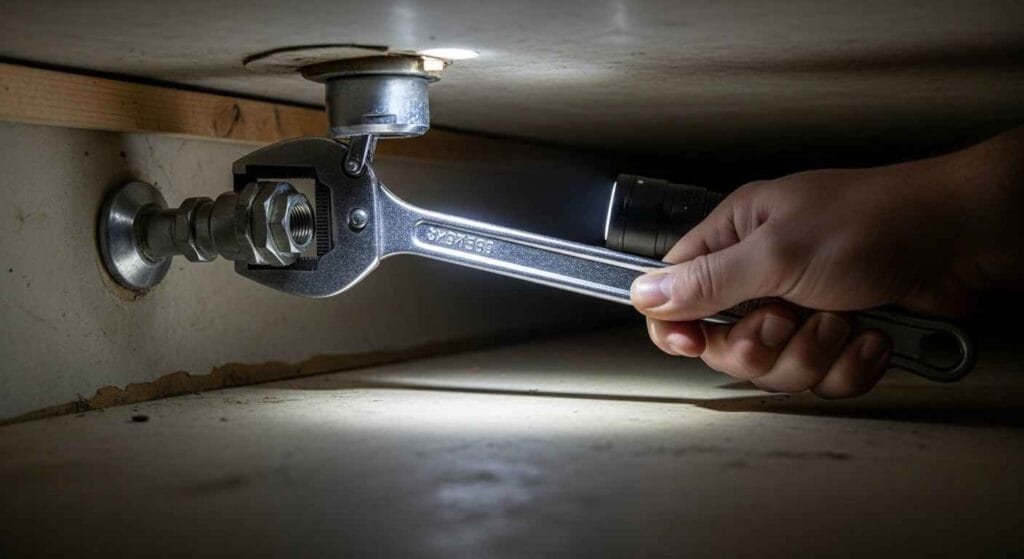
Before you begin your faucet installation, gather these essential tools: a basin wrench (an absolute lifesaver for tight spaces under the tub), an adjustable wrench, a screwdriver set (Phillips and flathead), plumber’s putty or silicone caulk, a utility knife, a rag or bucket for drips, and a flashlight. For safety, always turn off the main water supply to your mobile home before starting any plumbing work.
This isn’t optional; it prevents accidental floods. You might also want to wear safety glasses and gloves, especially if you’re dealing with old, corroded pipes or fittings. Clear the area around the tub, and if possible, lay down some old towels or a tarp to catch any stray water. Access panels are usually present in mobile homes; make sure you know where yours is and how to open it.
The Removal Process
First things first: shut off the water supply and drain the lines by opening a nearby faucet. Then, typically you’ll need to access the backside of the faucet. For mobile homes, this often means removing an access panel in an adjacent closet, utility area, or even outside if the tub is against an exterior wall.
With access gained, you’ll see the hot and cold-water supply lines connected to the faucet’s shanks. Use your adjustable wrench or basin wrench to disconnect these supply lines. There might be compression fittings or threaded connections.
Once disconnected, you’ll need to loosen the nuts or mounting hardware that secure the faucet body to the tub or wall. Often, these are large nuts that can be tricky to reach, which is where the basin wrench truly shines. Once all connections and mounting nuts are loose, carefully pull the old faucet assembly away from the tub or wall. Give the area a good clean, removing any old caulk or plumber’s putty.
Connecting the New Faucet
With the old faucet out and the area clean, you’re ready for the new mobile home bathtub faucet. If your new faucet requires plumber’s putty, apply a thin bead around the base of the faucet before inserting it through the holes. If it uses a rubber gasket, ensure it’s seated correctly.
Carefully insert the new faucet assembly into the mounting holes. From underneath, secure it with the mounting nuts and washers provided, tightening them by hand first, then with your wrench. Be careful not to overtighten, as you could crack the tub or damage the faucet.
Once the faucet body is secure, connect your hot and cold-water supply lines to the corresponding inlets on the new faucet. Again, hand-tighten first, then use your wrench for a snug fit. Don’t crank them down excessively; overtightening can strip threads or damage washers. Always use two wrenches where appropriate: one to hold the faucet inlet, and one to tighten the supply line nut, to avoid twisting the faucet body.
Testing and Sealing
After connecting everything, it’s time for the moment of truth: testing for leaks. Slowly turn the main water supply back on. Have a flashlight and a dry rag ready under the tub. Carefully check all connections for any drips or seepage.
Run the faucet, check the shower diverter, and let the water flow for a few minutes. Look for any signs of leakage around the base of the faucet and at all the connections. If you find a small leak, try gently tightening the offending connection a quarter turn at a time until it stops.
If there are no leaks, great! Now, if you used plumber’s putty, clean up any excess that squeezed out from under the faucet. For a clean, watertight seal around the base of the faucet where it meets the tub or wall, apply a thin bead of silicone caulk.
This helps prevent water from seeping behind the fixture and causing mold or structural damage, especially in thinner mobile home walls. Allow the caulk to cure according to the manufacturer’s instructions before heavy use, typically 12-24 hours.
Troubleshooting Common Mobile Home Bathtub Faucet Issues
Even the best mobile home bathtub faucet can develop problems over time. When I get a call for a leaky faucet or one with inconsistent water, my first thought isn’t always replacement; often, it’s a simple fix. Knowing how to diagnose and address these common issues can save you money on parts and labor, and it builds confidence in your home repair skills.
Don’t let a minor plumbing annoyance turn into a major headache. With a bit of patience and the right approach, many mobile home faucet repair issues are well within the scope of a handy homeowner.
Leaks: Drips, Seals, and Cartridges
A leaky mobile home bathtub faucet is probably the most common complaint I hear. The culprit is almost always a worn-out washer, O-ring, or cartridge. For two-handle faucets, a constant drip from the spout usually points to a worn-out compression washer or seat washer in one of the handles.
You’ll need to turn off the water, disassemble the handle, stem, and remove the old washer, replacing it with a new one of the exact same size. For single-handle faucets, the issue is typically a worn-out cartridge. This is the internal component that controls both flow and temperature.
Replacing a cartridge involves carefully removing the handle, escutcheon plate, and then the cartridge itself. It’s critical to get the “exact” replacement cartridge for your specific faucet model, as they are not universal. Take the old one to your local hardware store or plumbing supply to match it perfectly. Neglecting a leak doesn’t just wastewater; it can lead to staining, mold, and even structural damage over time, especially in mobile home walls which are more susceptible to moisture issues.
Low Water Pressure
Experiencing low water pressure from your mobile home tub faucet can be incredibly frustrating. One of the most common causes, and thankfully the easiest to fix, is a clogged aerator or a restricted showerhead (if your faucet includes a diverter). Mineral deposits, rust, or debris can build up in these screens over time.
Unscrew the aerator or showerhead, clean out any gunk with a small brush or toothpick, and soak it in a mixture of vinegar and water to dissolve mineral buildup. Rinse thoroughly before reattaching. If that doesn’t solve it, the issue could be with the faucet’s internal components, such as a partially blocked cartridge or even debris in the supply lines themselves.
In older mobile homes, I’ve sometimes found that the shut-off valves under the tub weren’t fully open or had deteriorated internally. If the low pressure is specific to the tub faucet and other fixtures in your mobile home are fine, it’s likely localized to the faucet or its immediate supply lines.
Temperature Fluctuations
Unpredictable temperature swings, where your hot water suddenly turns cold or vice versa, are usually linked to either the water heater or the faucet’s mixing valve/cartridge.
In a mobile home, sometimes the water heater capacity or recovery rate just isn’t keeping up, especially if multiple fixtures are running. However, if it’s primarily happening at the tub faucet, a faulty mixing cartridge is a strong suspect for single-handle models.
This component is designed to blend the hot and cold water consistently. If it’s defective or clogged with mineral deposits, it can’t regulate the mix effectively. Replacing the cartridge, as described for leaks, often resolves this. For two-handle faucets, ensure that both the hot and cold supply lines are fully open and that there isn’t an obstruction in one line causing an imbalance.
On a recent project, we discovered an old, corroded shut-off valve on the hot water line had partially collapsed, severely restricting flow and causing temperature issues at the tub.
Smart Budgeting: Affordable Faucet Options for Mobile Homes
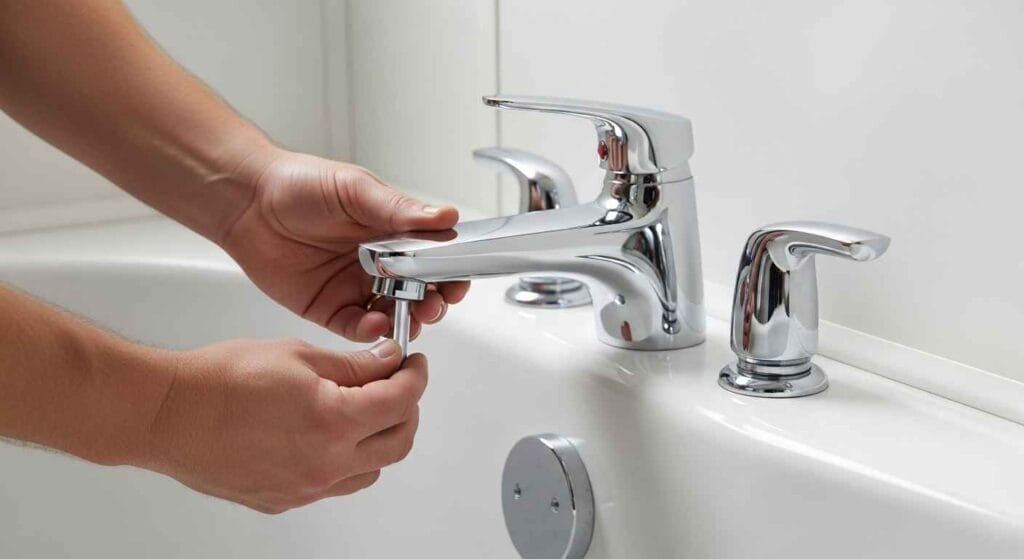
When you’re looking for a new mobile home bathtub faucet, you don’t always have to break the bank to get quality. There are plenty of reliable, budget-friendly options that will serve you well without sacrificing too much on durability or style. The key is knowing where to look and what features genuinely matter for a mobile home application.
As a contractor, I’ve installed everything from basic utility models to high-end fixtures, and I can tell you that a higher price doesn’t always translate directly to a better fit or longer life in a mobile home setting. Smart budgeting means making informed choices, not just picking the cheapest option available.
Balancing Cost and Quality
Finding the sweet spot between cost and quality for a mobile home bathtub faucet means looking for value-driven brands and materials. While a super cheap plastic faucet might seem appealing, it often means sacrificing durability and facing potential leaks or breakdowns much sooner.
Conversely, you don’t necessarily need a premium solid brass fixture from a high-end designer brand for a mobile home; their features might be overkill, and the mounting might not even be compatible with your wall thickness. Look for faucets with brass internal components and a durable exterior finish like chrome, even if the body is a lighter alloy.
Pay attention to the warranty as well; a good warranty is often a sign of a manufacturer’s confidence in their product, regardless of its price point. I often tell folks to think of it this way: a basic, well-built model from a reputable “value” brand will almost always outperform a poorly made “designer” knock-off for your manufactured home.
Brands Known for Value
Several brands consistently offer good value in mobile home bathtub faucets. Dura Faucet and Phoenix Faucets are prominent in the RV and mobile home market, offering products specifically designed for these applications.
They understand the unique plumbing and mounting requirements, and their price points are generally very reasonable. For more widely available options that can sometimes cross over, brands like Delta’s Foundations series or Moen’s Chateau collection often have basic, reliable models that can work, provided you verify the connection types and mounting spread.
These larger brands have extensive replacement part availability, which is a huge plus down the road. Local hardware store brands or generic imports can be a gamble; while some are fine, others cut corners on internal components like cartridges and O-rings, which are the first things to fail and the hardest to replace if they’re proprietary. Always check reviews and consider the ease of finding replacement parts for your mobile home tub faucet.
The Refurbishment Route
Sometimes, the most budget-friendly option for your mobile home bathtub faucet isn’t buying new, but refurbishing what you already have. If your faucet body is in good shape and you’re just dealing with a leak or poor performance, replacing the internal components like cartridges, washers, or O-rings can be a very cost-effective solution.
This approach is particularly effective for well-known brands where replacement parts are readily available. It requires a bit of DIY effort and some careful identification of the correct parts, but it often costs a fraction of a new faucet. This is especially true for older, more robust faucet bodies that might be better built than some of the cheaper new options.
Before you toss out a perfectly good-looking faucet, check if a simple part swap can give it a new lease of life. It’s an environmentally friendly choice, too, extending the life of your existing manufactured home faucet.
Sourcing and Replacing Mobile Home Tub Faucet Parts
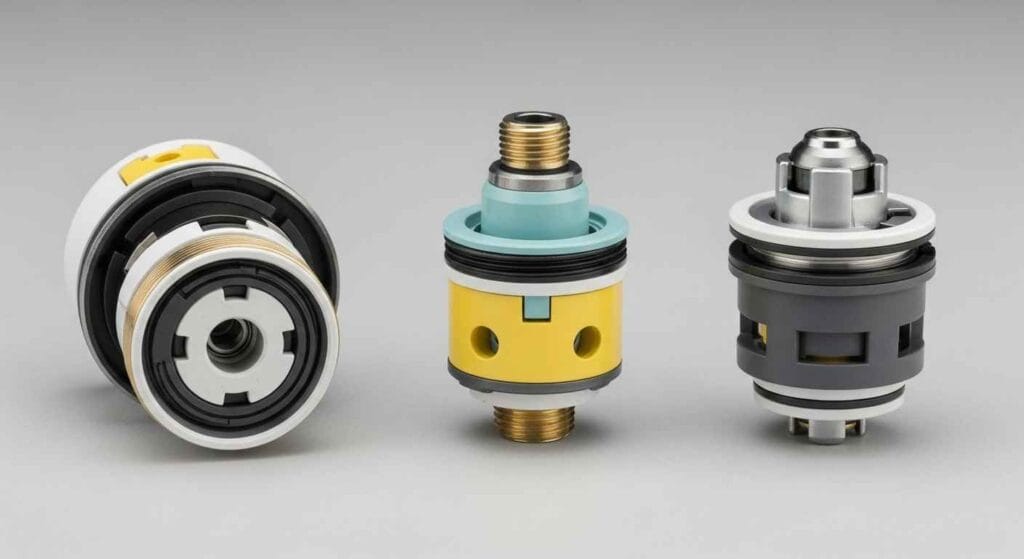
Finding the right replacement parts for a mobile home bathtub faucet can sometimes feel like a treasure hunt, especially for older models. Mobile home plumbing can be a bit more niche than standard residential, meaning not every hardware store will stock exactly what you need.
However, with the right approach and a bit of persistence, you can usually track down what you’re looking for. Knowing how to identify the part and where to search will save you a lot of running around and prevent you from buying incompatible components for your mobile home faucet repair.
Identifying the Right Parts
The single most important step in sourcing replacement parts for your mobile home bathtub faucet is accurate identification. If possible, remove the faulty part first – whether it’s a leaky cartridge, a worn-out washer, or a corroded O-ring.
Take it with you to the store. If you can’t remove it or need to identify it beforehand, look for any brand names or model numbers etched or printed on the faucet body, handles, or escutcheon plate. Sometimes, the original installation manual (if you have it) will list part numbers.
Snap clear photos from multiple angles. Pay close attention to the number of splines on a stem, the shape of a cartridge, and the exact dimensions of washers or O-rings. Even a millimeter difference can make a new part incompatible, leading to more frustration. Don’t guess; measure and compare.
Where to Find Specific Components
For mobile home specific parts, your best bet is often a specialized mobile home supply store, an RV parts dealer, or online retailers that cater to manufactured housing. Websites like MobileHomePartsStore.com, Amazon, or even the manufacturer’s direct website (if you identify the brand) are excellent resources.
For more common parts like generic O-rings, washers, or standard cartridges from brands like Delta or Moen, your local hardware store (e.g., Lowe’s, Home Depot) or a dedicated plumbing supply house can be helpful. Don’t be afraid to ask for help from store associates but come prepared with your old part or detailed photos and measurements.
I’ve often found that even if a store doesn’t have the exact part in stock, they can usually order it or guide you to an equivalent. For very old or obscure fixtures, sometimes online forums or specialty antique hardware sites can be surprisingly useful for mobile home faucet parts.
DIY vs. Professional Repair
Deciding whether to tackle a faucet repair yourself or call a professional is a common dilemma. For simple tasks like replacing an aerator, cleaning a showerhead, or even swapping out a basic washer, DIY is often a great option for the handy homeowner.
The cost savings are significant, and it builds valuable experience. However, for more complex issues, like leaks from internal plumbing connections behind the wall, extensive re-piping, or if you’re uncomfortable with basic plumbing, calling a licensed plumber is usually the wisest choice.
A professional has the specialized tools, expertise, and insurance to handle difficult situations without causing further damage. In mobile homes, where walls are often thinner and access can be tricky, a mistake can quickly lead to much bigger and costlier repairs. Weigh your comfort level and the complexity of the repair before deciding.
My general rule of thumb: if you’re not confident you can do it without creating a bigger problem, it’s time to call in someone with more experience for your mobile home faucet installation or repair.
Installing or repairing a mobile home bathtub faucet doesn’t have to be an intimidating task. By understanding the specific needs of mobile home plumbing, choosing the right components, and following a clear process, you can achieve a professional-quality result. Remember, patience and attention to detail are your best tools in any plumbing project. Don’t rush, measure twice, and always double-check your connections for leaks.
A well-maintained and properly installed mobile home tub faucet will provide years of reliable service and contribute to the comfort of your manufactured home bathroom. Take confidence in your ability to improve your home, and enjoy your newly functional fixture!