





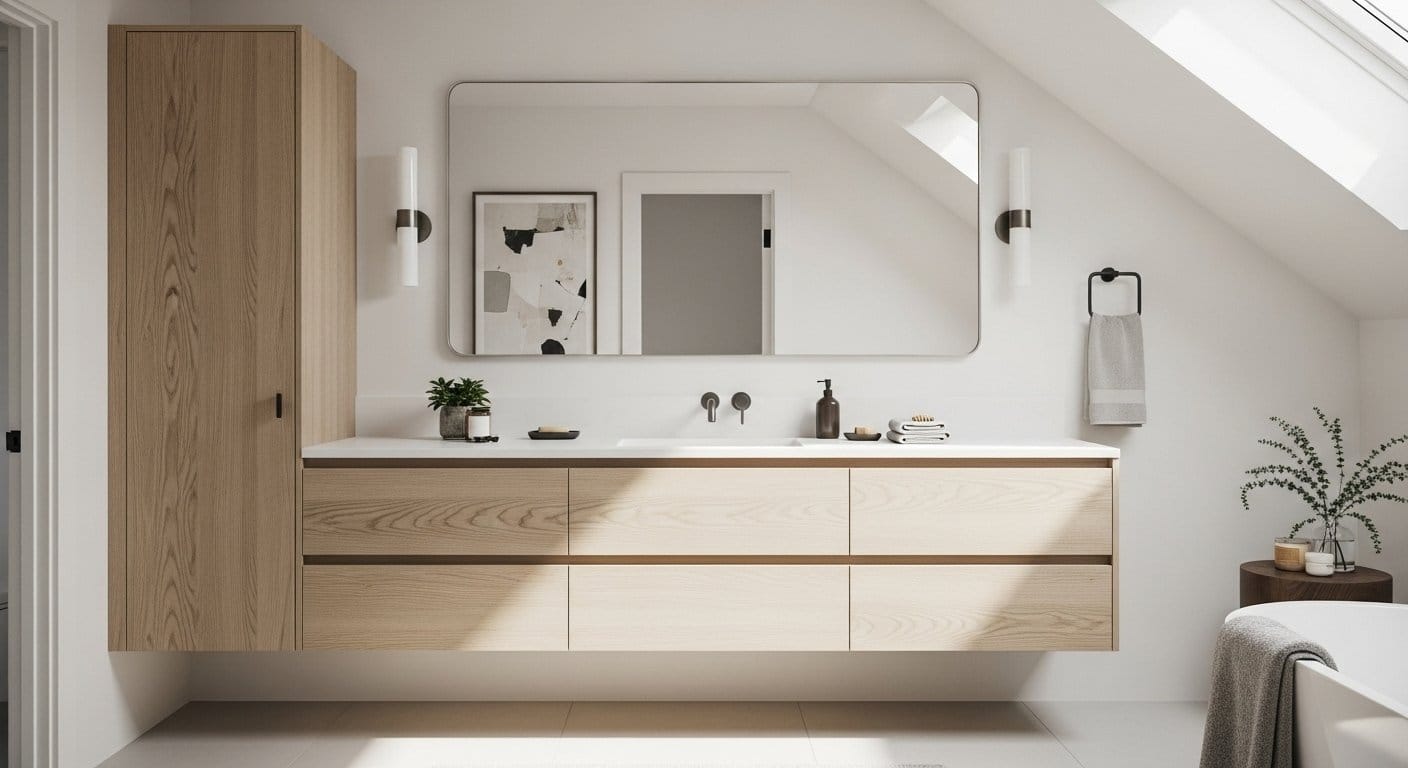

When folks ask me about timeless choices for bathroom renovations, a white oak bathroom vanity consistently makes it onto my short list. I’ve installed my fair share over the years, from grand master baths to snug powder rooms, and the material rarely disappoints. There’s something about white oak – its strength, its distinctive grain, the way it interacts with light – that just feels right in a space meant for quiet reflection and daily routines. It’s a decision that, when made right, really grounds a bathroom and adds a layer of sophistication that very few other materials can match.
- The Enduring Appeal of White Oak Bathroom Vanities
- Floating White Oak Vanities: Modern Design Meets Organic Warmth
- Perfect Pairings: Hardware & Design Elements for Your White Oak Vanity
- White Oak Vanities for Small Bathrooms: Maximizing Light & Space
- Sustainability & Durability: Why White Oak is a Smart Bathroom Vanity Choice
However, choosing the right white oak vanity isn’t just about good looks; it’s about making a practical investment that will stand up to the unique demands of a bathroom environment. We’re talking about moisture, humidity, and daily wear and tear. That’s where a bit of seasoned advice comes in. You need to understand what makes white oak such a solid contender, how to get the most out of its aesthetic, and what to look for to ensure it lasts. I’ve seen enough projects to know that the details make all the difference, and with white oak, those details are exceptionally rewarding.
The Enduring Appeal of White Oak Bathroom Vanities
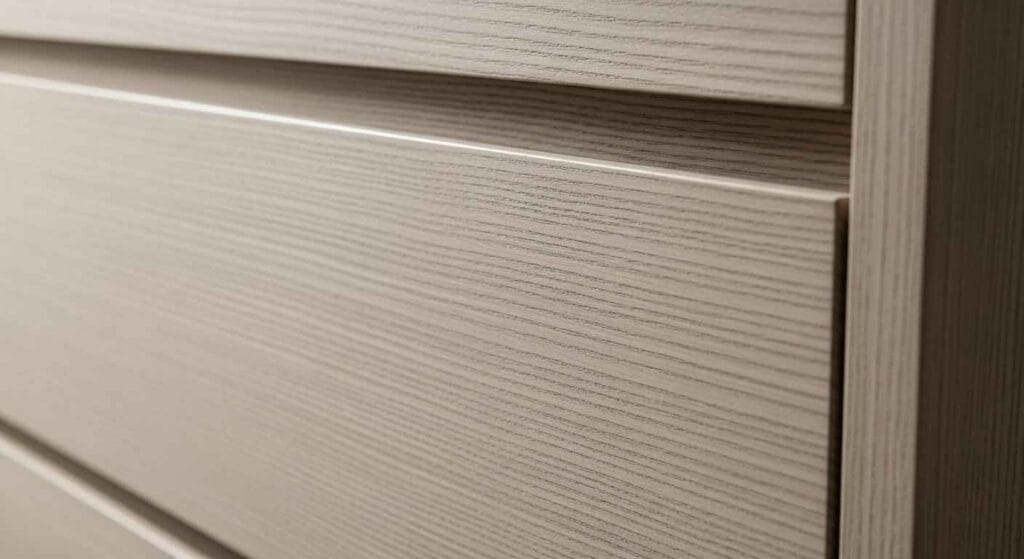
White oak, with its distinctive straight grain and subtle open pores, offers a beautiful natural aesthetic that brings warmth and organic texture into any bathroom. Unlike some woods that can appear busy or overly rustic, white oak typically presents a cleaner, more understated pattern, which makes it incredibly versatile. Its color palette ranges from creamy beige to light brown, often with grayish undertones, allowing it to blend seamlessly with various bathroom design styles, from traditional to ultra-modern.
In my experience, homeowners are increasingly drawn to the authenticity that natural materials provide. A white oak vanity isn’t just furniture; it’s a statement of quality and a connection to the natural world. This wood’s inherent beauty means it doesn’t need a lot of embellishment. The wood grain itself is the star of the show, offering subtle variations that ensure each piece is unique. When you’re standing in front of a well-crafted white oak vanity, you can feel the quality and the enduring appeal of a material that’s been trusted in construction and furniture making for centuries. It’s a choice that always feels current, yet never trendy.
Choosing the Right Finish for Your White Oak Vanity
While the natural grain of white oak is beautiful, the finish applied to a white oak vanity is crucial, especially in a bathroom. A quality finish does more than just enhance the wood’s appearance; it provides essential protection against moisture and daily use. I often recommend matte or satin finishes because they allow the natural texture of the wood to shine through without an overly glossy sheen. These finishes can also make minor imperfections or smudges less noticeable, which is a big plus in a high-traffic area.
When selecting a vanity, always inquire about the type of finish used. Polyurethane, lacquer, or even an oil-based finish can offer excellent protection, but they each have different maintenance requirements and aesthetic qualities. For instance, a clear, water-based poly will help preserve the lighter tones of white oak, while an oil-based finish might deepen its hue slightly over time. It’s also worth noting that some white oak vanities come with a wire-brushed finish, which subtly emphasizes the wood grain for an even more tactile experience. This sort of detail really sets a quality piece apart.
Floating White Oak Vanities: Modern Design Meets Organic Warmth
Floating vanities have surged in popularity over the last decade, and for good reason. They create an illusion of space, make bathroom cleaning easier, and lend a distinctly modern, minimalist aesthetic. When crafted from white oak, a floating vanity combines this contemporary design with the timeless warmth of natural wood, striking a perfect balance between sleekness and organic appeal. It’s a design choice that works particularly well in smaller bathrooms where every visual trick to expand the space counts, but also in larger ones where a clean, uncluttered look is desired.
The visual lightness of a floating white oak vanity contrasts beautifully with the perceived weight of traditional cabinet styles. This lightness, however, doesn’t mean a compromise on functionality. Many floating vanities are designed with ample drawer and cabinet space, leveraging clever internal layouts to maximize bathroom storage. From a contractor’s perspective, I’ve seen firsthand how a well-installed floating vanity can truly elevate a bathroom’s design, making it feel more open and sophisticated. It’s a bold choice that consistently delivers on both style and practicality, making a strong statement without overwhelming the space.
Expert Tips for Floating White Oak Vanity Installation

Now, from a practical standpoint, installing a floating white oak vanity demands a bit more planning than a standard floor-mounted unit. The key here is structural integrity. You can’t just hang these on drywall. On a recent project, we reinforced the wall studs with solid wood blocking before the drywall went up, ensuring the vanity had a rock-solid anchor. Without proper blocking, especially for heavier solid wood units, you run the risk of eventual sagging or worse. It’s a common mistake I see when folks try to cut corners.
Another critical consideration is the plumbing rough-in. With an open space beneath, all your supply lines and drain pipes need to be perfectly aligned and neatly tucked away. Chrome or matte black P-traps and supply lines can even become design elements if exposed. My advice? Don’t skimp on professional installation for a floating vanity. The initial setup ensures stability and a clean look that lasts. After all, a beautiful white oak vanity deserves a secure foundation to stand (or float) the test of time.
Perfect Pairings: Hardware & Design Elements for Your White Oak Vanity
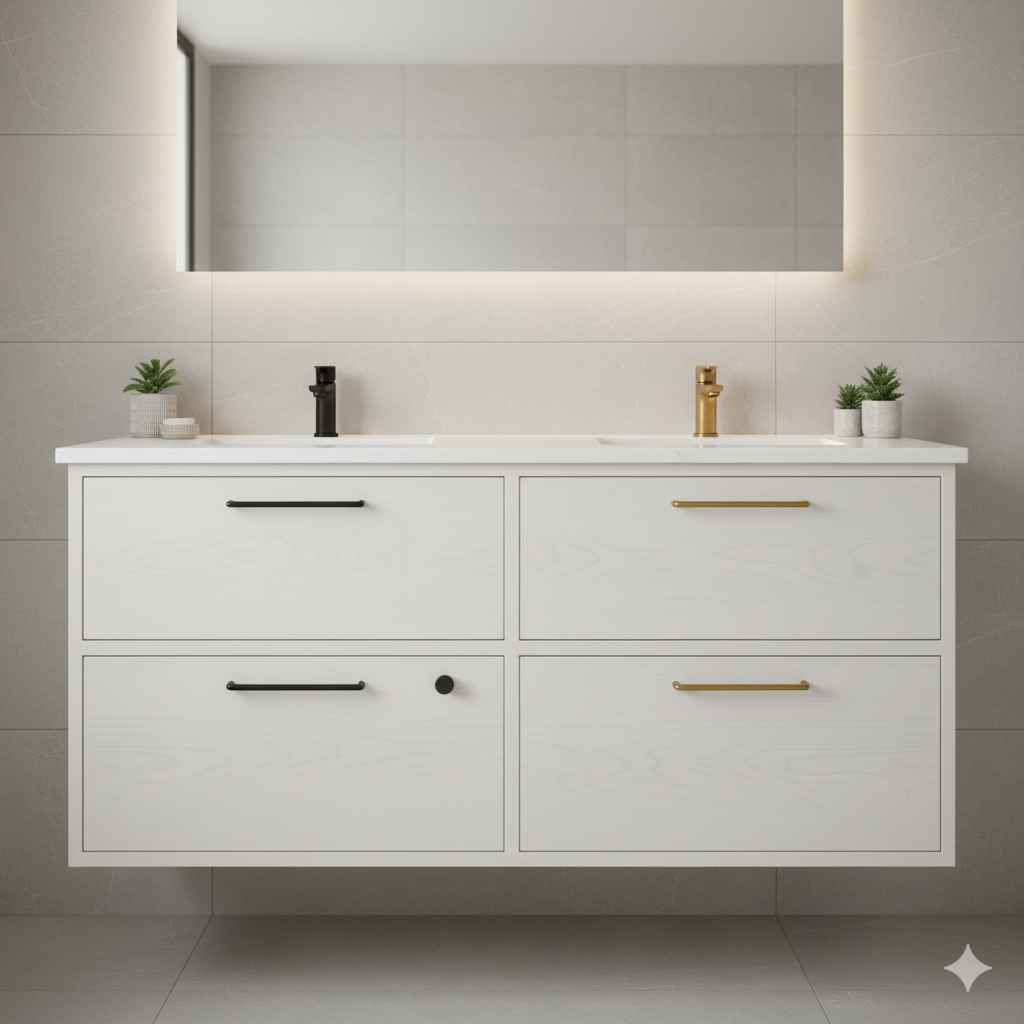
Selecting the right hardware and complementary finishes for a white oak vanity is where you truly define the bathroom’s personality. The beauty of white oak is its neutral canvas, allowing it to harmonize with a wide range of metals and materials. I’ve found that carefully chosen hardware acts like jewelry, enhancing the wood without overpowering its natural charm. This is where you can infuse your personal style and tie the vanity into the broader design scheme of the bathroom.
Matte black hardware, for example, creates a striking contemporary contrast against the light tones of white oak. The crisp, clean lines of a black handle or faucet pop, providing a sophisticated edge that is both modern and enduring. On the other hand, brass accents, whether polished or brushed, introduce warmth and a touch of classic elegance. It’s about balancing the cool and the warm, the sleek and the organic. Don’t be afraid to experiment with different samples against your chosen vanity until you find the perfect match.
Crafting Cohesive Looks: Countertops, Tiles & Paint for White Oak
Beyond hardware, the choices you make for your countertop and wall tiles will dramatically impact how your white oak vanity is perceived. For a seamless, minimalist look, I often recommend solid white or light gray quartz countertops. They allow the white oak to remain the focal point while providing a durable, low-maintenance surface. If you’re aiming for something with more visual interest, a natural stone like honed Carrara marble with its soft veining can add a touch of luxury, though it requires a bit more maintenance.
As for tiles, large format porcelain tiles in neutral tones often complement white oak beautifully, creating a serene backdrop. For a bit of texture or a geometric flair, consider zellige tiles or a simple subway tile in a contrasting grout. The goal is to build a cohesive environment where the white oak vanity feels perfectly integrated, not just placed. Remember, every element in the bathroom works together to create the overall mood, and white oak is wonderfully adaptable to almost any vision.
White Oak Vanities for Small Bathrooms: Maximizing Light & Space
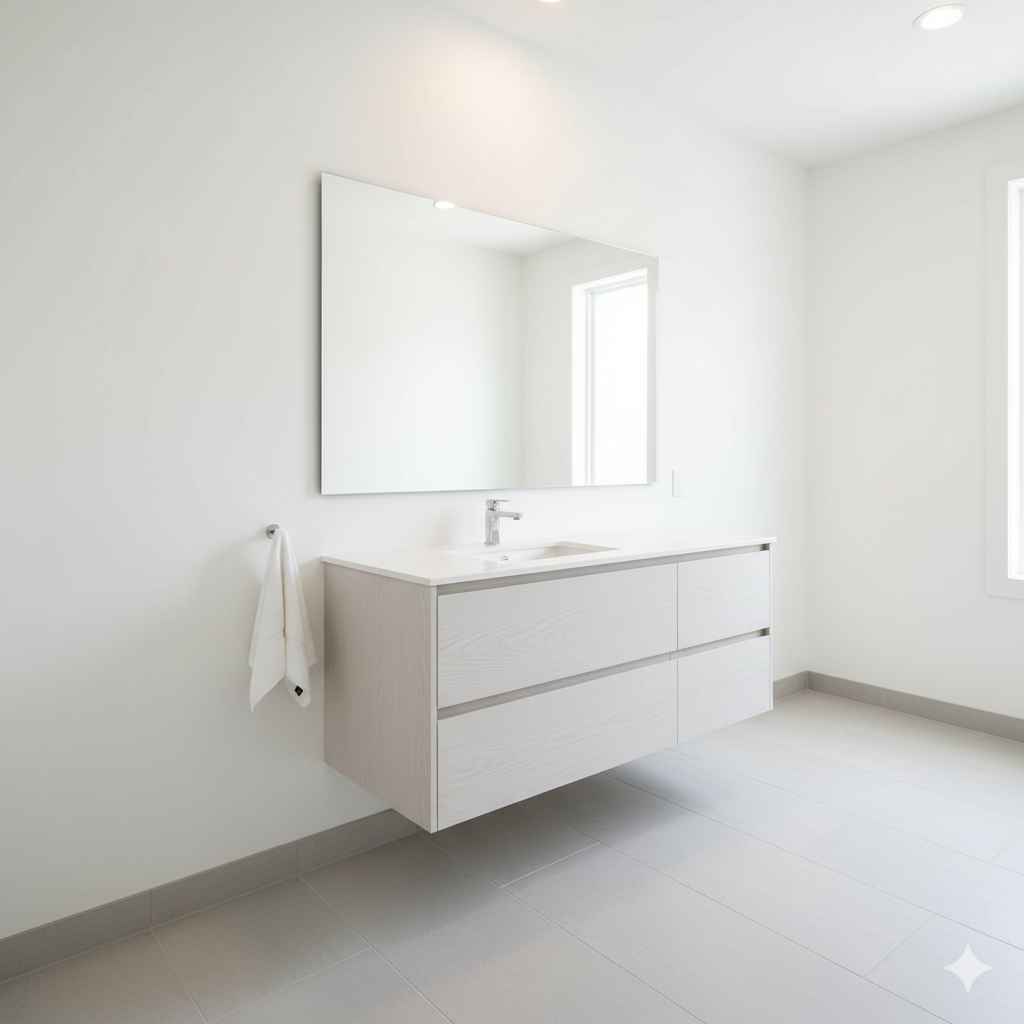
In smaller bathrooms or powder rooms, selecting materials that help visually expand the space is paramount. This is where white oak truly shines. Its naturally light hue, often ranging from a creamy off-white to a soft beige, reflects natural and artificial light beautifully, making a compact room feel larger and more open than it actually is. Darker woods, while elegant, can sometimes absorb light and make a small space feel cramped. White oak offers that perfect balance of warmth and brightness, preventing a sterile, all-white look without sacrificing the feeling of spaciousness.
I’ve used white oak in countless small bathroom renovations, and the results are consistently impressive. It introduces a touch of organic texture that adds depth and interest, preventing the room from feeling flat or sterile. The wood’s fine grain and lighter tone contribute to an airy aesthetic, which is exactly what you want when square footage is at a premium. It’s a material that doesn’t just blend in; it actively works to enhance the perception of space and light, making it an ideal choice for any smaller footprint.
Smart Design Strategies for Small Bathrooms with White Oak
To truly leverage white oak’s brightening capabilities in a small bathroom, consider a few design strategies. First, a floating white oak vanity, as we discussed, instantly frees up floor space, creating the illusion of more room. Second, pair it with a large mirror, ideally one that extends close to the width of the vanity. Mirrors are masters of reflection, bouncing light around and making a room feel twice its size. Third, integrate ample, well-placed lighting – think a combination of overhead recessed lights and sconces flanking the mirror – to ensure the white oak’s light tones are fully illuminated.
For paint colors, stick with light, airy hues on the walls and ceiling that complement the vanity. Soft whites, light grays, or even a very pale sage green can work wonderfully, creating a cohesive and expansive feel. I often tell homeowners that in smaller spaces, consistency and deliberate choices are key. Every element, from the white oak vanity to the wall color to the lighting, should be working in harmony to create an inviting, open environment, and white oak is a fantastic cornerstone for this approach.
Sustainability & Durability: Why White Oak is a Smart Bathroom Vanity Choice
Beyond its undeniable aesthetic appeal, white oak stands out as a responsible and remarkably durable choice for bathroom vanities. In an era where homeowners are increasingly conscious of their environmental footprint, opting for sustainably sourced materials is a significant factor. White oak is an abundant hardwood in North America, and many manufacturers are committed to responsible forestry practices, often offering Forest Stewardship Council (FSC) certified products. This means you can choose a beautiful vanity knowing it comes from responsibly managed forests, contributing to ecological health.
From a durability standpoint, white oak is renowned for its strength and resilience. It’s a dense wood, known for its excellent resistance to dents and scratches, which is a huge benefit in a busy bathroom. Perhaps even more importantly for this particular application, white oak possesses a closed cellular structure, containing natural tannins that make it inherently more resistant to moisture and decay compared to other hardwoods like red oak. This natural characteristic is why it has historically been used in boat building and outdoor applications. While no wood is completely impervious to water without proper sealing, white oak certainly has a head start in humid environments.
Essential Maintenance for Your White Oak Bathroom Vanity
Even with white oak’s natural moisture resistance, proper sealing is absolutely critical for a bathroom vanity. A high-quality finish acts as a barrier, protecting the wood from water splashes, steam, and everyday spills. I’ve seen firsthand how a well-sealed white oak vanity can look pristine for decades. If you’re getting a custom vanity or finishing one yourself, ensure a marine-grade varnish or a multi-coat polyurethane is applied. This creates a robust, water-resistant surface that stands up to the rigors of bathroom life.
For ongoing maintenance, simplicity is key. Avoid harsh chemical cleaners, which can strip the finish and dull the wood. A soft, damp cloth with a mild, pH-neutral cleaner is usually sufficient for daily wipe-downs. Immediately wipe up any standing water or spills to prevent water spots or damage. With just a little regular care, your white oak vanity will maintain its beauty and functionality for many years, proving itself to be a truly sustainable and long-lasting investment in your home.
Ready to transform your bathroom with the lasting elegance of white oak? Explore design possibilities and find the perfect white oak vanity for your home!
Is white oak good for a bathroom vanity?
Yes, white oak is an excellent choice for a bathroom vanity due to its inherent strength, distinctive grain, and natural resistance to moisture. Its dense, closed-grain structure makes it more durable and less prone to water absorption than many other wood species, provided it is properly sealed with a high-quality finish.
This resilience, combined with its versatile aesthetic, ensures a white oak vanity can withstand the humid bathroom environment while maintaining its beauty for many years.
How do you seal a white oak vanity for a bathroom?
Sealing a white oak vanity effectively requires a durable, water-resistant finish. For commercial vanities, manufacturers typically use professional-grade polyurethanes or lacquers. If you’re finishing a custom piece, I recommend using a high-quality, clear, water-based polyurethane for a lighter look, or an oil-modified polyurethane for a slightly warmer tone.
Apply multiple thin coats, sanding lightly between each, to build up a robust protective layer. Ensure all surfaces, including the underside and edges, are thoroughly sealed to prevent moisture ingress.
Does white oak get yellow over time?
While all natural woods can undergo some degree of color change over time due to UV exposure, white oak generally maintains its lighter, cooler tones quite well. Some finishes, particularly oil-based ones, can impart a subtle amber hue initially, which might deepen slightly with age. However, a clear, non-yellowing polyurethane or lacquer finish applied by a reputable manufacturer is designed to protect the wood and minimize significant yellowing, preserving its natural beauty for the long term.
What’s the best way to clean a white oak vanity?
The best way to clean a white oak vanity is with a soft, damp cloth and a mild, pH-neutral cleaner. Avoid abrasive cleaners, harsh chemicals, or excessive water, as these can damage the finish or the wood itself. For daily cleaning, a simple wipe-down with a damp cloth is usually enough. Always dry the surface immediately after cleaning to prevent water spots or moisture accumulation, especially around the sink area. Regular, gentle cleaning will help maintain the vanity’s appearance and extend its lifespan.
When you choose a white oak bathroom vanity, you’re not just picking a piece of furniture; you’re investing in a material with proven resilience and enduring style. I’ve seen enough renovations to tell you that these vanities really hold up, adding value and beauty that lasts. Just remember, the right finish and a little thoughtful care are crucial for keeping that natural beauty pristine in a hardworking bathroom.