





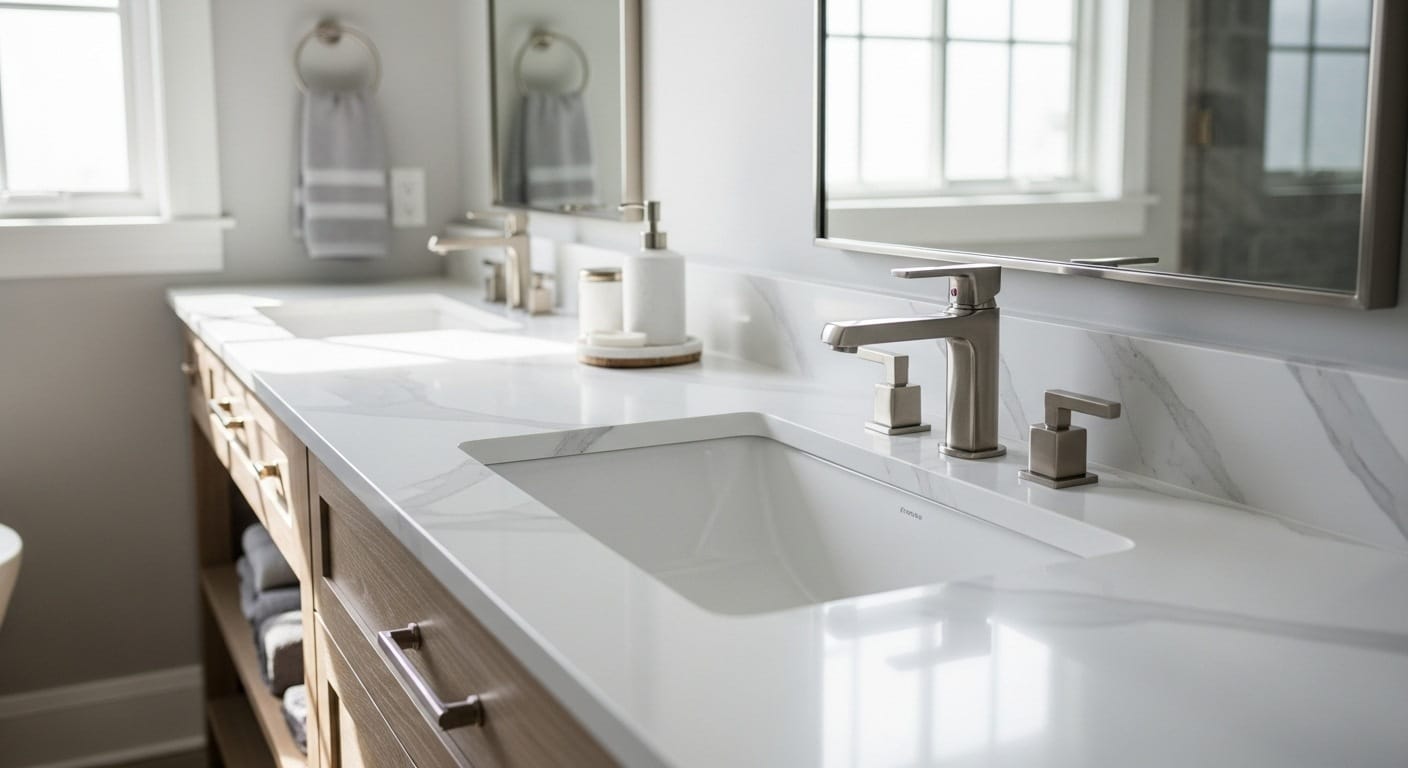

Cultured marble vanity tops are engineered surfaces crafted from crushed natural marble dust and polyester resin, offering a budget-friendly alternative to natural stone that lasts 15 to 20 years with proper care. While their seamless integrated sinks and non-porous gel coats make maintenance incredibly easy, they remain vulnerable to surface scratches and heat damage from hair tools.
- What Exactly Is Cultured Marble?
- Why Choose Cultured Marble Vanity Tops for Your Bathroom?
- The Practical Realities: Disadvantages of Cultured Marble Vanity Tops
- Cultured Marble vs. Natural Stone for Your Bathroom
- Installation & Care for Your Cultured Marble Vanity Top
- Conclusion: Making the Right Call for Your Bathroom
As a contractor with years of experience, I’ve installed countless cultured marble vanity tops in bathrooms across many homes. While they’re a popular and often excellent choice, it’s crucial to understand their unique properties, both good and bad. My goal is to provide you with an honest, insider’s look at the pros and cons of cultured marble, ensuring you make an informed decision you’ll be happy with for years to come.
What Exactly Is Cultured Marble?
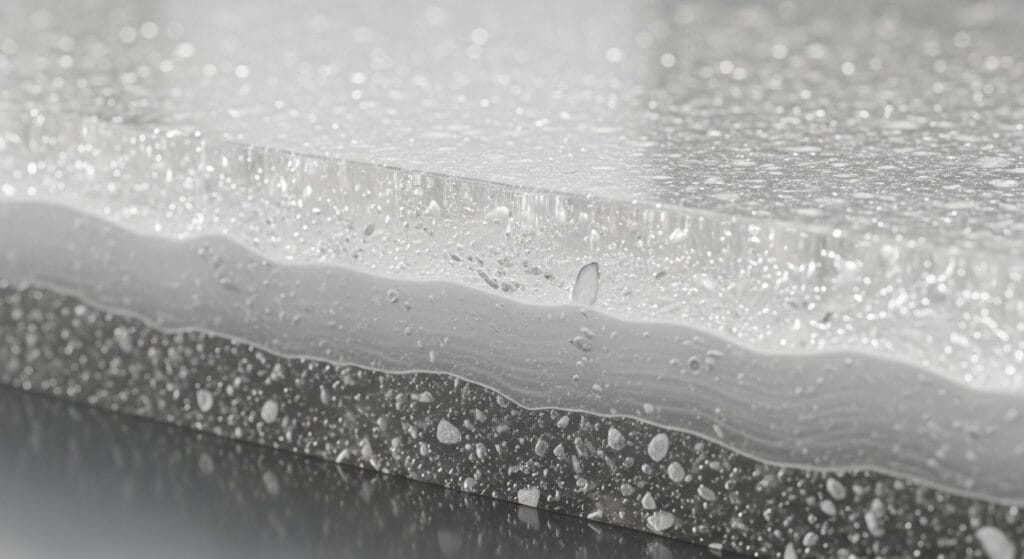
First things first, let’s clear up some common confusion. When people refer to ‘cultured marble,’ they are not talking about a slab extracted directly from a quarry. It’s an engineered material, skillfully created from a blend of crushed natural marble dust and polyester resin. Color pigments are frequently added to this mixture.
This composite is then carefully cast into molds and coated with a clear, protective layer known as a gel coat. That gel coat is incredibly important; it provides the glossy finish and seals the surface, making it distinctive.
Think of it this way: cultured marble is designed to emulate the sophisticated appearance of natural stone, such as marble, granite, or onyx. However, it possesses different properties, which can sometimes be more advantageous for certain applications, and sometimes not.
I’ve often seen homeowners surprised to learn it’s not ‘real’ marble in the traditional sense. This distinction doesn’t diminish its value, but rather highlights it as a different, viable choice for bathroom vanity tops.
Why Choose Cultured Marble Vanity Tops for Your Bathroom?
So, why do so many homeowners select cultured marble vanity tops for their bathrooms? From my professional viewpoint, having worked with these materials daily, the appeal boils down to several strong advantages that resonate with both practical needs and budgets.
Cost-Effectiveness is almost always at the top of the list. Generally, cultured marble comes in at a lower price point compared to natural stone options like granite or quarried marble. For homeowners working with a tight budget, or those undertaking renovations in multiple bathrooms, this can be a significant financial advantage without sacrificing aesthetic appeal.
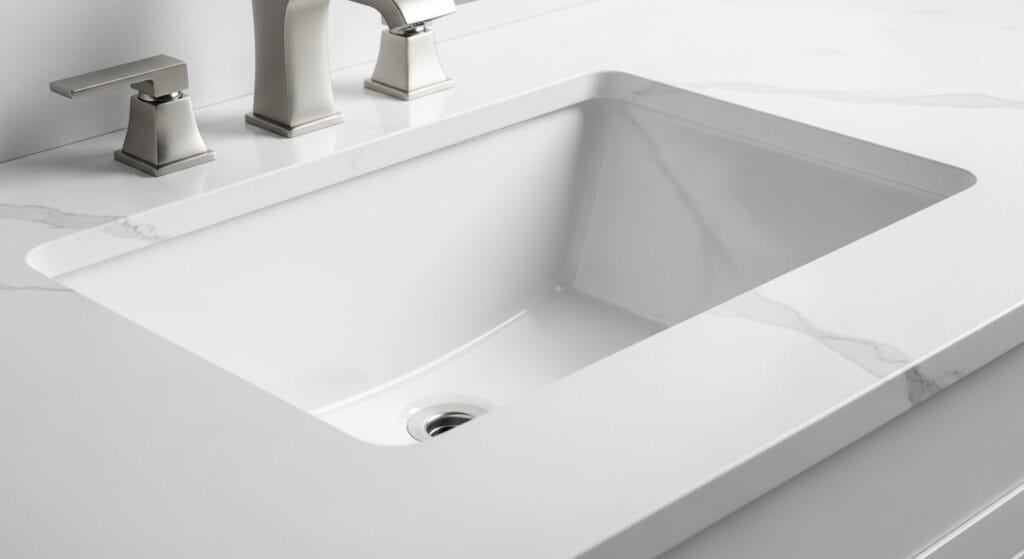
A huge selling point is the seamless integration of the sink. With most cultured marble vanity tops, the sink basin is molded directly into the countertop. This eliminates unsightly seams and caulk lines around the sink bowl, which are notorious for collecting grime and developing mildew.
It results in a very clean, streamlined look, and from a cleaning perspective, it’s exceptionally convenient. Countless clients have expressed how much they appreciate not having that extra crevice to clean.
Durability and low maintenance are also major draws. That protective gel coat makes cultured marble non-porous, meaning it naturally resists stains, mildew, and bacteria growth. Unlike natural stone, it does not require annual sealing. A simple wipe-down with mild soap and water is usually all it takes to keep it looking pristine. This ease of care is particularly appealing to busy families.
Finally, the design versatility is truly impressive. Because it is an engineered material, manufacturers can produce cultured marble vanity tops in a vast array of colors, patterns, and custom sizes. You can achieve looks that mimic everything from classic Carrara marble to solid white or black, and custom dimensions are often more readily available and affordable than with natural stone slabs.
The Practical Realities: Disadvantages of Cultured Marble Vanity Tops
Now, let’s get to the less glamorous side. No material is perfect, and cultured marble has its specific downsides that you, as a homeowner, must be aware of before making a commitment. This is where my on-site experience proves invaluable, helping clients avoid common regrets.
The biggest issue I frequently encounter is its vulnerability to scratches and chips. While that gel coat provides excellent stain resistance, it can scratch more easily than natural stone or quartz. A dropped curling iron, the abrasive action of a gritty cleaning scrub, or even a heavy ceramic planter dragged across the surface can leave a permanent mark. Once that gel coat is compromised, the underlying material is exposed and becomes susceptible to absorbing stains.
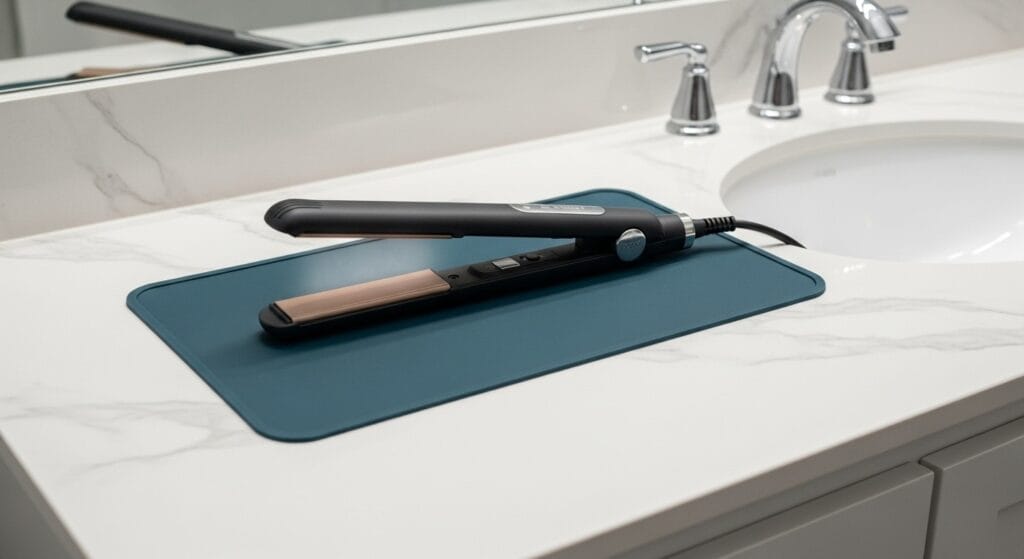
Heat damage is another significant concern for cultured marble vanity tops. Hot hair tools, such as a flat iron or curling iron left directly on the surface, can scorch the gel coat, resulting in a permanent yellowed or discolored mark. It is absolutely essential to always use a protective pad or mat. I have unfortunately had to replace entire vanity tops due to one misplaced hot tool.
Repairing significant damage can also be quite tricky. While minor surface scratches can sometimes be buffed out by a professional, a deep chip that penetrates through the gel coat is much harder to fix invisibly. Such damage often requires a color-matched filler, and while functional, the repair might still be visible, especially on darker or intricately patterned surfaces.
And finally, there’s the aesthetic argument. While cultured marble can beautifully mimic natural stone, it may sometimes lack the unique depth, intricate veining, and organic feel of real marble. Some individuals might perceive it as looking a bit ‘plastic-y’ or less luxurious. This is a subjective point, but it’s worth considering if a truly high-end, natural look is a top priority for your bathroom renovation.
Does Cultured Marble Look Cheap?
This is a very common question, and my honest answer is: it depends heavily on the quality and the installation. Lower-grade cultured marble, with obvious repeating patterns or a very thin gel coat, can indeed appear less refined. However, many modern cultured marble vanity tops are exceptionally well-made, featuring subtle veining and a thick, durable gel coat that can genuinely pass for natural stone to an untrained eye. The key is to choose a reputable manufacturer and always inspect samples in person, not just online.
Cultured Marble vs. Natural Stone for Your Bathroom
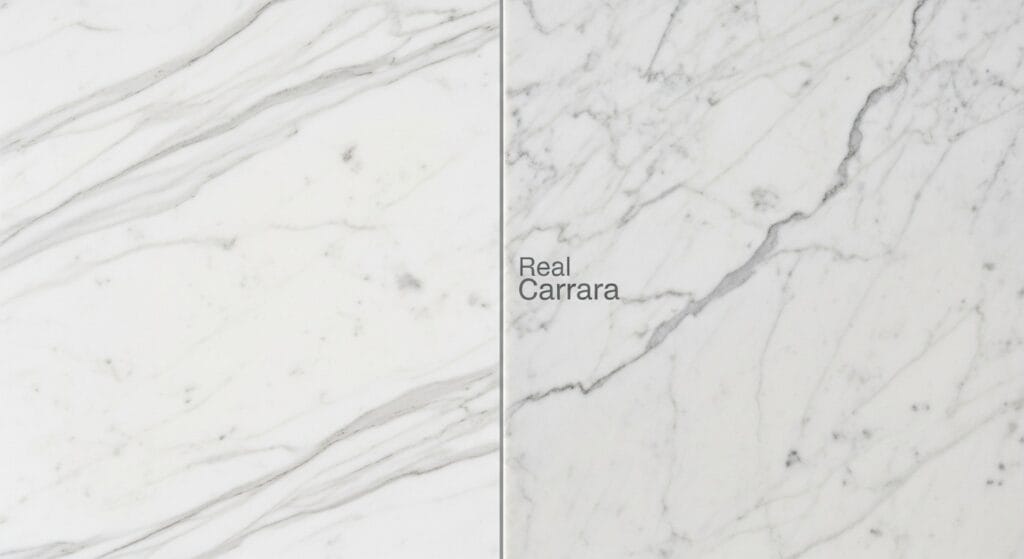
This is the classic dilemma most homeowners face when choosing a bathroom vanity top. You have premium options like granite, quartz, and real marble on one side, and cultured marble on the other. Each material has its rightful place, and the ‘best’ choice invariably depends on your specific needs, budget, and lifestyle.
Maintenance: For sheer ease of care, cultured marble is often the clear winner. There’s no sealing required, and less worry about etching from acidic cleaners. Natural stone, particularly marble, demands more diligent care and routine sealing. Quartz, being engineered and non-porous, is also a low-maintenance option.
Cost: Cultured marble vanity tops are generally the most budget-friendly option, especially when you factor in the integrated sink. Natural stone and quartz will typically represent a step up in price, sometimes significantly, depending on the specific slab choice and fabrication complexity.
Appearance: Natural stone offers unparalleled uniqueness and depth; no two slabs are ever identical. Cultured marble, while offering a wide variety, can sometimes exhibit a more uniform or repeating pattern. High-quality quartz also provides a consistent, engineered beauty.
Durability: This is where the comparison becomes nuanced. Natural stone and quartz are generally more resistant to scratching and heat than the gel coat found on cultured marble. However, natural stone can be more prone to staining and etching if not properly sealed and meticulously cared for. Cultured marble, with its non-porous surface, excels at resisting stains.
Resale Value: In higher-end homes, natural stone or quartz countertops are often regarded as premium features and can positively impact resale value more than cultured marble. However, in mid-range homes, a well-maintained cultured marble top is perfectly acceptable and aesthetically attractive.
For a secondary bathroom, a child’s bathroom, or a powder room where budget and ease of cleaning are paramount, cultured marble is an excellent, practical solution. For a luxurious master bathroom where you desire a high-end statement piece, you might lean towards natural stone or premium quartz, assuming you’re prepared for the associated cost and maintenance.
Installation & Care for Your Cultured Marble Vanity Top
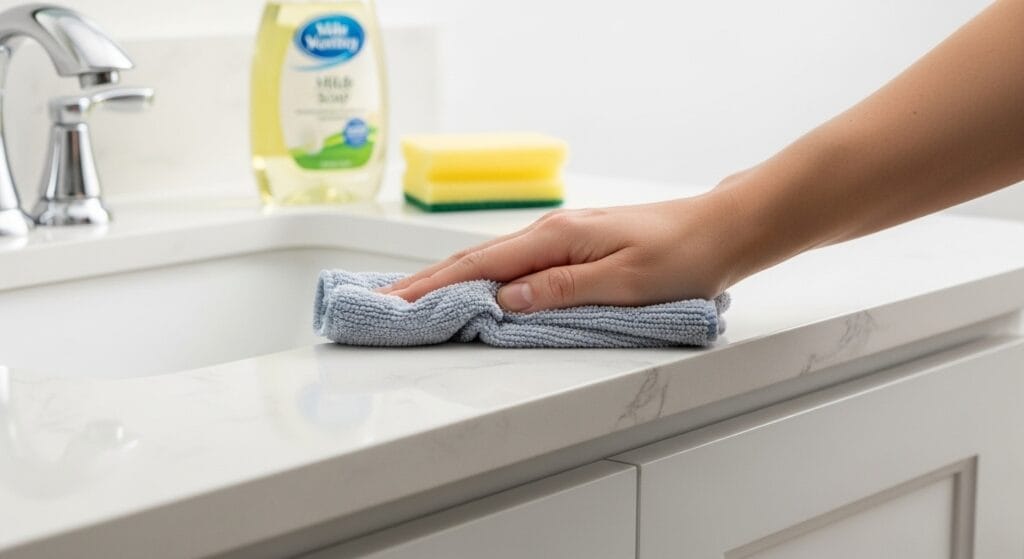
Once you’ve made your decision, understanding a few key points about installation and ongoing care will significantly impact the longevity and appearance of your cultured marble vanity top.
Installation: Most cultured marble tops, especially those with integrated sinks, are relatively straightforward to install. They are typically lighter than a full slab of natural stone. However, proper leveling of the vanity cabinet is absolutely crucial to ensure the countertop sits perfectly flat and prevents undue stress on the material. You’ll also need to ensure a robust, watertight seal around the edges where the top meets the wall, usually achieved with a high-quality silicone caulk. This prevents water from seeping behind the vanity and causing potential issues down the line. Do not skimp on the caulk; it’s your primary defense against moisture damage.
Cleaning: This is where cultured marble truly shines. For daily cleaning, simply use a soft cloth or sponge with a mild, non-abrasive cleaner. Basic dish soap and water are often sufficient. Avoid anything harsh:
abrasive scrubbers, steel wool, or strong chemical cleaners (such as those containing acetone, ammonia, or abrasive powders), as these can dull or permanently damage the delicate gel coat. On a recent project, a client mistakenly used toilet bowl cleaner on her cultured marble top, which etched the finish completely. Always check the label of any cleaning product.
Protecting the Surface: As I previously mentioned, heat is a significant enemy for cultured marble vanity tops. Always use a hot pad or trivet under hot hair tools like flat irons or curling irons. For cosmetics, perfumes, or any items that could potentially scratch or spill, consider placing them on a decorative tray or mat. Prevention is always considerably easier than attempting to repair damage.
Minor Repairs: For very fine surface scratches, specialty cultured marble polishing kits are available. These kits often include a fine abrasive polish designed to help restore the gel coat’s original shine. However, for deeper scratches or chips that penetrate the gel coat, your best course of action is typically to contact the manufacturer or a professional repair specialist. Attempting a DIY fix on a significant chip can sometimes worsen the problem, so proceed with extreme caution.
Conclusion: Making the Right Call for Your Bathroom
Choosing the right vanity top is a significant decision in any bathroom renovation. Cultured marble vanity tops, with their blend of affordability, easy maintenance, and versatile aesthetics, present a compelling option for many homeowners. It’s crucial to understand that it is not natural stone, and to acknowledge that distinction, along with its specific vulnerabilities to scratches and heat.
My advice, after all these years in the business, is to carefully weigh these practical realities against your own budget, lifestyle, and design preferences. If you are seeking a good-looking, hardworking, and relatively hands-off surface, especially for a secondary bathroom or guest bath, cultured marble could be exactly what you need. Just approach the decision with open eyes and a commitment to sensible care, and you will likely be very happy with your choice for many years to come.