







Alright, it’s 9 PM. Long day. Real long. My back aches, my knees ache. But this thing needs to get written. Been thinking about it all day, actually, between wrestling with some plumbing and trying to convince a client that no, you can’t just paint over mold.
- So, What Are These Acrylic Shower Wall Panels, Exactly?
- Why Do People Even Think About Acrylic for Their Shower?
- The Good Stuff: Key Benefits of Acrylic Shower Panels
- Alright, But What Are the Downsides? Nothing’s Perfect.
- Design? They’ve Got More Options Than You’d Think.
- So, DIY or Call a Pro? Don’t Screw This Up.
- Cost. Yeah, Let’s Talk Money.
- Keeping It Clean: Maintaining Your Acrylic Shower for Years
- Acrylic vs. Tile: The Big Showdown. Which One Wins?
- So, Is Acrylic Right for Your Remodel?
- My Final Thought, If You’re Still Listening.
Anyway. Shower renovations. Always a can of worms, right? For years, years, it was just tile. Ceramic tile, porcelain tile. That was the game. But things change, materials evolve, thank God. And lately—I mean, in the last five, maybe ten years—I’ve seen a real spike in people asking about these acrylic shower wall panels. Like, a significant spike.
Twenty-five years on the tools, you see everything. I’ve laid more tile than I care to remember, messed with all sorts of crazy stuff. And acrylic? Yeah, it’s got some really compelling points, some serious advantages. But look, nothing’s perfect, right? There are always those crucial considerations.
This isn’t just about picking a color, you know? This decision, what you put in that shower, it affects how long your bathroom actually lasts. How much you hate cleaning it every single day. Or how much you don’t hate it. That’s the real kicker.
So, What Are These Acrylic Shower Wall Panels, Exactly?
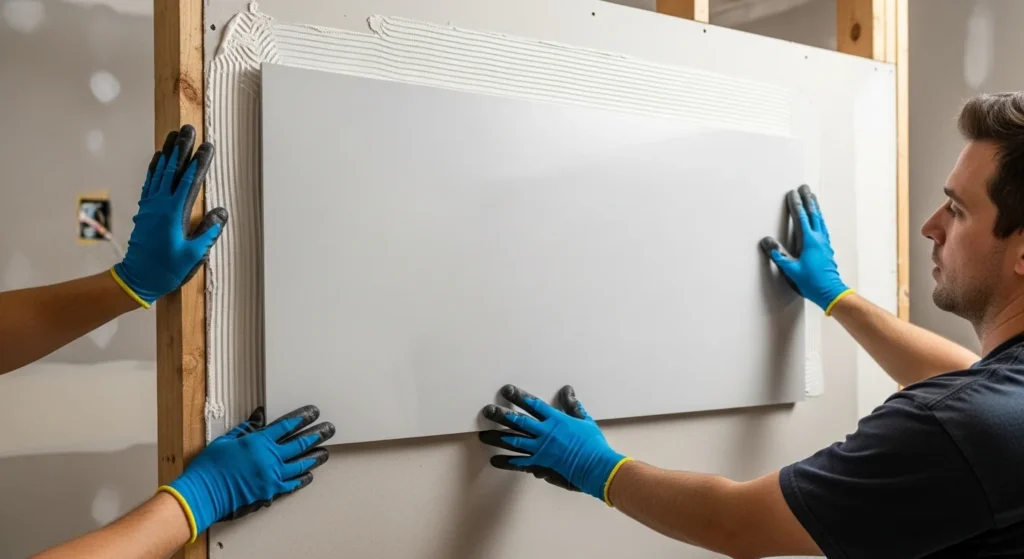
Okay, so picture this: instead of a bazillion little tiles, all stuck up with mortar and then filled with grout—acrylic panels are these big, pre-formed sheets. They’re mostly made of, well, acrylic plastic. Durable stuff, usually. They come in these continuous pieces, big sections that cover a huge chunk of your shower wall, sometimes even from floor to ceiling.
No seams everywhere. No lines. Just… smooth. You get them in different thicknesses, usually about a quarter-inch to three-eighths. Anything thinner than that, I get a bit nervous, honestly.
Most of what you see out there is solid acrylic, yeah. But some of them—the good ones, often—they’ve got an acrylic cap over an ABS composite. That’s just for rigidity, makes them sturdier, less likely to flex or buckle. And that’s key, man. The quality of that acrylic, how substantial the panel feels? That’s what’s gonna tell you if it’s going to last, if it’s going to stand up to daily abuse. Don’t cheap out on the panel material itself. Ever.
Look, there are a couple of main types of panels you’ll run into. To keep things simple, here’s how they generally stack up:
| Panel Type | What It Is | Michael’s Take |
|---|---|---|
| Solid Acrylic | Just acrylic all the way through. | Good for basic projects, watch thickness. |
| Acrylic over ABS Comp. | Acrylic layer fused to a rigid ABS core. | Sturdier, less flex, usually higher quality. |
My Take: Always ask if it’s got that ABS backing. It makes a real difference in how robust the whole thing feels.
Why Do People Even Think About Acrylic for Their Shower?
You know, most folks pick acrylic panels for reasons that are just… practical. Straight-up common sense. The number one thing I hear, always? “How fast can we get this done, Michael?” And acrylic, it’s quick. Way quicker than tiling. Seriously. No messy mortar, none of that tedious, back-breaking grout work. God, grout. I’ve got nightmares about grout lines.
That speed, that’s where you save. Less labor time means fewer hours on the clock for my crew, which cuts down on your bill, obviously. Or, if you’re doing it yourself—and we’ll talk about that in a minute—it just means your bathroom isn’t a construction zone for a week and a half. Plus, and this is a huge one, acrylic is non-porous.
Non-porous! You know what that means? No scrubbing grout until your fingers bleed. No mildew, no nasty stains soaking in. It’s just… wipe it clean. People are sick of scrubbing. I get it. It’s a modern solution, solves a lot of those everyday headaches.
Most homeowners come to me with a few common problems they want to solve. Here’s a quick look at why acrylic often hits the mark:
| Homeowner Problem | How Acrylic Helps |
|---|---|
| Slow/Messy Renos | Quick installation, less construction time. |
| Grout Cleaning Nightmares | Non-porous, no grout lines, easy to wipe clean. |
| Mildew/Mold Issues | Resists water absorption, less prone to growth. |
| Budget Constraints | Often more cost-effective than custom tile jobs. |
My Take: If any of those sound like your personal pain points, you’re definitely on the right track considering acrylic.
The Good Stuff: Key Benefits of Acrylic Shower Panels
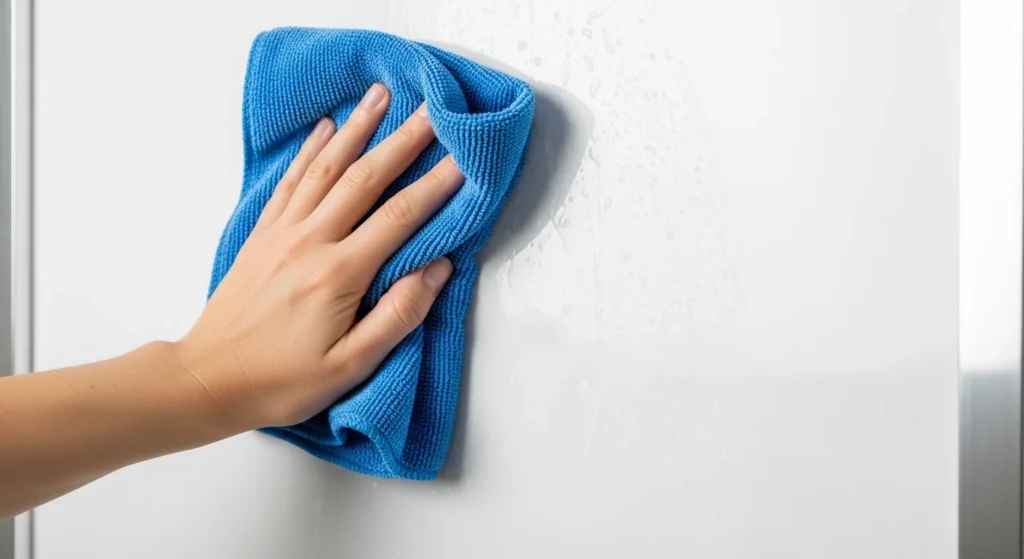
So, we’re talking advantages, right? Acrylic panels have some clear ones. Especially when you think about down the road, the whole maintenance thing. First up, they’re waterproof. Completely. Non-porous. That’s a big deal. No mildew, no staining, no water seeping into your walls.
Which, trust me, is a problem you really don’t want. Cleaning? Absolute breeze. Like I said, a quick wipe-down with some mild cleaner, maybe some dish soap and warm water. That’s it. You don’t need industrial-strength stuff or a wire brush.
And yeah, the rapid installation. That’s a massive plus, like I mentioned. My guys can usually get these up in a day, maybe two, depending on the shower’s size and complexity. Compared to a full tile job? That’s light speed. Less mess, less disruption in your home.
Some of these systems even come with built-in shelving, which, hey, can be handy. Just make sure it’s sturdy, I’ve seen some flimsy ones. And they’re tough, generally. Resistant to chipping, cracking, under normal, everyday use. Pretty robust. Can take a beating, within reason.
Alright, so to really hammer home the good points, let’s lay out the key benefits clearly:
| Benefit | What It Means For You |
|---|---|
| Waterproof and Non-Porous | No leaks, no mildew, no staining inside the walls. |
| Easy Cleaning | Wipe-down maintenance, no harsh chemicals needed. |
| Fast Installation | Less disruption, quicker use of your bathroom. |
| Durable | Resists chipping, cracking, everyday wear and tear. |
| Built-in Features (Optional) | Some systems offer integrated shelves, saving space. |
Pro-Tip: That ‘easy cleaning’ one is the gift that keeps on giving. Seriously, you’ll thank yourself later.
Alright, But What Are the Downsides? Nothing’s Perfect.

Now, let’s be straight here. Nobody likes to talk about the downsides, but an honest contractor has to. Acrylic ain’t perfect. First off, aesthetics. Look, some people, they just can’t get past the fact that it’s not natural stone. It’s not custom tile. It doesn’t have that handmade, bespoke feel, that depth of character. I get it. It’s a different look. More monolithic, sleek, sure. But maybe not for everyone.
Then there’s scratches. This is a big one. Sharp objects, rough cleaners—you use a scouring pad on this thing, you’re gonna mar the surface. And deep scratches? Man, those are a pain. Almost impossible to repair invisibly. You’d think, “Oh, just buff it out.” Nah. Not really. If you get serious damage, unlike a single chipped tile you can replace, with acrylic, you’re looking at tearing out and replacing an entire section. Which is a whole different ballgame, believe me.
And getting that perfectly seamless install? It’s harder than it looks. You can end up with tiny gaps, and those things, they really stand out once everything’s done. Little imperfections become magnified. Also, you gotta think about thermal expansion. Plastic expands and contracts with temperature changes, right? You ignore that, you’re asking for trouble down the line. It’s all about precision.
Now, I wouldn’t be an honest contractor if I didn’t tell you where these things fall short. Every material has its weak spots, and acrylic is no exception. Here’s what you need to be aware of:
| Downside | What to Watch Out For |
|---|---|
| Aesthetics | May lack the ‘natural’ feel or custom look of tile. |
| Scratch Susceptibility | Easy to scratch with sharp objects or abrasive cleaners. |
| Difficult Repairs | Deep scratches or damage often require full panel replacement. |
| Precision Installation Needed | Gaps can show, thermal expansion needs proper handling. |
My Take: That scratch thing is the big one. Treat your acrylic shower like you would a nice car finish – be gentle with cleaning.
Design? They’ve Got More Options Than You’d Think.
You know, for a long time, acrylic panels were kinda… boring. White, off-white, maybe beige. But things have changed. A lot. The design options now? They’ve really ramped it up. You can find all sorts of colors now, from those subtle grays and creams to some pretty bold tones. And they’re doing some incredible stuff mimicking natural stone. Marble, granite, with veining that actually looks half-decent. Almost fooled me once or twice from a distance. Almost.
They’ve even got textured finishes now. Subway tile patterns, herringbone, stuff like that. All the look, none of the grout. Which, again, is a massive win for maintenance. Trim pieces, too, to give it that really finished, custom look. You can definitely achieve a sophisticated design with these.
But here’s my number one piece of advice on aesthetics: GET PHYSICAL SAMPLES. Seriously. Don’t just look at pictures online. They never, ever look the same in person. Ever. Get a sample, put it in your bathroom, see it in your light. Trust me on this.
So, DIY or Call a Pro? Don’t Screw This Up.
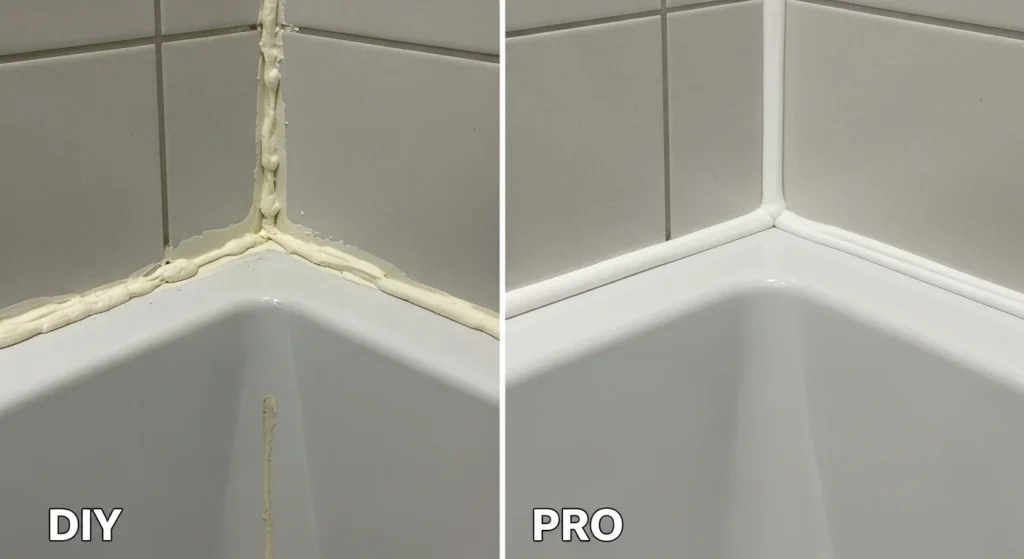
Okay, this is where I get a little… passionate. Look, can you install acrylic shower wall panels yourself? Yeah, sure. It can be a rewarding DIY project, if you’ve got the right skills. It’s about prepping the walls—making ’em clean, level, plumb, all that jazz—cutting the panels, and sticking ’em up with special adhesives. But here’s the absolute, non-negotiable, critical, paramount part: the silicone sealant. Every seam. Every edge. Perfectly applied. If you mess that up, you’re gonna have leaks. Guaranteed.
And this, right here, is where 99 percent of DIYers fall down. They rush the sealing. They don’t cut precisely. They don’t prep the walls properly. And then what happens? A year, two years down the line, I get a call: “Michael, my shower’s leaking.” And I come in, and it’s a moldy, wet mess.
Saving a few bucks on labor sounds great on paper, I know. But a professional, an experienced one, they’re gonna ensure that wall is prepped right, those cuts are dead-on, and that sealant job? Flawless. Watertight. Lasting. If your carpentry skills are, let’s say, “developing,” and your caulking looks like a third-grader did it? Just hire someone. Seriously. It’s an investment that pays for itself in not having to tear out your bathroom again.
Look, I know a lot of you out there like to tackle projects yourselves. I get it. But for something as critical as a shower, you really need to understand the difference between taking it on yourself and bringing in someone who does this every day. Here’s a quick breakdown:
| Aspect | DIY Approach (Potential) | Professional Install (Expected) |
|---|---|---|
| Wall Prep | Might overlook leveling/plumb issues. | Ensures perfectly flat, stable walls. |
| Panel Cutting | Risk of inaccurate cuts, wasted material. | Precise, clean cuts for tight fits. |
| Sealing (Crucial!) | Prone to rushed, imperfect caulk lines. | Flawless, watertight silicone application. |
| Time Commitment | Can drag on for days/weeks. | Completed efficiently, usually 1-2 days. |
| Warranty/Guarantees | None, if you mess up. | Often includes labor guarantee. |
Pro-Tip: Seriously, the sealant is where most DIYers fail. If you’re not confident in making perfect, continuous caulk beads, call someone who is. It’s not worth the future headache of a leak.
Cost. Yeah, Let’s Talk Money.
Right, money. Always the big question. How much does this stuff cost? It varies, of course. Brand, thickness, the design you pick—all that factors in. But for a standard three-wall shower setup, you’re usually looking at somewhere between, oh, 300 bucks on the low end for basic stuff, up to maybe 2,000 for the really high-end, fancy systems.
Now, that’s often a lot more budget-friendly than custom tile. Especially when you factor in the labor. Tile work, proper tile work, takes time. Skilled time. So, with acrylic, you’re usually saving a chunk there. Professional installation? Yeah, that’s gonna add another 500 to 1,500 bucks, give or take. Depends on how complex the job is, what your local rates are. Look, always get detailed quotes. Not just a ballpark. Get it in writing: materials, labor, everything. No surprises. That’s how we roll.
Alright, let’s talk brass tacks. Money. This isn’t exact, because every job is different, but this should give you a rough idea of what to expect when you’re looking at acrylic shower panels compared to tile, especially when factoring in labor.
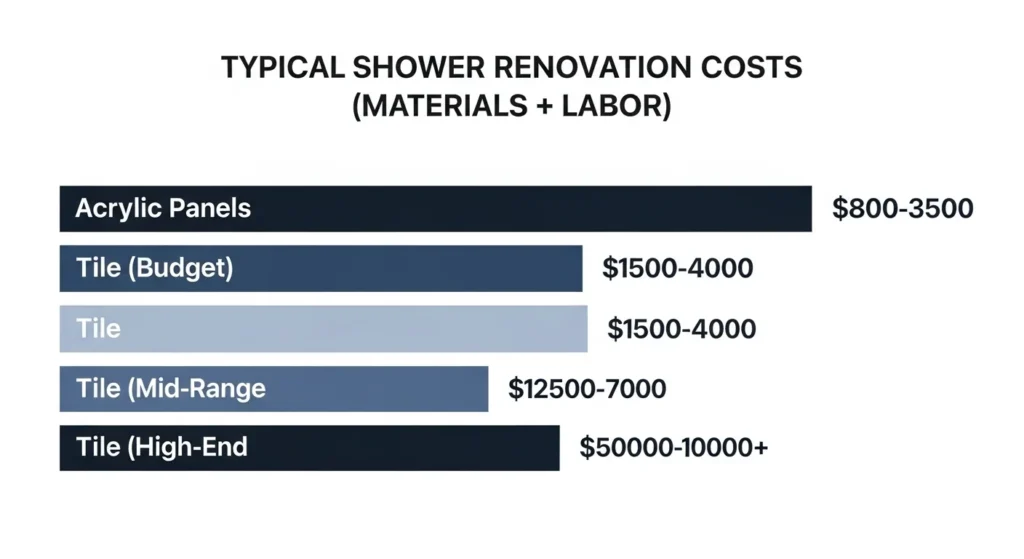
My Take: As you can see, acrylic usually keeps that upfront cost significantly lower, mostly thanks to that reduced labor time. Don’t forget that’s a big part of the overall bill.
Keeping It Clean: Maintaining Your Acrylic Shower for Years
Okay, so you’ve got these panels installed. They’re low maintenance, yeah. But “low” doesn’t mean “no” maintenance. You still gotta pay attention. Rule number one: no abrasive cleaners. No scouring pads. No harsh chemicals like ammonia or bleach. Those things will scratch, they will dull the surface. And like I said, scratches are a nightmare. Stick to mild stuff. Dish soap and warm water, soft cloth. That’s your best friend.
Regular cleaning, that’s the key to preventing soap scum buildup, hard water spots. And my absolute best, tried-and-true tip? The one I tell every single client? After every shower, just wipe down the walls. Takes literally thirty seconds. A squeegee, a microfiber cloth, whatever. Just get the water off. That simple habit, it’ll add years to how good your shower looks. Trust me. Years.
So, you want to keep that shiny new shower looking good for a long time, right? It’s simple, but you gotta know the rules. Here’s my ‘dos and don’ts’ for acrylic care:
| Do This! | Avoid This! |
|---|---|
| Use mild soap and water. | Abrasive cleaners (powders, scrubbers). |
| Use a soft cloth/sponge. | Scouring pads, wire brushes. |
| Squeegee after each use. | Harsh chemicals (bleach, ammonia). |
| Clean regularly (weekly). | Letting soap scum build up. |
Pro-Tip: Seriously, that squeegee habit? It’s the cheapest, easiest maintenance you’ll ever do. It prevents 90 percent of future headaches.
Acrylic vs. Tile: The Big Showdown. Which One Wins?
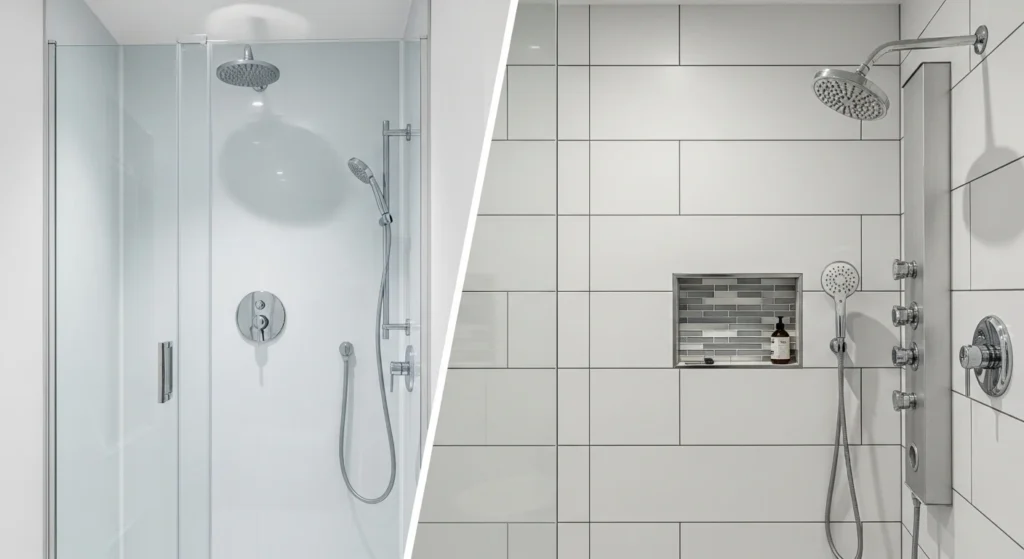
This is the question I get asked most. Every time. “Should I get acrylic or just stick with tile, Michael?” Alright, let’s break it down, head-to-head. Practical stuff, you know?
Installation
Tile: Oh, man. Labor-intensive doesn’t even begin to cover it. Precise measuring, cutting, setting each tile, mortar, grout—it’s an art, but it’s a slow art. We’re talking days. Often a week or more for a really good job. Then dry times. You can’t just jump in right away.
Acrylic: Way, way quicker. One or two days, usually. Less mess, definitely. It’s adhesives, it’s silicone. But don’t let “quicker” fool you into thinking it’s easy or less important to be precise. Detail is still king for waterproofing. Always.
Maintenance
Tile: Grout lines. They’re porous. They suck up dirt, soap scum, mildew. You have to scrub ’em, you have to seal ’em regularly, or they’re just gonna look nasty. Forever.
Acrylic: Non-porous. No grout lines. That means cleaning is stupid easy. Mild cleaners, a wipe. Resists mildew, resists water damage. Huge win here. Huge.
Durability and Cost
Tile: Individual tiles can crack, they can chip. Materials costs are all over the map, cheap stuff to crazy expensive. But the labor, man, that’s almost always a big chunk of change for a proper install.
Acrylic: Pretty resistant to chipping, yeah. But remember, susceptible to scratching. Material and labor? Generally lower overall cost, because it’s so much faster to install. So you save upfront.
Aesthetics
Tile: This is where tile still reigns supreme, if we’re being honest. Endless patterns, colors, textures. You want something truly custom, something unique? Tile is your canvas. No question.
Acrylic: It’s come a long, long way. A lot more options now, mimicking natural materials, giving you that sleek, modern, monolithic vibe with fewer seams. But it’s still… mimicking. It’s not the real thing. It’s broader now, but the sheer, limitless design choice of custom tile? Nah. Not yet.
Alright, after all that talk, let’s boil it down to a quick ‘who wins’ in each category, based on what you value. This is how I sum it up for my clients:
| Feature | Acrylic Panel Advantage | Tile Advantage |
|---|---|---|
| Installation Speed | Significantly faster, less mess. | More custom, but much slower and complex. |
| Maintenance | Very easy, no grout scrubbing, non-porous. | Grout lines need constant cleaning/sealing. |
| Durability (Impact) | Resists chipping/cracking well. | Individual tiles can chip/crack. |
| Durability (Scratch) | Susceptible to scratching. | Generally more scratch-resistant. |
| Cost | Generally lower overall (materials + labor). | Higher overall due to labor intensity. |
| Aesthetics | Modern, sleek, good faux-stone options. | Limitless design, authentic natural feel. |
My Take: If low maintenance and a quicker, more budget-friendly install are your top priorities, acrylic is tough to beat. If you crave truly bespoke design, tile still holds the crown, but be ready for the upkeep and the bill.
So, in my experience, if you’re looking for something that’s easy to clean, quick to get in there, and doesn’t break the bank? Acrylic often takes the cake. But if you’ve got a specific vision, a truly high-end, intricate design in mind, something that screams luxury? Then, yeah. You’re probably going to stick with tile. It’s just the truth.
So, Is Acrylic Right for Your Remodel?
Look, deciding on acrylic panels for your shower, it all comes down to what you prioritize. What’s most important to you? If you want something that’s cost-effective, goes up fast, and is an absolute dream to clean, then acrylic is a damn strong contender. It’ll stand up to daily use, it’s waterproof. Solid everyday durability.
But—and this is a big “but”—if your dream bathroom needs that super intricate custom design, the actual feel of real natural stone, or that truly luxurious, one-of-a-kind aesthetic, then acrylic? It might feel a bit limiting. You gotta weigh your long-term cleaning preferences against your budget, against your dream look. Honestly, there’s no “best” material out there. Only what’s best for your project. Your family. Your wallet.
Get some samples. See ’em. Touch ’em. Understand what goes into installing the thing. Really weigh out the pros and cons against what you want to achieve. Don’t just rush into it. That’s how people get disappointed.
My Final Thought, If You’re Still Listening.
So yeah, acrylic shower wall panels. They’re a solid option for a lot of people doing a bathroom reno. Modern, practical, definitely easier to clean than grout. Especially if you’re like most homeowners these days, wanting something quick and not wanting to spend every Saturday scrubbing.
Making an informed choice, that’s key. Really dig into the details, the good and the bad. This “seasoned perspective,” my twenty-five years of grime and glory, hopefully, gives you a clearer picture. Don’t just take my word for it, though. Get those samples.
Talk to a few experienced pros—and I mean experienced. Get some real opinions. That’s how you make sure you get the best outcome. And hey, if you’ve got questions, or even your own war stories, drop ’em in the comments. We all learn from each other out here. Now, if you’ll excuse me, I’m going to get a beer. Good night.
Hello mybluebath.com Owner!