





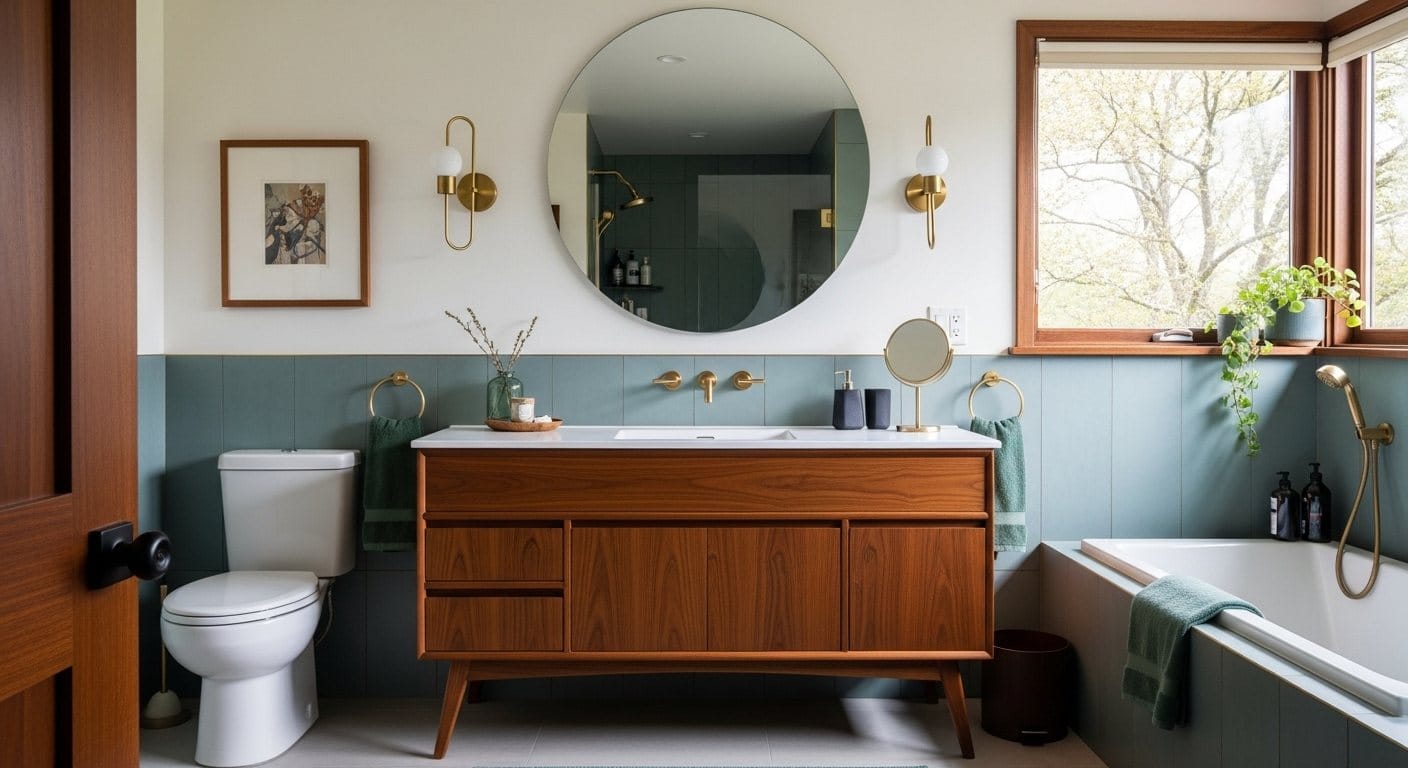

Stepping into a bathroom with a mid century modern vanity just feels right, doesn’t it? It’s a style that has genuinely stood the test of time, and for good reason. As someone who’s spent decades on renovation sites, I’ve seen countless trends come and go, but the clean lines, warm woods, and functional elegance of mid century modern (MCM) truly endure.
- Defining Style: Key Features of a Mid Century Modern Bathroom Vanity
- Wood Tones for Your Mid Century Modern Vanity: Durability & Style
- Sleek Aesthetics: Incorporating Clean Lines and Minimalist Hardware
- Blending Old and New: Pairing Mid Century Vanities with Modern Fixtures
- Sourcing Your Mid Century Modern Vanity: New Reproductions vs. Vintage Finds
Homeowners often ask me about integrating this look into their bathrooms, particularly when they’re ready to make a significant investment in a new vanity. It’s not just about aesthetics; it’s about choosing a piece that’s well-built, durable, and will serve you for years to come. This isn’t a fleeting fad; it’s a commitment to a timeless design philosophy.
When you’re looking to purchase a mid century modern bathroom vanity (MCM vanity), you’re not just buying a piece of furniture; you’re investing in a particular era’s approach to design – one that prioritizes form following function, natural materials, and sophisticated simplicity. It’s about creating a space that feels both inviting and refreshingly uncluttered.
My goal here is to give you an honest, practical guide from a contractor’s perspective, helping you navigate the choices and find a mid century modern bathroom vanity that not only looks fantastic but also stands up to the daily demands of a busy household. We’ll cover everything from materials and hardware to sourcing and integration, ensuring you make a smart decision for your renovation project.
Defining Style: Key Features of a Mid Century Modern Bathroom Vanity
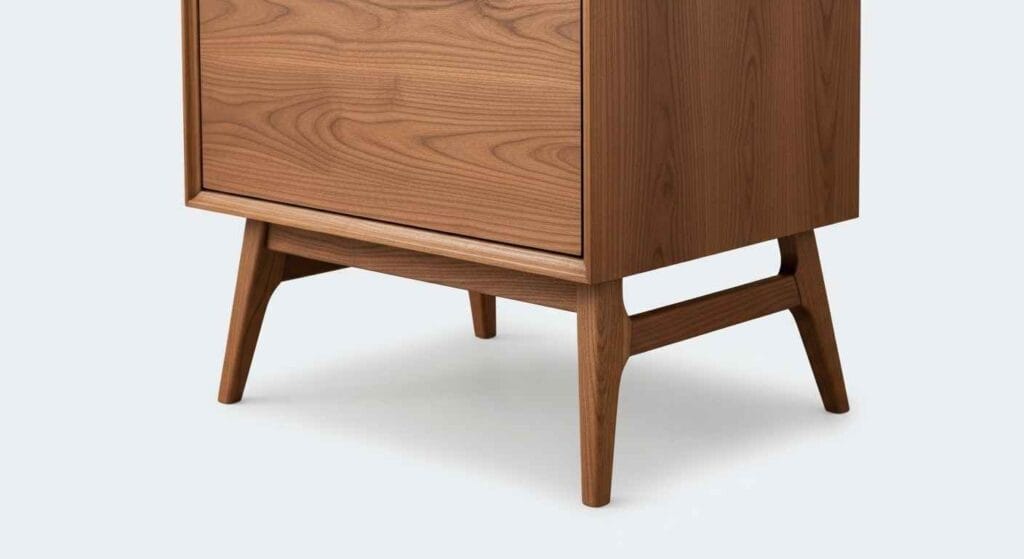
So, what exactly makes a bathroom vanity “mid century modern“? It’s more than just a vintage tag; it’s a specific set of design principles rooted in the post-World War II era, roughly from the 1940s to the 1960s.
In my experience, the defining characteristics of a true MCM vanity are its clean, unadorned lines, often with a rectangular or rectilinear shape, avoiding excessive ornamentation. You’ll notice a focus on negative space and a light, airy feel, which is frequently achieved through splayed or tapered legs that lift the vanity off the floor. This isn’t just for looks; it makes the room feel larger and more open, which is a significant benefit in smaller bathrooms.
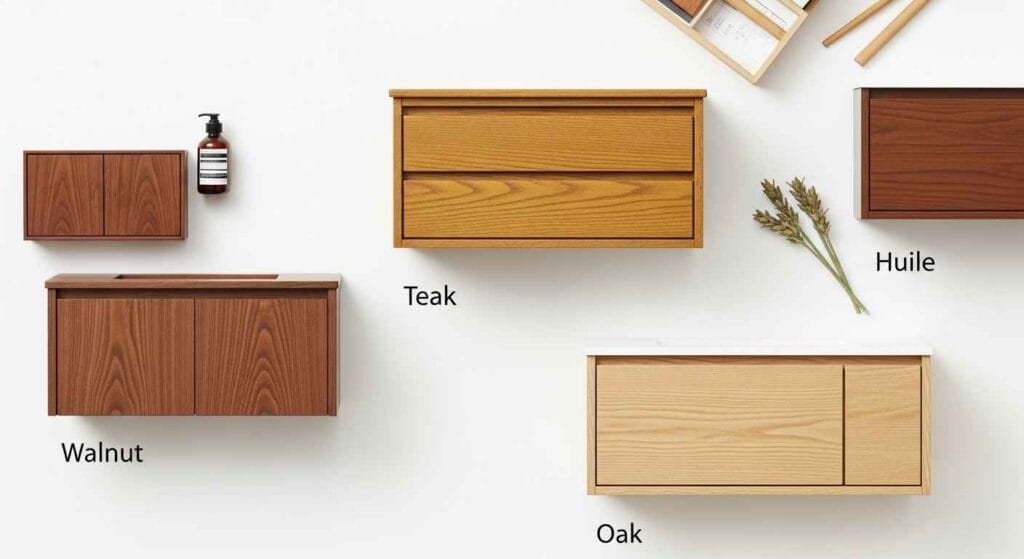
Another hallmark is the emphasis on natural materials, particularly wood. Think rich walnut, warm teak, versatile oak, or sometimes even mahogany. These woods are typically finished to highlight their natural grain rather than being painted over, contributing to that organic, warm feel.
I’ve seen some excellent reproductions that use high-quality laminates designed to mimic these natural wood tones, and they can be quite durable if sourced correctly. An authentic MCM vanity often features integrated handles or very minimalist hardware, ensuring the focus remains on the wood and the overall form.
The construction often showcases solid joinery and thoughtful craftsmanship, prioritizing stability and longevity. When I’m on a job site, I always advise clients to inspect the internal construction; a quality MCM piece, whether new or vintage, should feel robust and well-assembled, not flimsy.
Wood Tones for Your Mid Century Modern Vanity: Durability & Style
The choice of wood tone is absolutely critical for nailing that mid century modern aesthetic in your bathroom. Different woods lend different characters, and knowing which one suits your vision best is key.
From a practical standpoint, the bathroom environment presents unique challenges due to moisture and humidity, so wood type and its finish are crucial.
Walnut is, without a doubt, the quintessential mid century modern wood. Its rich, dark brown hues and distinctive grain patterns exude sophistication and warmth. A walnut vanity instantly brings a sense of classic MCM elegance to a space. On countless projects, I’ve seen how well it pairs with brass or matte black fixtures.
Then there’s teak, a superb choice for a bathroom. Teak is naturally water-resistant and incredibly durable, making it an excellent, albeit often pricier, option for vanities. Its golden-brown color develops a beautiful patina over time.
If you’re looking for a more accessible yet still authentic option, oak is a fantastic contender. White oak, with its lighter tone and prominent grain, offers a more Scandinavian-influenced MCM feel, while red oak brings a warmer, slightly reddish undertone. I’ve also worked with homeowners who appreciate the deep, luxurious feel of mahogany, which can offer a more dramatic MCM statement.
Regardless of the wood, insist on a water-resistant finish—a marine-grade sealant or a high-quality polyurethane will protect your investment from moisture damage, which is a common issue I find with less-than-ideal bathroom furniture.
Sleek Aesthetics: Incorporating Clean Lines and Minimalist Hardware
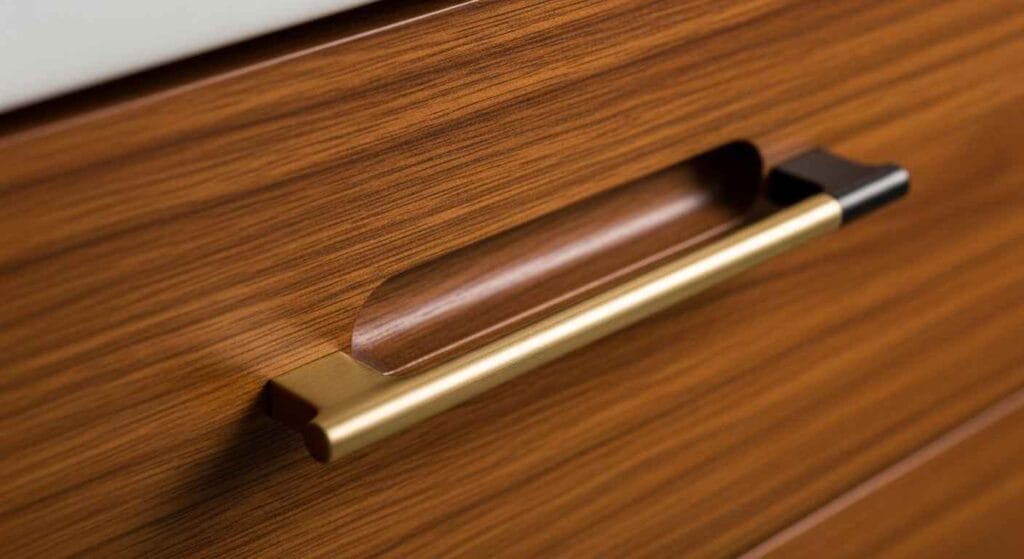
The beauty of mid century modern design lies in its understated elegance, and nowhere is this more evident than in its approach to hardware. For an MCM bathroom vanity, less is definitely more. The hardware isn’t meant to be a focal point; it’s there to complement the clean lines and natural materials, allowing the wood to truly shine. Think about it: a busy, ornate handle would instantly detract from the simplicity we’re aiming for.
When I’m advising clients, I always emphasize minimalist pulls or integrated finger pulls that are carved directly into the drawer fronts. If you’re going for external hardware, consider sleek, slender bar pulls in finishes like brushed brass, matte black, or polished chrome.
Brushed brass tends to add a touch of vintage warmth and luxury, while matte black provides a contemporary edge that still respects the MCM aesthetic. Polished chrome offers a classic, reflective surface that works well with a lighter wood tone or a more minimalist design.
What’s important is consistency. If you choose a brushed brass pull for your vanity, try to echo that finish in your faucet and other bathroom accessories. From a practical standpoint, make sure the hardware you choose is substantial and feels good in your hand. Flimsy hardware can cheapen even the most beautifully crafted vanity. It’s often a small detail, but it makes a big difference in daily use and overall perceived quality.
Blending Old and New: Pairing Mid Century Vanities with Modern Fixtures
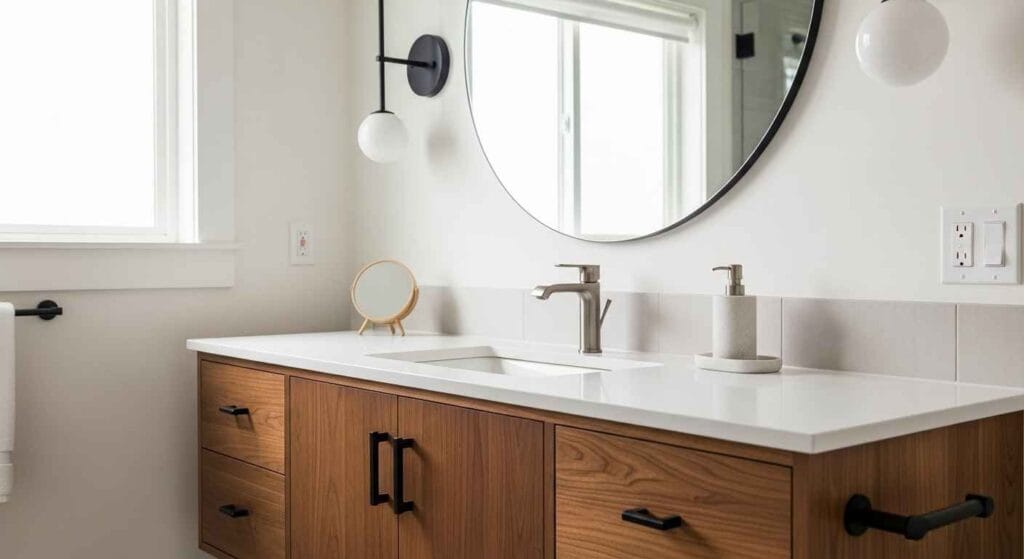
One of the most common questions I get is, “Can I really mix old and new without it looking like a hodgepodge?” The answer, especially with mid century modern, is a resounding yes. Blending a vintage-inspired MCM vanity with modern fixtures is an art form that can result in a truly dynamic and personalized bathroom. The key is finding balance and ensuring that the modern elements you choose enhance, rather than clash with, the timeless appeal of the mid century piece.
Start with your faucet selection. A sleek, single-handle faucet with a clean silhouette in a matte black or brushed nickel finish often complements an MCM vanity beautifully. Avoid anything overly ornate or traditional.
For the sink, consider an under-mount ceramic basin or a sleek vessel sink with a low profile. These choices maintain the clean lines and uncluttered countertop space that are central to MCM design.
Lighting is another opportunity to bridge eras. Think about geometric pendant lights or minimalist sconces with exposed bulbs or frosted glass globes. These echo the mid-century’s fascination with simple forms while offering modern illumination.
Don’t forget the mirror; a frameless mirror or one with a simple, thin metal frame (black or brass) will complete the look without overwhelming the vanity. On a recent project, we paired a solid walnut MCM vanity with a wall-mounted matte black waterfall faucet and a large, round frameless mirror. The result was a bathroom that felt contemporary, yet warm and deeply rooted in classic design. It’s all about creating visual harmony where both styles can breathe.
Sourcing Your Mid Century Modern Vanity: New Reproductions vs. Vintage Finds
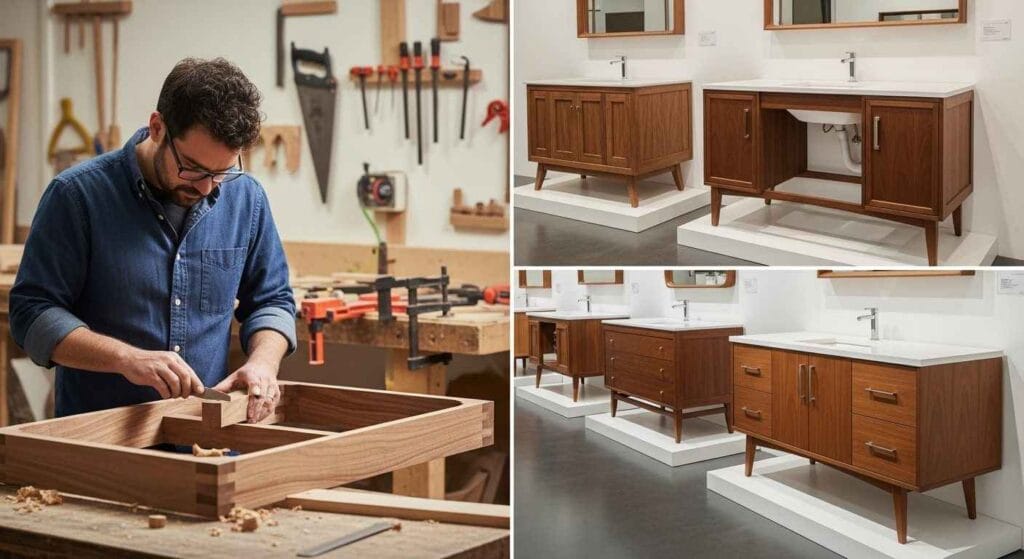
Finding the right mid century modern bathroom vanity can feel like a treasure hunt, but with a bit of guidance, you’ll be well on your way to securing a truly special piece. You essentially have two main avenues: new reproductions/inspired pieces or authentic vintage finds. Each has its merits and challenges, and I’ve worked with clients on both.
For new pieces, many reputable online retailers specialize in MCM-inspired furniture, often offering vanities made from high-quality woods like walnut and teak. These can be a fantastic option because they are typically built to modern plumbing standards, come with new warranties, and offer a consistent quality level.
You might also find custom cabinet makers or local artisan workshops who can craft a vanity to your exact specifications, ensuring both the MCM aesthetic and the robust construction I always recommend. This approach lets you select your preferred wood, finish, and dimensions, guaranteeing a perfect fit. When considering these options, always ask about the wood sourcing and the finish used; marine-grade finishes are ideal for bathroom longevity.
If you’re leaning towards an authentic vintage find, prepare for a more involved search. Antique shops, consignment stores, and online marketplaces often have gems, but you’ll need a keen eye.
The biggest challenge with vintage pieces is often their condition, especially regarding water damage or structural integrity. Always inspect the back and bottom for signs of moisture, rot, or warping. Check the drawers for smooth operation and the stability of the legs.
Sometimes, an older dresser or console can be expertly converted into a vanity, but this requires professional plumbing and carpentry work, which can add to the overall cost. In my experience, a slightly higher initial investment in a well-built new reproduction or a meticulously restored vintage piece pays dividends in terms of durability and peace of mind down the line. It’s about finding that balance between aesthetics, quality, and practicality for your home.